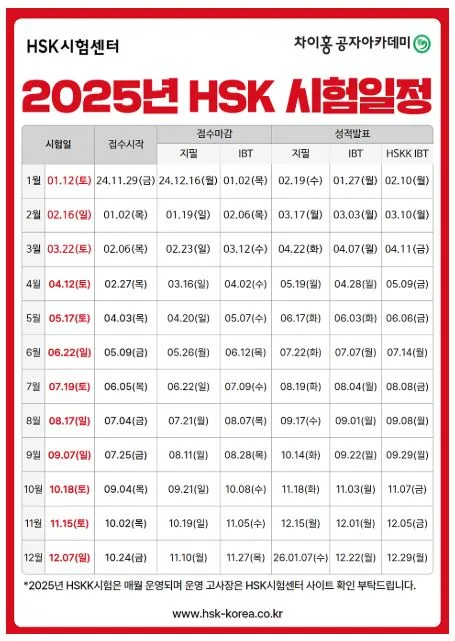
The HSK (Hanyu Shuiping Kaoshi) is the international standard for assessing Chinese language proficiency, with levels ranging from 1 to 6, and a newly introduced advanced tier from 7 to 9 for top-tier fluency. You can choose between IBT (computer-based), paper-based, or home-testing formats, with fees typically averaging around $40-$50 USD, varying by level.
What Are the HSK Test Levels and Their Characteristics?
The HSK exam is divided into two main categories: the general test from Level 1 to 6, and the advanced test from Level 7 to 9. Each level aligns with the Common European Framework of Reference for Languages (CEFR), with HSK Level 1 corresponding to A1 and HSK Level 6 to C2. HSK Level 1 focuses on basic vocabulary and conversation, Level 3 allows for basic communication in daily life and travel, Level 5 enables reading newspapers and magazines and fluent conversation, and Level 6 demands comprehension of complex information and fluent expression. The 7-9 levels assess high-level Chinese proficiency in academic research and specialized fields, evaluating listening, reading, writing, translation, and speaking comprehensively. These advanced levels are particularly aimed at graduate students, Chinese majors, and international exchange professionals.
How Do I Take the HSK Test and What Are the Costs?
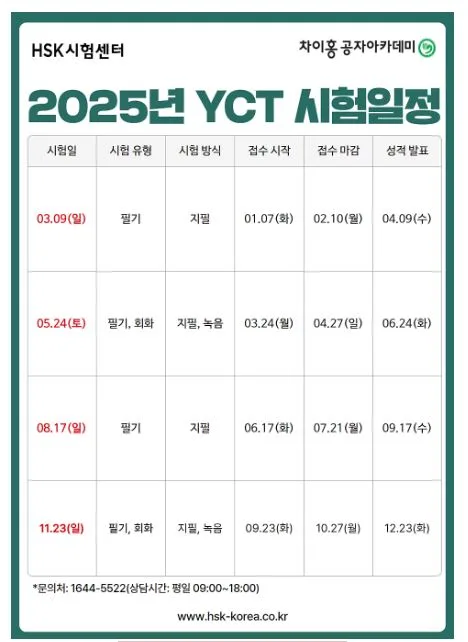
You can take the HSK test in three main ways: IBT (Internet-Based Test), which is computer-based at designated testing centers; paper-based, using traditional test papers and OMR sheets; and home-testing, conducted online from your personal computer. All three formats have the same validity for your score. HSK test fees vary by level, generally ranging from around $30 USD for Level 1, $50 USD for Level 6, and over $70 USD for Levels 7-9. For the most accurate fee information, always check the official announcements from the testing authority. The YCT (Youth Chinese Test) is designed for non-native Chinese speakers under 15 years old and has a simpler structure than the HSK.
What Should I Consider When Preparing for the HSK Test?
To effectively prepare for the HSK, it's crucial to accurately assess your current Chinese level and create a study plan tailored to your target score. Master the required vocabulary and grammar for each level, and consistently practice with mock exams in a simulated test environment. For HSK Levels 7-9, in-depth study across all five sections—listening, reading, writing, translation, and speaking—is essential, focusing on understanding specialized terminology and complex sentence structures. On test day, ensure you have all necessary items like your ID and admission ticket, and familiarize yourself with the test regulations to avoid any disadvantages. Don't miss the registration deadline; check it in advance.
What's the Difference Between the HSK and YCT Tests?
While both HSK (Hanyu Shuiping Kaoshi) and YCT (Youth Chinese Test) assess Chinese language ability, they differ in their target audience and objectives. HSK is for learners of all ages who are not native Chinese speakers, evaluating proficiency in daily life, study, and work. YCT, on the other hand, targets non-native Chinese-speaking youth under 15, aiming to foster interest in learning Chinese and assess basic communication skills. Consequently, YCT is less difficult than HSK and is suitable for beginners. HSK is graded from 1 to 9, while YCT is divided into elementary, intermediate, and comprehensive levels. If you aim for studying abroad in China or working in a Chinese-related field, obtaining an HSK certificate is generally more advantageous.
English crawl path
Next English reads from this pilot cluster
Continue through the category hub, latest English stories, and related posts so this translated article is not an isolated URL.
Tags
💬Frequently Asked Questions
What should I check first in HSK vs. YCT Chinese Tests 2026: Levels, Fees & Strategy?
Does this Language Learning article link back to the Korean source?
Where can I find similar English stories?
English discovery path
Explore more English K-culture stories
Keep browsing the indexed English pilot cluster so Google and readers can move between this story, the category hub, and fresh discovery pages.
Original Source
Read the Korean original





