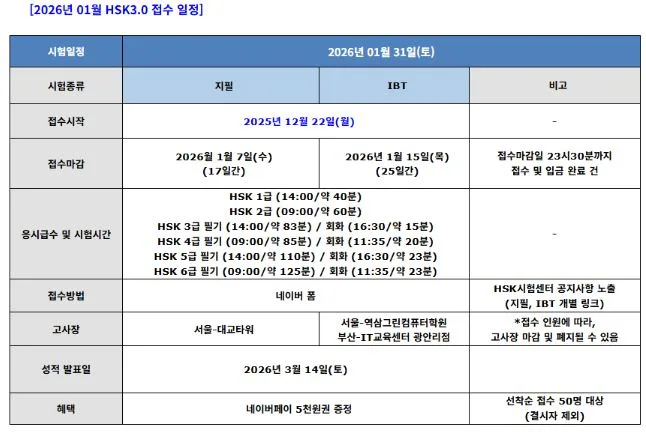
The HSK 3.0 exam, set for a phased rollout in 2026, introduces significant changes to Chinese proficiency testing, while the Korean TOPIK exam also sees its 2026 schedule anticipated. This guide breaks down the key updates for HSK 3.0, including its new structure and vocabulary requirements, and provides insights into the TOPIK test for Korean language learners.
What's New with HSK 3.0 in 2026?
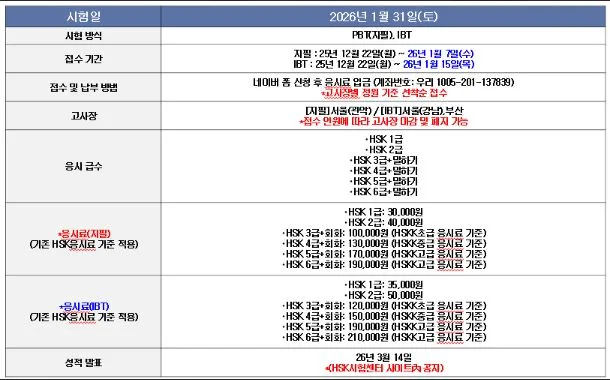
The HSK 3.0 is a major overhaul of the existing HSK 2.0 system, designed to align with international language standards like the CEFR (Common European Framework of Reference for Languages). A pilot test is scheduled for January 31, 2026, with full implementation beginning in July 2026. During this transition year, both HSK 2.0 and 3.0 will run concurrently, making it crucial for test-takers to verify which version they are registering for. A significant shift in HSK 3.0 is the enhanced focus on speaking and writing skills. For applicants taking Level 3 or higher, registration for the Speaking Test (HSKK) will be mandatory and integrated into the overall assessment, meaning written and spoken performance will be evaluated as a single unit. Advanced levels (Level 4 and above) will also include new sections assessing translation abilities, requiring candidates to translate between their native language and Chinese. While the early levels (1-4) will still emphasize character recognition, proficiency in writing characters will become increasingly important from Level 5 onwards.
HSK 3.0 Levels and Vocabulary Changes for 2026
Related Articles
To ease the learning curve, the HSK 3.0 revision adjusts vocabulary requirements across its expanded nine-level structure. The focus shifts to practical communication, with Level 1 requiring 300 cumulative words, Level 2 needing 500, and Level 3 demanding 1,000 cumulative words. These figures represent an increase from the HSK 2.0 system. Intermediate levels (Levels 4-6) target academic and professional use, with Level 4 requiring 2,000 cumulative words and Level 5 needing 3,000. The advanced band (Levels 7-9) is assessed in a single exam, requiring a substantial 11,000 cumulative words for mastery, catering to specialized and academic domains. Notably, Level 6 maintains its existing requirement of 5,456 words. The advanced levels will award a specific grade based on the score achieved.
2026 Korean Language Proficiency Test (TOPIK) Schedule & Prep
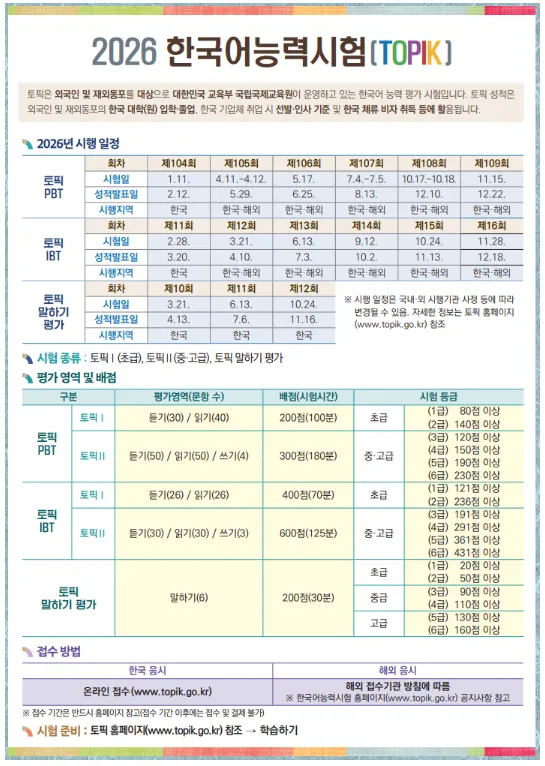
While the official schedule for the 2026 Korean Language Proficiency Test (TOPIK) has not yet been released, it is typically administered six times a year, usually in April, May, October, and November. TOPIK is the standard for assessing Korean language ability for non-native speakers and is crucial for academic and career pursuits in Korea. Similar to HSK, TOPIK may introduce changes to its format or question types, so staying updated with the latest information from the official TOPIK website is essential. The test comprises listening, reading, and writing sections, each with distinct vocabulary and grammar expectations. For effective preparation, setting clear target score goals and developing a study plan accordingly is recommended. Practicing with past exam papers is highly beneficial for building test-taking stamina and familiarity with the question styles. Mastering TOPIK can open doors to Korean universities, employment opportunities, and cultural immersion.
Key Considerations for the HSK 3.0 Overhaul
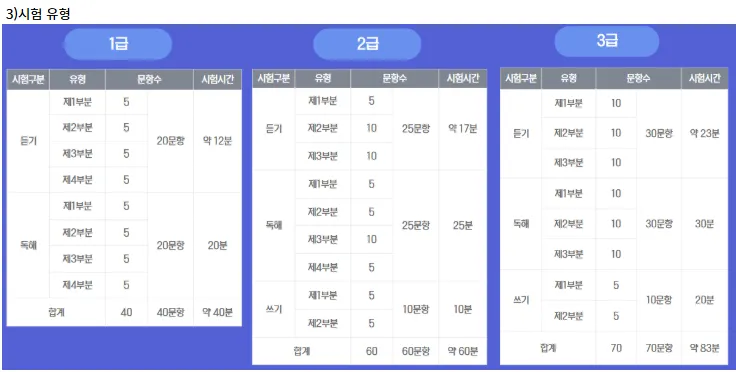
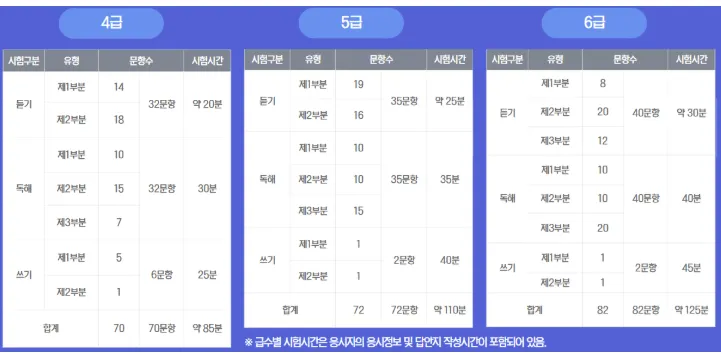
When preparing for the HSK 3.0 in 2026, keep these critical points in mind. Firstly, remember that 2026 is a transitional year where both HSK 2.0 and 3.0 will be available. Always double-check the exam version during registration to avoid confusion. Secondly, the increased emphasis on speaking and writing means you'll need to dedicate more study time to these areas, especially if you're aiming for Level 3 or higher. Familiarize yourself with the integrated assessment format for these sections. Finally, if you're targeting advanced levels (Level 4+), understand the new translation-focused questions and ensure your bilingual skills are sharp. For those focusing on character proficiency, remember that writing characters becomes a more significant component from Level 5 upwards.





