
Did you know there are more ways to express 'fluttering' in English than just 'excited'? In 2026, mastering the right English phrases for nuanced emotions will help you communicate more naturally. Understanding the subtle differences between excitement, a racing heart, and eager anticipation is key to sounding like a native speaker.
What's the most basic way to say 'fluttering' in English?
The most common and versatile English expression for 'fluttering' or excitement is 'excited.' This word works well for a wide range of situations, from anticipating a fun event to feeling generally enthusiastic. For instance, if you're looking forward to seeing a friend, you can say, 'I’m excited to see you.' When expressing anticipation for a trip, you might say, 'She’s excited about her trip.' For an upcoming special event, 'I’m so excited for tomorrow!' is a perfect fit. 'Excited' is a go-to word for everyday conversations, making it easy for learners to adopt and use effectively.
How do you express a fluttering heart in English?
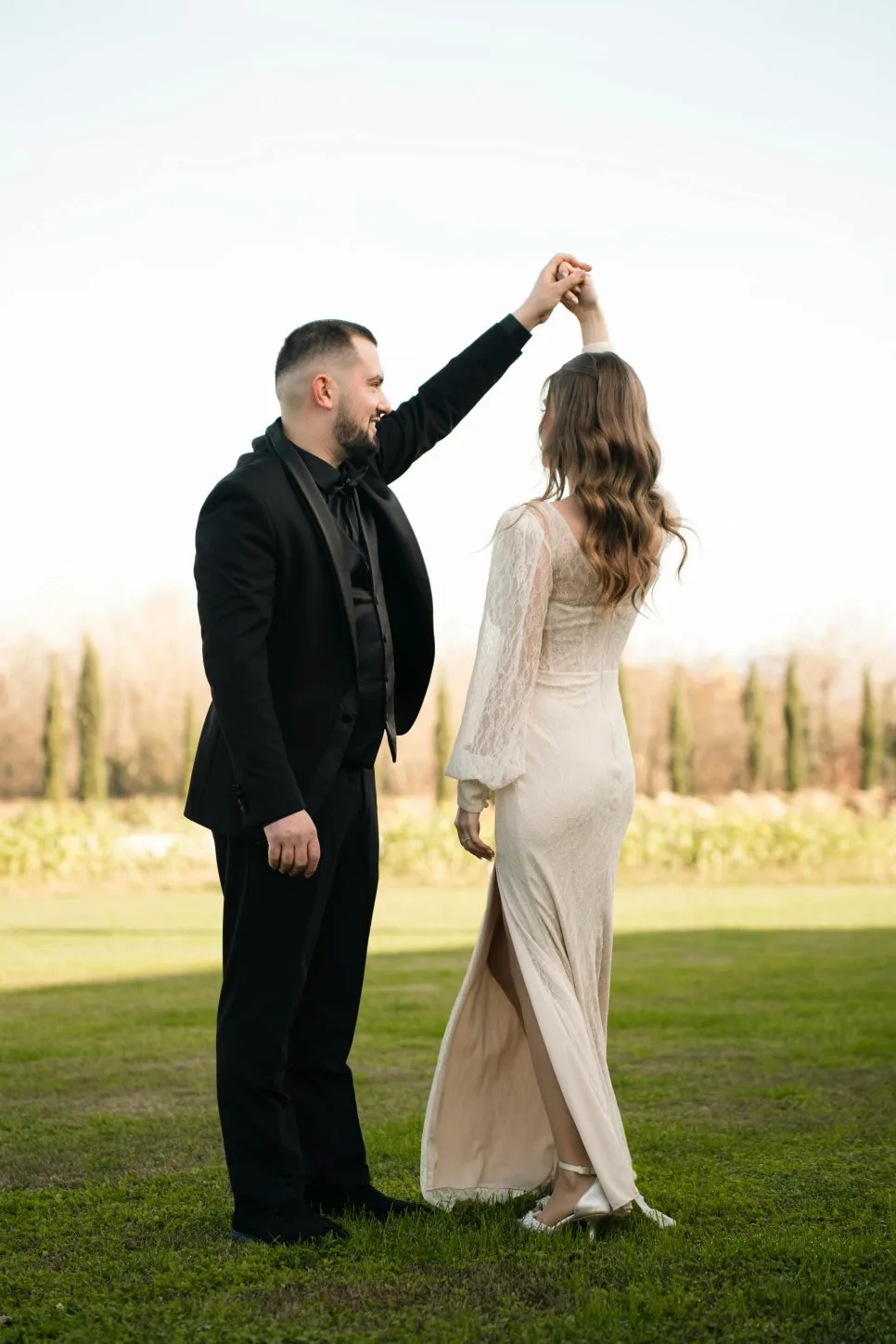
For a more emotional and specific kind of fluttering, especially when it's caused by someone, the phrases 'My heart is fluttering' or simply 'fluttering' are ideal. These expressions capture the delicate sensation of your heart beating lightly, much like butterflies fluttering. For example, if you felt a spark of attraction upon first seeing someone, you could say, 'I felt fluttering when I saw him.' Similarly, a message from a crush might elicit the response, 'Her message made my heart flutter.' This phrasing is particularly effective in romantic or deeply emotional contexts.
What English phrase expresses excitement for future events?
When you're eagerly anticipating a future event or situation, the phrase 'Looking forward to ~' is your best bet. This structure is highly versatile, suitable for both casual conversations and more formal business settings. For example, to express your anticipation for an upcoming meeting, you can say, 'I’m looking forward to meeting you.' If you're excited about the weekend or a vacation, you might say, 'She’s looking forward to the weekend.' For strong anticipation, adding an intensifier works well: 'I’m really looking forward to it.' This phrase conveys hope and positive expectation for what's to come.
What are common mistakes when expressing 'fluttering' in English?
A frequent mistake among English learners is relying solely on 'excited' for all types of 'fluttering' emotions. While 'excited' is useful, it can sometimes sound too general and miss the subtle nuances of specific feelings. For instance, using 'excited' to describe romantic butterflies or a racing heart might sound a bit flat or less impactful. It's important to use phrases like 'my heart is fluttering' for those specific romantic or deeply emotional moments to convey the feeling more accurately and vividly.
For more details, check the original source below.





