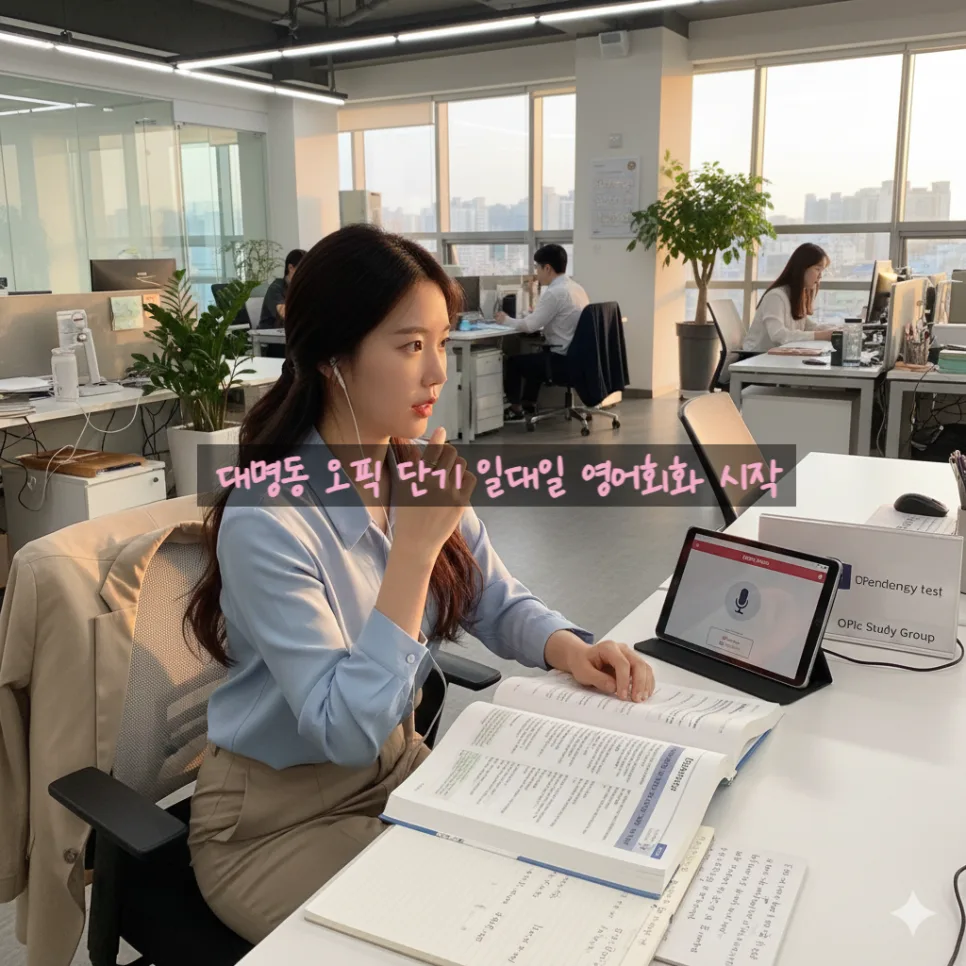
To achieve a high OPIc score quickly, especially for beginners aiming for IH or higher, a tailored study strategy is essential. This guide reveals proven methods based on real learner success, focusing on efficient techniques to conquer the OPIc exam in 2026.
What's the Secret to a High OPIc Score in 2026?
Many learners find themselves stuck at the IM level on the OPIc. However, success stories show that achieving an IH rating in a short period is possible with the right approach. One student, initially struggling with listening comprehension and speaking errors, improved their fluency by intensely listening to mock exam audio and receiving immediate feedback on mistakes in the three days leading up to their test. Crucially, instead of memorizing entire scripts, they focused on structuring answers based on personal experiences and practicing natural, pattern-based responses. This adaptability to unexpected questions, combined with a personalized strategy, led to achieving their target score. This case highlights that understanding structured templates and personalizing answers is far more effective for rapid OPIc improvement than rote memorization.
Why Do OPIc Scores Stall with Self-Study?
The primary reason for hitting a plateau when studying OPIc alone is a heavy reliance on memorizing scripts. This method has significant drawbacks in a real test scenario. Firstly, it's unlikely that the exact scripts you memorize will appear on the exam. Secondly, speaking memorized sentences can sound unnatural, negatively impacting your fluency score. Thirdly, you'll struggle to answer unexpected, '돌발' (dolbal - surprise) questions that deviate from your prepared material. The OPIc assesses natural speech flow and coherence, not just correct answers, making a script-heavy approach insufficient for high scores.
What Makes 1:1 OPIc Coaching Effective for Beginners?
For learners in the US aiming to quickly reach their OPIc target score, personalized 1:1 coaching offers distinct advantages. It allows for rapid identification of individual weaknesses, tailored lesson difficulty to match your level, and immediate feedback on pronunciation and expression. This customized approach maximizes learning efficiency within a focused roadmap, making it ideal for beginners. Instead of just practicing problems, sessions focus on co-designing answer frameworks based on your own experiences and refining them into natural-sounding speech. This personalized method is key to achieving significant progress in a short timeframe.
Custom Scripting and Pattern Learning for Efficiency
Generic textbook scripts can sound unnatural during the OPIc. Therefore, 1:1 coaching involves interviewing you to understand your experiences, selecting relevant topics, and structuring answers based on the 'who, what, when, where, why, how' framework. These answers are then refined into smooth sentences that match your speaking style, followed by pronunciation and intonation practice. While the OPIc covers thousands of questions, mastering a few core patterns allows you to handle most topics effectively. Pattern-based learning enables you to construct answers even for surprise questions, maintain consistent response length, and use natural transition phrases, reducing memorization needs by over 70% and allowing for quick review before the exam.
The Importance of Pronunciation, Intonation, and Expert Feedback
To achieve high OPIc scores like IH or AL, accurate pronunciation, natural intonation, and appropriate rhythm are crucial. Even with simple vocabulary, a natural speaking flow can significantly boost your score. Clear pronunciation enhances comprehension, reduces listener fatigue, and helps convert direct, Korean-influenced translations into natural-sounding English. Correcting these aspects is challenging to do alone, making expert coaching from instructors specializing in English pronunciation and intonation vital. These instructors provide feedback tailored to your speaking habits, adjust difficulty, and offer guidance on how to maximize your study time outside of sessions.
Flexible Online/In-Person Options and Short-Term Roadmaps
Recognizing that many US learners have busy schedules with university or work, flexible learning options are available. You can combine in-person and online (video call) sessions, with classes typically running from 9 AM to 10 PM to accommodate various commitments. For those wanting to complete the OPIc quickly, a typical short-term roadmap includes: identifying topics and organizing experiences in the first 1-2 sessions, followed by custom script development, pattern practice, pronunciation/intonation refinement, and finally, mock exams. The pace and methods can be adjusted based on your individual needs, so consulting with an expert is recommended to create the optimal study plan.
For more details, check the original source below.