Learning Korean effectively involves a structured approach, focusing on consistent practice and realistic expectations. While fluency takes time, understanding the learning curve, especially the initial plateau, is key. Many learners find that after 1-2 years of dedicated study, their Korean language skills significantly improve, making the effort worthwhile for those aiming for conversational ability.
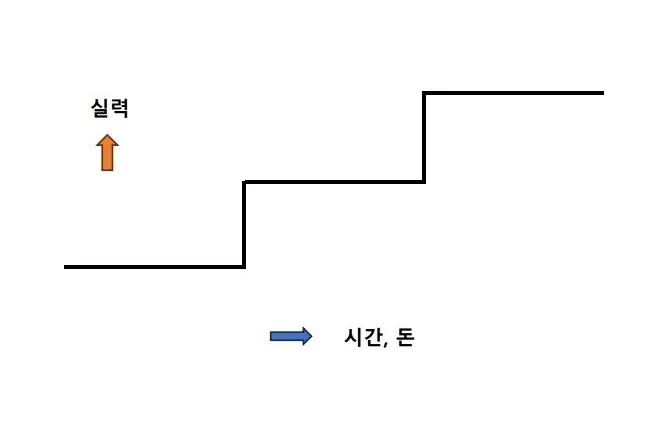
Why Does Korean Language Learning Feel Like a Staircase?
Korean language acquisition often feels like climbing stairs – slow progress initially, followed by sudden leaps. This is because your brain is actively absorbing new language patterns and automating them. The initial phase, where progress seems minimal, is crucial. Many learners get discouraged and quit here, but pushing through this first plateau is essential for advancement. Based on extensive learner data, reaching the next level typically requires at least 1-2 years of consistent effort. Think of it like learning to swim or play an instrument; initial practice yields slow results, but persistent effort leads to noticeable improvement. This gradual, then exponential, growth is a natural part of mastering any new language.
What's a Realistic Timeline for Korean Fluency?
Advancing to a more proficient level in Korean, beyond the beginner stages, can take around 3-5 years of dedicated study. Looking at learner progress, very few consistently study for two years or more. Most learners tend to complete their initial learning phase within 3 to 6 months. For absolute beginners, 3 months is often a realistic timeframe for foundational learning. Those with specific goals, like business or travel, often maintain consistent study habits for longer periods. Even as a hobby, aiming for at least two years of consistent learning is crucial for experiencing tangible improvements in your Korean language skills. It’s vital to approach learning with a commitment to consistency and quality, rather than just contemplating whether to start.
How to Stay Motivated While Learning Korean
Maintaining consistency in Korean language learning hinges on setting clear goals and managing expectations. Many anticipate rapid fluency, but language acquisition is a long-term endeavor. Celebrate small victories during the initial slow-growth phase, such as using newly learned vocabulary or understanding a short Korean clip. Forming study groups or finding language exchange partners can also provide mutual motivation and make the learning process more enjoyable. For instance, one of my students achieved proficiency in writing basic business emails after six months of consistent study. Setting and achieving such specific milestones can be a powerful motivator.
Common Mistakes to Avoid When Learning Korean
A prevalent pitfall for Korean language learners is perfectionism, leading to hesitation in speaking due to fear of making mistakes. However, errors are a natural and valuable part of the learning process. Instead of striving for flawlessness, embrace mistakes as learning opportunities. Another common error is sticking to a single learning method without diversification. Exploring various resources like Talk To Me In Korean (TTMIK), Duolingo, or language exchange apps can cater to different learning styles and keep the process engaging. Finally, a lack of consistency is perhaps the most significant barrier. Many learners start with enthusiasm but struggle to maintain their study schedule over time. It’s crucial to find a sustainable routine that fits your lifestyle and to consistently engage with the language, even if it’s just for a short period each day.
For more details, check the original source below.





