
Ready to conquer your fear of speaking Korean? This guide breaks down how to learn Korean fast, from mastering Hangul in days to achieving conversational fluency within a year. Discover effective strategies, free resources, and how K-dramas and K-pop can accelerate your journey to speaking Korean confidently.
How long does it take to learn Korean for beginners?
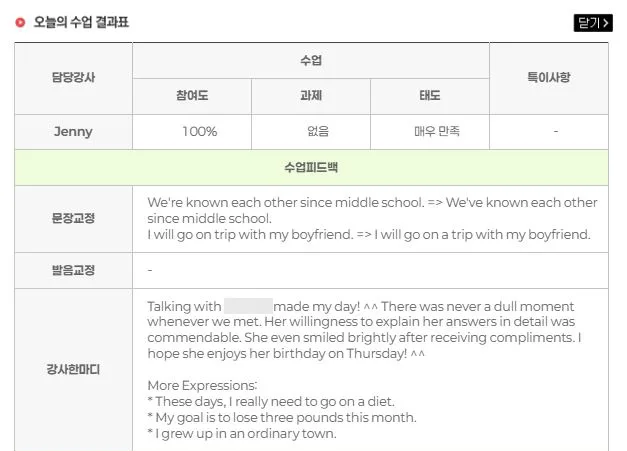
Learning Korean can be surprisingly fast for English speakers, especially with the right approach. Most learners can master Hangul, the Korean alphabet, in just 3-7 days. Basic conversational phrases can be picked up within a month of consistent study. Achieving conversational fluency, where you can comfortably discuss everyday topics, typically takes 6-12 months of dedicated practice. This timeline is significantly influenced by your study habits, immersion opportunities, and the learning methods you employ. For instance, integrating Korean media like K-dramas or K-pop songs into your study routine can make the process more engaging and effective, helping you internalize grammar and vocabulary naturally.
What are the best free resources to learn Korean?
Fortunately, there are excellent free resources available for learning Korean that cater to various learning styles. Talk To Me In Korean (TTMIK) offers a comprehensive curriculum with free audio lessons and PDFs covering grammar from beginner to advanced levels. Duolingo provides a gamified approach to vocabulary and basic sentence structure, making daily practice fun and accessible. For vocabulary building and spaced repetition, Anki flashcards are invaluable for memorizing new words and phrases. YouTube channels dedicated to Korean language learning also offer free tutorials on grammar, pronunciation, and cultural insights. Combining these resources allows for a well-rounded learning experience without any financial commitment.
How can K-dramas and K-pop help you learn Korean?
K-dramas and K-pop are powerful, engaging tools for accelerating Korean language acquisition for US learners. Watching K-dramas provides exposure to natural conversational Korean, including common phrases, slang, and cultural nuances, in context. Subtitles can be used initially, gradually transitioning to Korean subtitles or no subtitles as your comprehension improves. K-pop songs, with their catchy melodies and repetitive lyrics, are excellent for memorizing vocabulary and practicing pronunciation. Many fans also engage with idol content on platforms like Weverse or YouTube, which can offer insights into Korean culture and everyday language. This immersion through entertainment not only makes learning enjoyable but also builds a strong foundation in listening comprehension and cultural understanding.
What are common challenges for English speakers learning Korean?
While Korean is considered relatively accessible for English speakers due to its logical alphabet (Hangul), several challenges can arise. The grammar structure, SOV (Subject-Object-Verb), differs significantly from English's SVO (Subject-Verb-Object), requiring a mental shift. Korean also features an extensive honorific system, where speech patterns change based on the age and social status of the person you're addressing, which can be complex to master. Pronunciation can also be tricky, with certain vowel and consonant sounds not present in English. Overcoming the fear of making mistakes, often referred to as 'English speaking phobia' in Korean culture, is crucial. Embracing a 'it's okay to be wrong' mindset, as emphasized in Korean language learning circles, is key to consistent practice and improvement.
For more details on your Korean learning journey, check the original source below.





