
Learning Korean in 2026 is more accessible than ever, with resources like Talk To Me In Korean (TTMIK) and Duolingo making it possible to achieve conversational fluency within 6-12 months. The journey typically starts with mastering Hangul, the Korean alphabet, in about a week, followed by basic phrases in a month, and then progressing to conversational skills. Many US learners are motivated by K-dramas and K-pop, using these interests to fuel their study of the Korean language.
What is the Korean language and why is it popular in the US?
The Korean language, spoken by over 80 million people worldwide, is gaining significant traction in the United States. Its popularity is largely driven by the Hallyu, or Korean Wave, encompassing K-dramas, K-pop, and Korean cinema. US audiences are increasingly drawn to the unique linguistic structures and the cultural richness embedded within the language. For instance, understanding Korean honorifics offers a deeper insight into the hierarchical social structures prevalent in Korean culture. Many learners find that engaging with their favorite K-pop lyrics or K-drama dialogues provides an immersive and enjoyable way to practice, making the learning process feel less like a chore and more like a hobby. This cultural connection is a powerful motivator for consistent study.
How can beginners start learning Korean effectively?
For beginners aiming to learn Korean, the first step is mastering Hangul (한글), the Korean alphabet. It's phonetic and relatively easy to learn, often taking just a few days to a week. Resources like Duolingo, Memrise, and dedicated websites like Talk To Me In Korean (TTMIK) offer structured lessons for free or at a low cost. TTMIK, in particular, provides a clear learning path, starting with foundational grammar and vocabulary. Many learners also benefit from flashcard apps like Anki for spaced repetition of vocabulary. Integrating Korean media, such as K-dramas or K-pop music, into your study routine can make learning more engaging. Try listening to Korean songs and looking up the lyrics, or watching K-dramas with Korean subtitles to connect what you're learning with real-world usage.
What are the key milestones in learning Korean for conversational fluency?
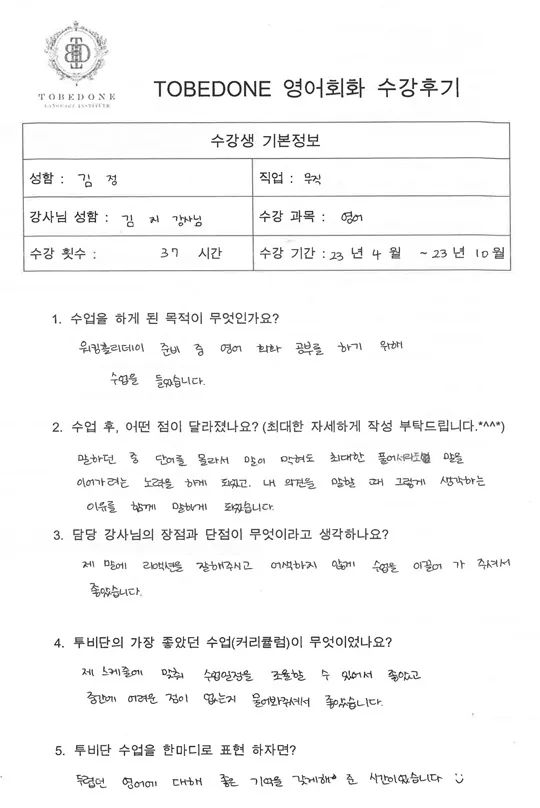
Achieving conversational fluency in Korean involves several key milestones. Within the first month, learners typically aim to grasp basic phrases for daily interactions, such as greetings, introductions, and simple questions. By week four, a common feedback point for learners is the challenge of moving beyond textbook phrases to real-life conversations, often due to a lack of practical experience. As learners progress to weeks two through four, the focus shifts to understanding and using native expressions, grasping the nuances of meaning and context. By the fifth week, a significant improvement is often observed, with learners demonstrating the ability to think in diverse ways and articulate their thoughts more clearly. This progression highlights the importance of consistent practice and exposure to authentic language use.
What is the TOPIK test and how can I prepare for it?
The Test of Proficiency in Korean (TOPIK) is the standardized test for assessing Korean language proficiency, primarily for non-native speakers. It's crucial for those seeking to study at a Korean university, work in Korea, or obtain Korean citizenship. TOPIK has two levels: TOPIK I (beginner) and TOPIK II (intermediate to advanced), each with different scoring scales. Preparation involves consistent study of grammar, vocabulary, and listening comprehension. Many learners find that using resources like TTMIK's TOPIK preparation courses, official TOPIK study guides, and practice tests is highly effective. Focusing on understanding the context and nuances of language, rather than just memorizing words, is key to success, especially for the essay writing section in TOPIK II.
For more details, check the original source below.





