
Ready to master the Korean language in 2026? For US learners, the fastest path involves mastering Hangul (the Korean alphabet) in under a week, followed by basic phrases within a month, and conversational fluency in 6-12 months. Utilize free resources like Talk To Me In Korean (TTMIK), Duolingo, and Anki flashcards, and leverage K-dramas and K-pop to accelerate your learning journey.
What are the best ways to learn Korean for beginners in 2026?
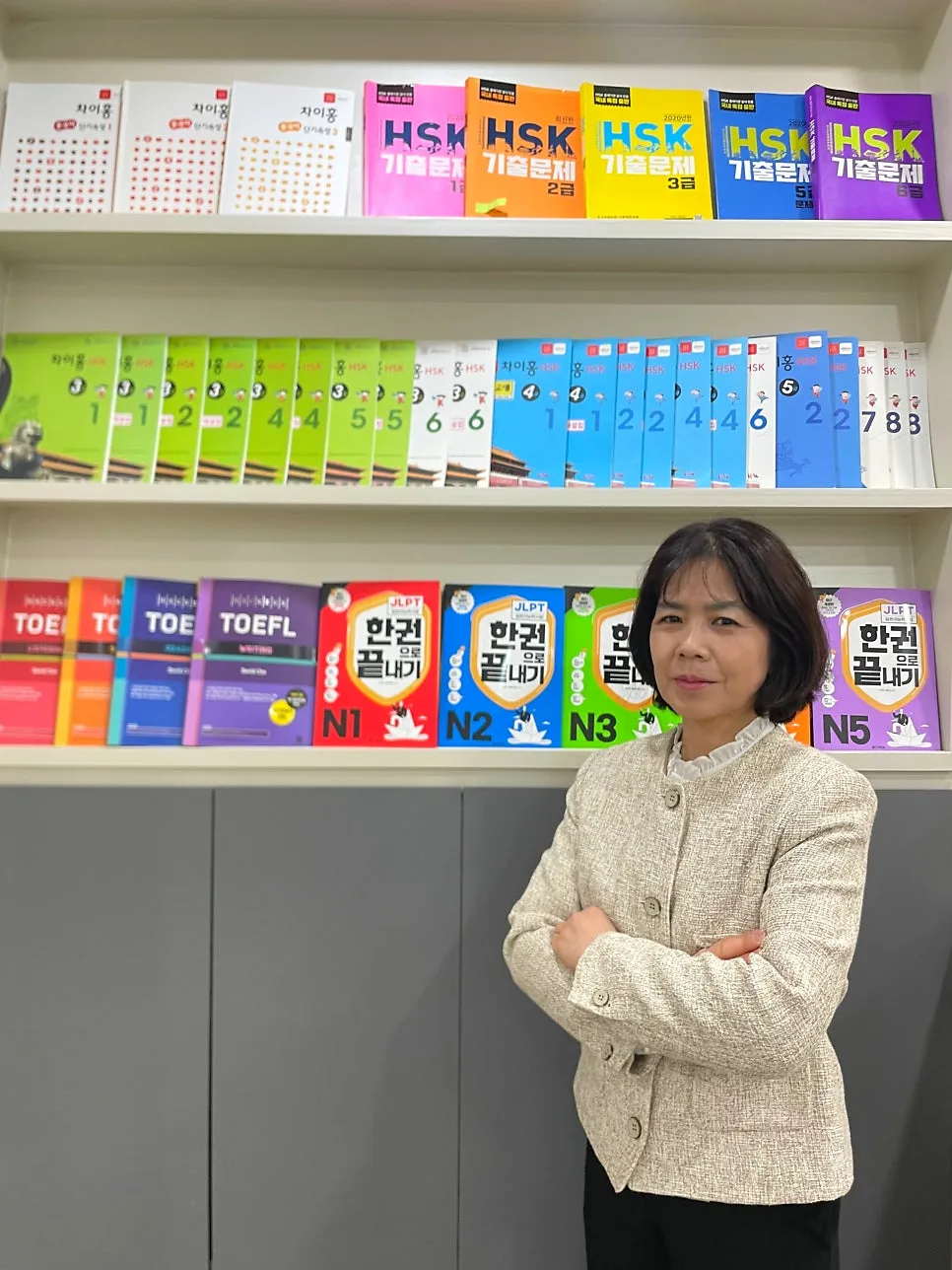
Learning Korean offers a gateway to understanding K-dramas, K-pop, and Korean culture on a deeper level. For US beginners, the journey typically starts with Hangul, the phonetic Korean alphabet, which can be learned in about 3-7 days. Many find resources like Talk To Me In Korean (TTMIK) or Duolingo incredibly helpful for this initial stage. After mastering Hangul, the focus shifts to basic phrases and grammar, often achievable within a month. The key is consistent practice; using flashcard apps like Anki can significantly boost vocabulary retention. Fans of Korean media often find success by watching K-dramas or listening to K-pop with Korean subtitles, actively picking up new words and sentence structures. This immersive approach, combined with structured lessons, is crucial for building a solid foundation and progressing towards conversational fluency within 6-12 months.
What are the key stages of learning Korean?
The Korean language learning path for US students is generally structured into distinct stages, ensuring steady progress. First, mastering Hangul (the Korean alphabet) is paramount, typically taking 3-7 days. This phonetic system is remarkably logical and easier to learn than many realize. Following Hangul, learners move to basic conversational phrases and grammar, aiming for a foundational understanding within the first month. This stage often involves learning common greetings, essential verbs, and sentence structures. As learners advance, they tackle intermediate concepts, including more complex grammar, vocabulary for daily life, and understanding nuances in speech. Many learners aim for the TOPIK (Test of Proficiency in Korean) exam, with preparation courses available to help achieve specific score levels. Advanced learners focus on nuanced expression, formal/informal speech, and cultural context, ultimately aiming for fluency that allows for natural conversation and comprehension of native Korean media.
How important is a dedicated learning space for Korean studies?
Creating a dedicated learning space is crucial for maximizing your Korean language study efficiency, especially for US-based learners. A quiet, distraction-free environment allows for deeper concentration, which is essential when tackling new grammar rules or memorizing vocabulary. Think of it like setting up a home office for work – a designated area signals to your brain that it's time to focus. This could be a quiet corner of your room, a library study carrel, or even a specific café during off-peak hours. For those using online resources like TTMIK or Duolingo, having a stable internet connection and a comfortable setup in this space enhances the learning experience. Some Korean language schools also offer dedicated study areas for students, fostering a sense of community and shared purpose. This focused environment is key to consistent progress, helping you move from beginner to conversational fluency more effectively.
What additional benefits and support are available for Korean learners?
Beyond core lessons, many Korean language programs and resources offer valuable supplementary benefits. For US learners, this might include access to online tutoring sessions for personalized feedback on pronunciation and grammar, or virtual study groups that connect you with fellow learners. Some institutions also provide guidance on preparing for the TOPIK exam, offering practice tests and strategic advice to help you achieve your target score. Furthermore, understanding Korean culture is integral to language mastery; therefore, some programs incorporate cultural insights, such as explaining the etiquette surrounding honorifics or the context behind common Korean idioms found in K-dramas. While not directly related to language learning, some Korean cultural centers or language schools might also offer connections to local Korean communities or events, providing opportunities for real-world practice.
For more details, check the original source below.





