Preparing for an exchange student interview? Mastering 1-on-1 English speaking practice is key to overcoming speaking anxiety and boosting your confidence. Beyond just lessons, real conversation practice with personalized feedback is essential for building the fluency needed for interviews and academic success abroad. This guide will show you how to diagnose your weaknesses and prepare effectively.
Why is 1-on-1 English Conversation Crucial for Exchange Student Interviews?
Many students feel confident with their written English scores but freeze up when asked to speak. For exchange programs, strong conversational English isn't just for interviews; it's vital for daily life and academic participation. Relying solely on online courses or textbooks often falls short for developing practical speaking skills. This is where 1-on-1 English conversation classes shine. By engaging in realistic dialogue practice, you can pinpoint and improve your weak spots, significantly boosting your confidence for any interview situation. This personalized approach helps you sound more natural and prepared, making a strong first impression.
How to Accurately Assess Your English Skills with an 'English Body Check-up'
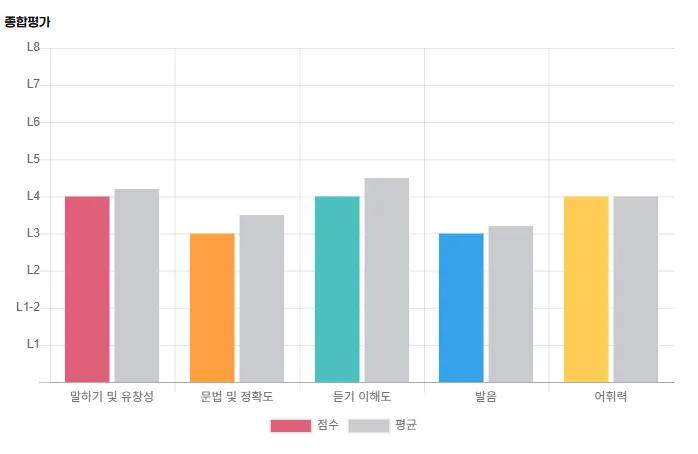
Before diving into intensive practice, an 'English Body Check-up' test is invaluable for understanding your current proficiency. This isn't just about a score; it provides a detailed analysis of your pronunciation, intonation, grammar, and vocabulary. Identifying these specific strengths and weaknesses allows you to set clear, achievable learning goals. For instance, if you struggle with specific sounds or frequently misuse certain sentence structures, you can focus your efforts there. This diagnostic approach ensures your study time is spent effectively, targeting areas that need the most improvement for your exchange program interview.
What are the Benefits of 1-on-1 English Conversation Classes for Fluency?
The primary advantage of 1-on-1 English conversation classes is the personalized feedback you receive after each session. Instructors don't just praise what you did well; they highlight areas needing further practice and provide specific corrections on common mistakes in grammar and pronunciation. This targeted feedback loop is crucial for rapid improvement. For example, if you consistently make errors with verb tenses or struggle with a particular vowel sound, your tutor can provide tailored exercises and explanations. This focused attention helps solidify correct usage and build confidence in your spoken English.
How to Systematically Manage Your English Study Plan
To ensure consistent progress, creating a structured study plan is essential. Utilizing a scheduler or planner, often provided by language learning centers, helps you map out review sessions and allocate time effectively. This involves setting clear daily or weekly goals for practice and revision. For example, you might dedicate 15 minutes each day to reviewing vocabulary, practice specific grammar points, or rehearse common interview questions. By consistently following your schedule and prioritizing tasks, you can manage your learning journey efficiently and stay on track to achieve your fluency goals for your exchange program.
For more details, check the original source below.