For creators preparing to submit to international film festivals in 2026 and engage in Q&A sessions, mastering practical English conversation skills is essential. To effectively convey your film's artistic vision and foster smooth communication with audiences, personalized English learning is key. Focusing on expressions you'll actually use is the most effective approach.
What English Skills Are Needed for Film Festival Q&As?
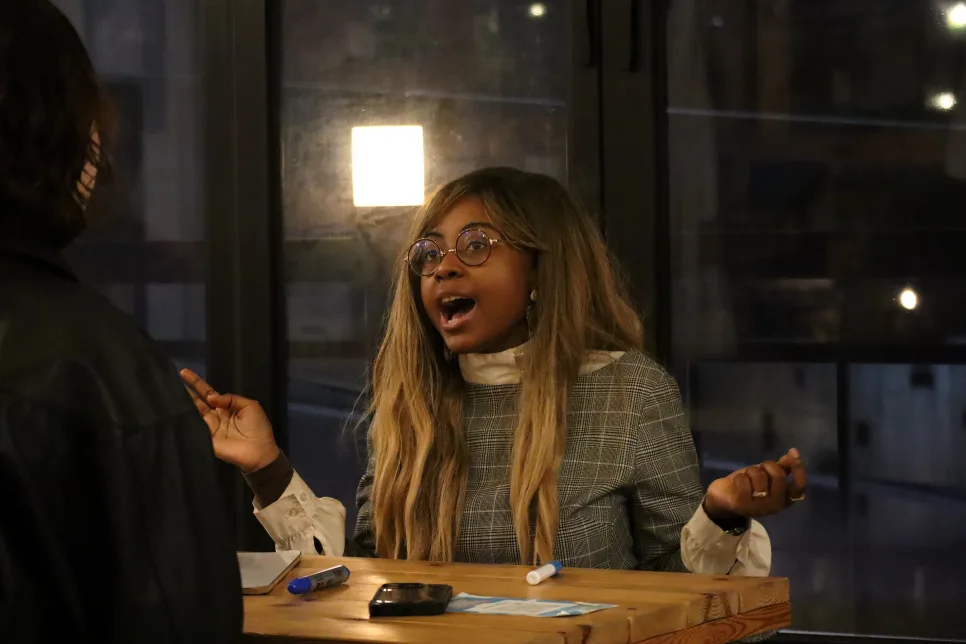
Q&A sessions following film screenings at international festivals are crucial opportunities for creators to directly communicate their message. This requires more than just general English proficiency; you need the ability to clearly and persuasely explain your creative intent, the film's background, and the source of your inspiration. For instance, when answering questions about a specific scene or character, you should be able to articulate the directorial intent or the character's psychological state in detail. Practicing calm and flexible responses to a variety of audience questions is also vital. Real-world experience shows that this kind of practical, scenario-based English learning boosts confidence and helps creators handle unexpected questions with ease.
How to Start Personalized English Learning?
Related Articles
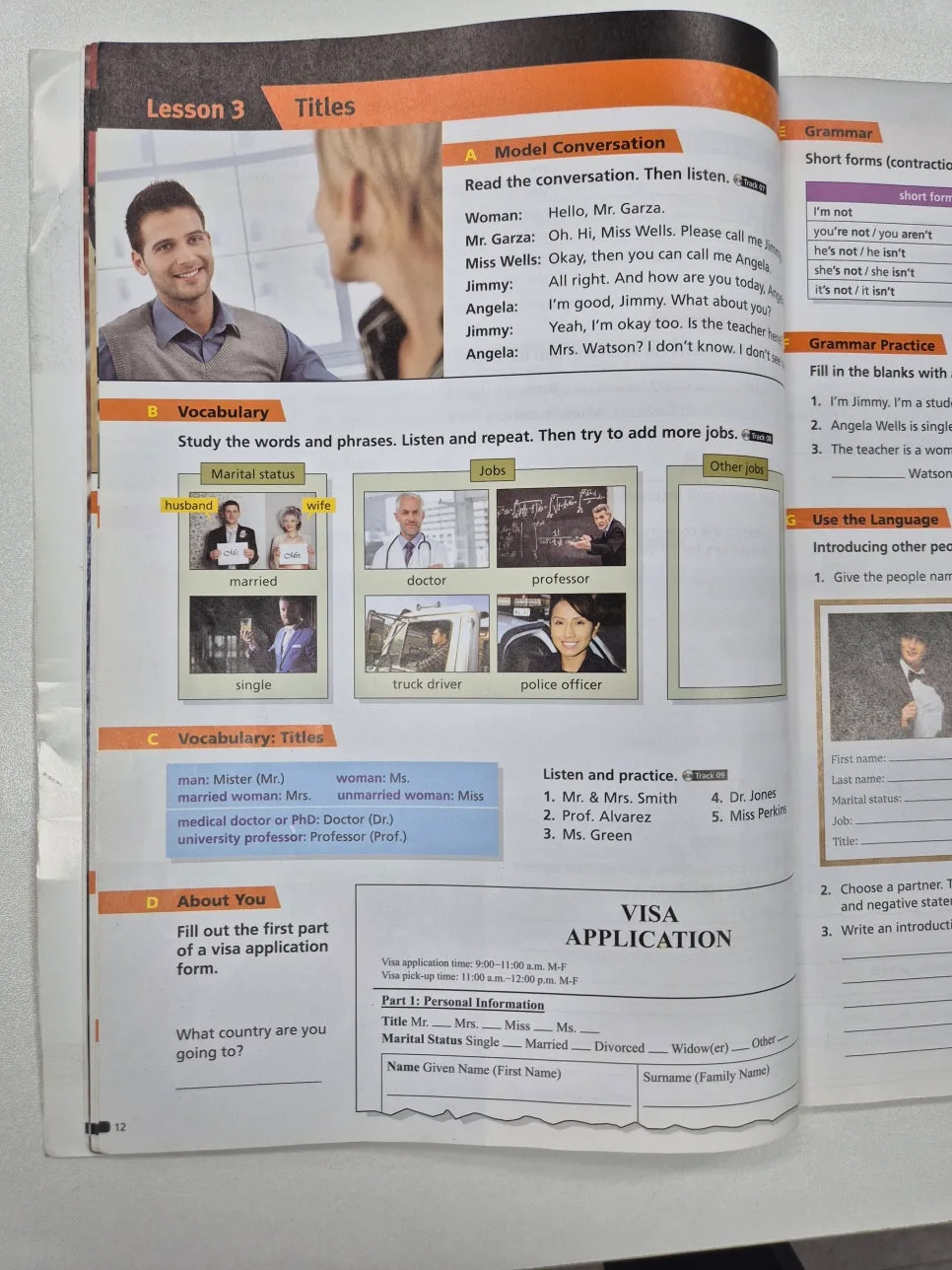
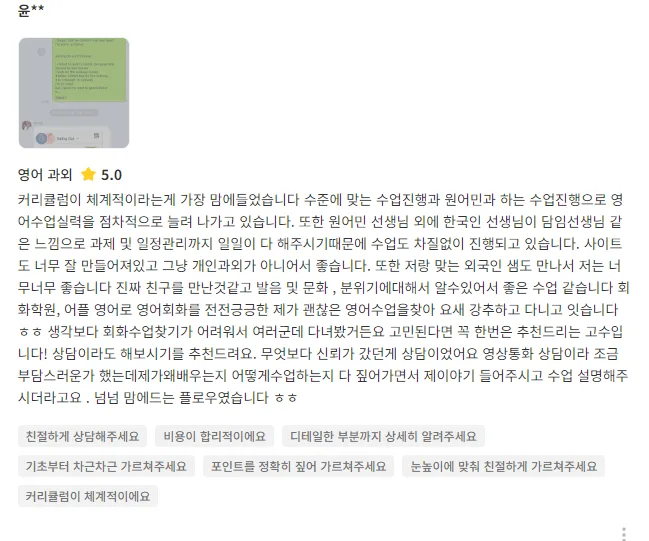
Standard English conversation textbooks may not provide the specific expressions needed for situations like film festival Q&As. Therefore, personalized learning tailored to your situation and goals is crucial. For instance, during festival preparations, you should focus on learning expressions relevant to introducing your work, explaining its background, and conveying the director's intent. This tailored approach is effective for acquiring phrases with a high probability of actual use and is most impactful when centered around speaking practice rather than rote memorization. Seeing that learners with similar goals are consistently achieving results through student reviews can also be a great motivator.
What Criteria Should You Use to Choose Practical English Training?
To effectively learn practical English, it's important to accurately assess your current English level. Diagnostic tests, such as an 'English Body Type' assessment, can objectively evaluate your speaking speed, sentence construction ability, and common hesitation points. When custom classes are designed based on these diagnostic results, adjusting the learning pace and expression selection, the learning effect can be maximized. Furthermore, detailed feedback provided after each session significantly aids in consolidating learned material and building confidence. The sense of accomplishment gained from correctly revising a previously mistaken expression and trying again further strengthens learning motivation. Through this process, you can improve fundamental communication skills like self-introductions and work presentations.
Leveraging English on the Global Stage: Making it Part of Your Film
For creators who need to present their work internationally, English can be a powerful tool that goes beyond mere communication, effectively conveying the essence of their film. The ability to present the core of your work without distortion and speak with self-assurance is essential for gaining a competitive edge on the global stage. Therefore, practical English learning tailored to your specific needs is extremely important. Instead of simply following a set curriculum, engaging in learning that incorporates the words and expressions you need, and infusing it with your unique perspective, leads to a deeper learning experience. This method is particularly effective for busy creators, freelancers, and individuals with clear objectives.
For more details, check the original source below.