Preparing to explain your artwork in English at international art fairs can be daunting for creators. Learning effective 1:1 English conversation skills can build your confidence and help you connect with a global audience.
How to Prepare Your English for International Art Fairs in 2026?
As a creative professional, participating in an international art fair means you'll need to articulate your artistic vision and process in English. If you haven't had much direct communication with international visitors before, this can feel like a significant challenge. 1:1 English conversation classes offer a structured way to overcome this hurdle and practice expressing your emotions and stories effectively. It's crucial to prepare by practicing responses to common questions you might encounter at the fair. This tailored practice is key to boosting your confidence and ensuring you can present your work clearly and compellingly to potential buyers and enthusiasts from around the world.
What's the Best English Learning Method for Artists?
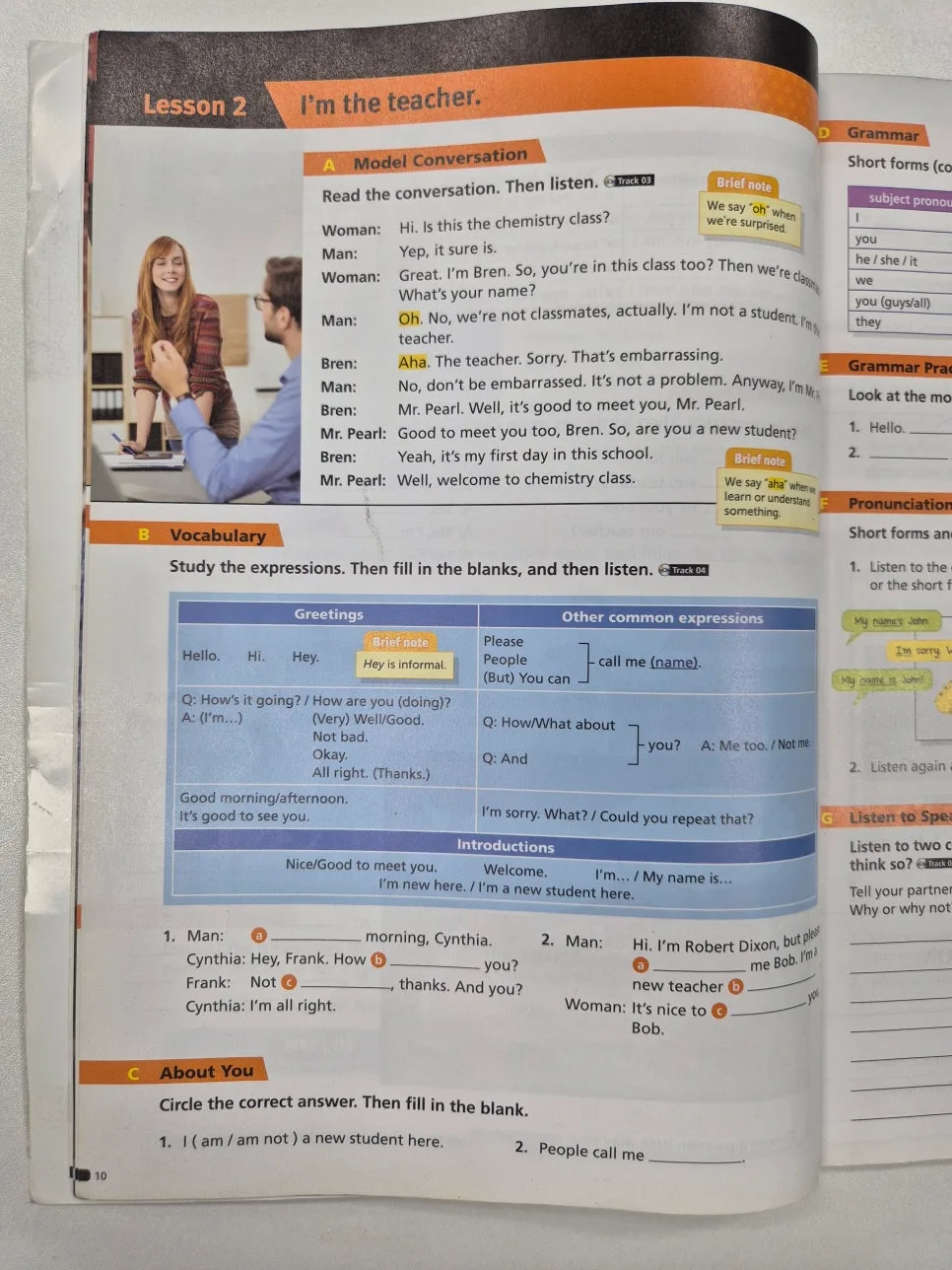
For artists, especially those working in expressive fields like calligraphy, a learning approach that focuses on natural conversation flow is more effective than rigid grammar drills. This method helps reduce pressure and makes English feel more approachable. Adapting lesson materials to fit your specific artistic style and how you describe your work allows you to develop a unique 'voice' in English. This personalized approach not only enhances your language acquisition but also strengthens your ability to represent your creative identity on an international stage, turning language learning into an extension of your artistic practice.
Can Testimonials from Other Creators Motivate Your English Journey?
When facing the common fear of speaking English, hearing from other artists, freelancers, or creators who have successfully navigated similar challenges can provide immense encouragement and motivation. Reading about their experiences and triumphs, especially when they prepared for specific goals like interviews or engaging with international guests, can solidify your own resolve to start learning. These stories often highlight how they overcame difficulties and achieved their objectives, offering a powerful reminder that you too can succeed. Such testimonials are invaluable for maintaining a positive mindset and reinforcing your commitment to improving your English communication skills.
How Can You Practice English for Real-Life Fair Scenarios?
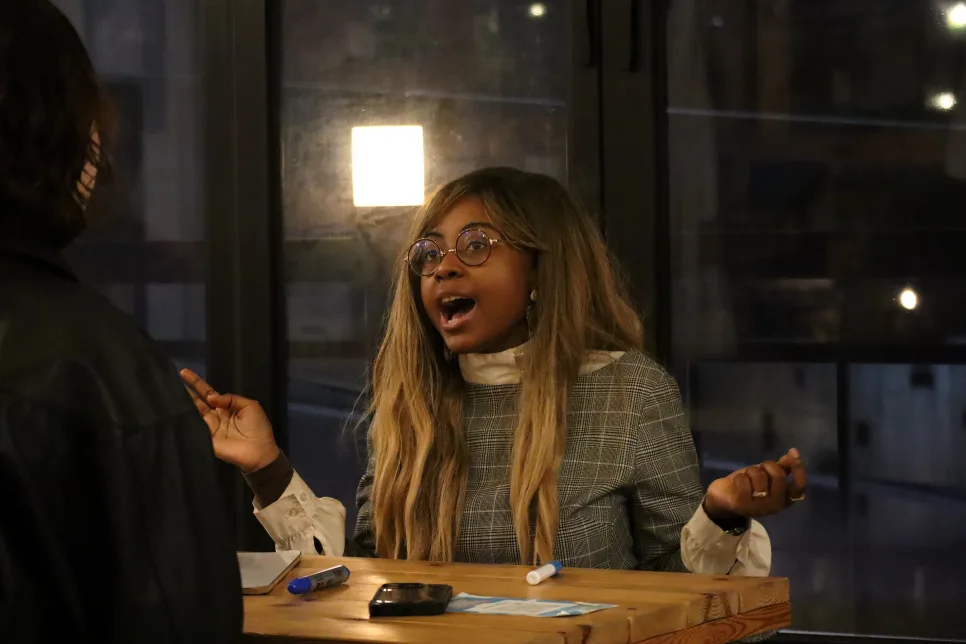
Online English conversation classes become particularly effective when they simulate real-life scenarios, such as those you'd encounter at an art booth. Repeatedly practicing how to describe your artwork's materials, intentions, and creation process in response to anticipated questions can significantly improve your fluency. This goes beyond simply speaking English; it's about preparing the specific messages you need to convey. Consistently using unfamiliar phrases during lessons helps you become more comfortable with them, translating into greater confidence in actual exhibition settings. This practice-oriented approach is essential for transforming language skills into tangible communication abilities.
How Can You Best Utilize Post-Lesson KakaoTalk Feedback?
The KakaoTalk feedback provided after each lesson is an excellent tool for reinforcing what you've learned and identifying areas for improvement. Receiving concise summaries of key phrases, difficult points, and suggestions for enhancement makes it easy to review, even during your creative work. This organized feedback system can serve as a final check before a major exhibition or as a way to consistently track your progress, giving you a sense of accomplishment. This structured approach maximizes learning efficiency and contributes to long-term English proficiency development.
If you're ready to fully introduce your artwork and yourself on the global stage, consider preparing with a 1:1 tailored English conversation class.