
Unlock the full potential of the English verb 'have' in 2026 by mastering its diverse uses beyond simple possession. This guide covers everything from expressing meals and schedules to emotions and experiences, helping you boost your practical conversation skills with the latest insights.
What are the core meanings and expanded uses of 'have' in English conversation?
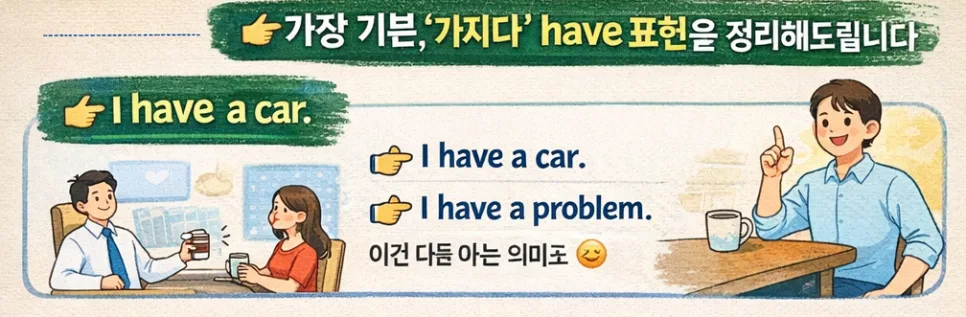
Many English learners struggle to recall sentences when speaking, especially beginners. The key isn't complex grammar, but mastering frequently used core verbs. 'Have' is a prime example, extending far beyond its basic meaning of 'to possess.' In everyday conversations, 'have' is essential for discussing meals ('I have lunch.'), appointments ('I have a meeting.'), and even physical states ('I have a headache.'). This flexibility makes 'have' a cornerstone of natural-sounding English. For instance, 'I have a car' clearly indicates ownership, while 'I have lunch' signifies the act of eating, and 'I have a meeting' denotes a scheduled event. Understanding these nuances is crucial for effective communication.
What are specific ways to use 'have' in everyday conversations?
Related Articles
In daily conversations, 'have' serves many practical roles. Beyond 'to possess,' it's used for meals like 'I have lunch' or 'I have dinner.' For appointments and schedules, you'd say 'I have a meeting' or 'I have an appointment.' When discussing time, 'I have time' or 'I don't have time' are common. To offer an idea, simply say 'I have an idea.' These expressions are concise and effective, making basic English conversations much smoother. Mastering these four uses alone significantly simplifies starting conversations.
How can you express emotions, states, and experiences using 'have'?
'Have' is incredibly useful for describing feelings and physical conditions. For example, 'I have a headache' or 'I have a cold' express discomfort. Positive emotions and experiences are also covered: 'I have fun' or 'I have a good time.' When combined with the present perfect tense, 'have' connects past experiences to the present. 'I have been to Japan' signifies a past visit, and 'I have tried it' indicates prior experience. These present perfect constructions with 'have' are fundamental in spoken English and are worth mastering.
What are effective learning and practice methods for 'have' expressions in English conversation?
To improve your English conversation skills, it's vital to learn the diverse applications of core verbs like 'have.' Don't just memorize; practice speaking aloud. Aim to create and say 10 new 'have' sentences daily. Repeat them frequently. Essential phrases like 'I have no idea,' 'I have to go,' 'I have a plan,' 'I have time,' and 'I have a question' are great starting points. Adapt these to your own situations for better retention. Consistent practice will make these 'have' expressions feel natural, boosting your confidence in English conversations. Consider seeking expert guidance if needed.
Discover more 'have' expressions in the original article.





