Mastering business English communication without an interpreter is crucial for career advancement in 2026. This guide distills expert advice on how to transition from relying on translation services to speaking confidently and effectively in professional settings, boosting your global competitiveness.
Why Is Speaking Business English Directly So Important? (2026 Outlook)
Relying solely on interpreters during meetings with international partners can be frustrating and hinder productivity. In business, where conveying your ideas persuasively is key, direct communication is paramount. Delays in conversation and potential misinterpretations can arise when using translation services. Many professionals have experienced the reduced impact of presentations when not delivered in English themselves. To overcome these challenges and drive real business results, the need for one-on-one English conversation classes is growing. In the global business landscape of 2026, the ability to communicate directly in English will be an even more critical competitive advantage.
How Do I Effectively Assess My English Speaking Skills?
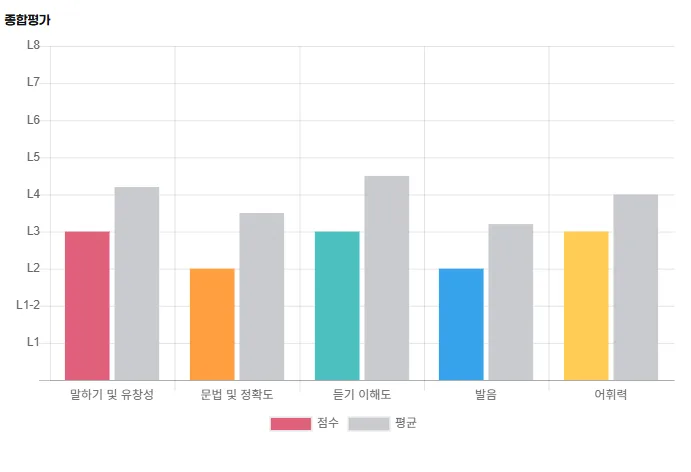
Before diving into English conversation classes, it's essential to objectively assess your current proficiency. As experienced learners have found, using diagnostic tools like an 'English InBody' can clearly reveal your strengths and weaknesses. For example, if you have a strong vocabulary but struggle with sentence structure and confidence, this diagnosis provides a clear path for learning. Instead of vaguely feeling 'bad at English,' pinpointing exactly where you get stuck allows for better motivation and a more effective class plan. This objective analysis is the first step to maximizing your learning outcomes.
How to Utilize Business English Textbooks and Assignments Effectively
Unlike general English conversation, business English requires practical expressions immediately applicable in professional scenarios like meetings and email writing. It's crucial to select business-focused textbooks that align with your needs and concentrate on expressions relevant to real work situations. The core objective is to master phrases for debating, proposing, and persuading, moving beyond basic greetings. Furthermore, consistently completing speaking assignments after class is vital. Practicing by drafting reports or emails related to your work and then speaking through them helps you structure your thoughts and prepare necessary expressions, significantly enhancing practical communication skills.
What Kind of Feedback Is Most Helpful for English Speaking Improvement?
For effective English speaking improvement, detailed feedback that goes beyond simple grammatical error correction to address common speech patterns and intonation is essential. For instance, frequently starting sentences with 'I think...' can make you sound hesitant in meetings. Recognizing and correcting such habits can significantly enhance clarity and confidence in your communication. The process of immediately reviewing and practicing corrections from daily feedback ensures a seamless learning flow. This systematic feedback mechanism plays a crucial role in developing practical English communication abilities that can be used immediately in real-world situations.
The Future of Business English Communication Without an Interpreter
The experience of being able to directly express your opinions in English during meetings with international partners, through consistent one-on-one English conversation classes and practical training, is invaluable. Even if it's not perfect, seeing positive reactions from your counterpart and feeling your own growth provides immense satisfaction. Overcoming challenges that seemed insurmountable alone and reaching a turning point where you truly 'find your voice' is transformative. This process is more than just language learning; it's a critical step in gaining a competitive edge in the global business arena. Since learning outcomes can vary based on individual circumstances, consulting with an expert to create a personalized learning plan is recommended.
For more details, check the original source below.