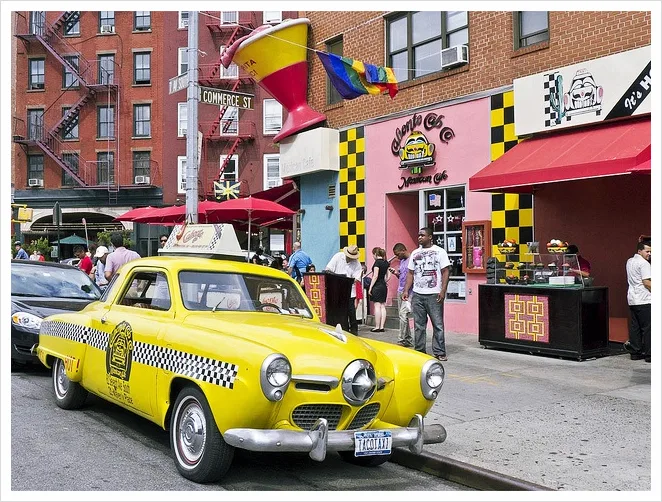
Worried about taxi scams on your next trip? In 2026, prepare for unexpected charges, like a $50 fare for a 10-minute ride, by taking an essential 'crash course' in travel English. Relying on trusted navigation apps over overly friendly drivers is a smart strategy to avoid inflated prices.
Why You Need a Travel English Crash Course in 2026
An unexpected taxi 'scam' can quickly sour your travel experience. Imagine being charged $50 for a ride that should only cost around $7-10 USD (based on ₩10,000-₩15,000). This feels like being forced into an 'Emptier Wallet' experience, especially when dealing with language barriers. Many travelers find themselves in this situation due to a lack of local knowledge or basic English phrases. Understanding common scams and having a few key phrases can save you money and stress. For instance, knowing how to say 'Is this the metered fare?' or 'Can you confirm the estimated cost?' can make a significant difference. This preparation is crucial for a smooth and enjoyable trip, preventing unnecessary financial loss and anxiety.
Related Content
Why Trust Navigation Apps Over 'Friendly' Drivers
Some taxi drivers may employ excessive friendliness as a tactic to overcharge tourists, often calling it a 'friendship fare.' This can lead to surprise charges hidden within the total cost. To combat this, leverage navigation apps like Google Maps or Waze, which are widely available and reliable in most countries. These apps provide real-time traffic data and estimated fares, allowing you to verify if the driver's quote is reasonable. For example, if a driver quotes $50 for a 10-minute ride, your navigation app can quickly show that the actual fare should be closer to $7-15 USD. Relying on these trusted digital tools helps prevent unnecessary expenses and ensures you're getting a fair price for your journey.
Mastering 'Scam' English: Key Phrases for Fair Fares
Navigating potential taxi scams requires a basic understanding of relevant English phrases. The idiom 'take a crash course in ~' perfectly describes the rapid, often unwelcome, learning experience of dealing with unexpected tourist traps, such as inflated taxi fares. You might feel like you've 'taken a crash course in tourist tax.' The phrase 'A comes with B' is useful for understanding hidden costs, like 'This fare comes with a late-night surcharge.' On a more positive note, 'On the bright side' helps reframe negative experiences. For instance, even if you encounter a scam, you can say, 'On the bright side, I now have a story to share,' turning a bad situation into a memorable anecdote. Learning these expressions can empower you to communicate more effectively and confidently.
Practical Tips to Avoid Overpriced Taxi Rides
Avoiding inflated taxi fares involves a few key strategies. First, always confirm your destination and ask for an estimated fare before starting your journey. Second, if a driver refuses to use the meter or quotes an excessively high price, politely decline and seek alternative transportation. Third, utilize navigation apps like Google Maps to estimate your route and cost beforehand. Fourth, opt for officially licensed taxis or reputable ride-sharing services (like Uber or Lyft, where available) rather than drivers who seem overly pushy or unofficial. Finally, if you do end up paying more than expected, remember the phrase 'On the bright side' – you've gained valuable experience that will help you and other travelers in the future. Always check local regulations and common practices for the most accurate advice.
For more travel English tips, check the original source below.