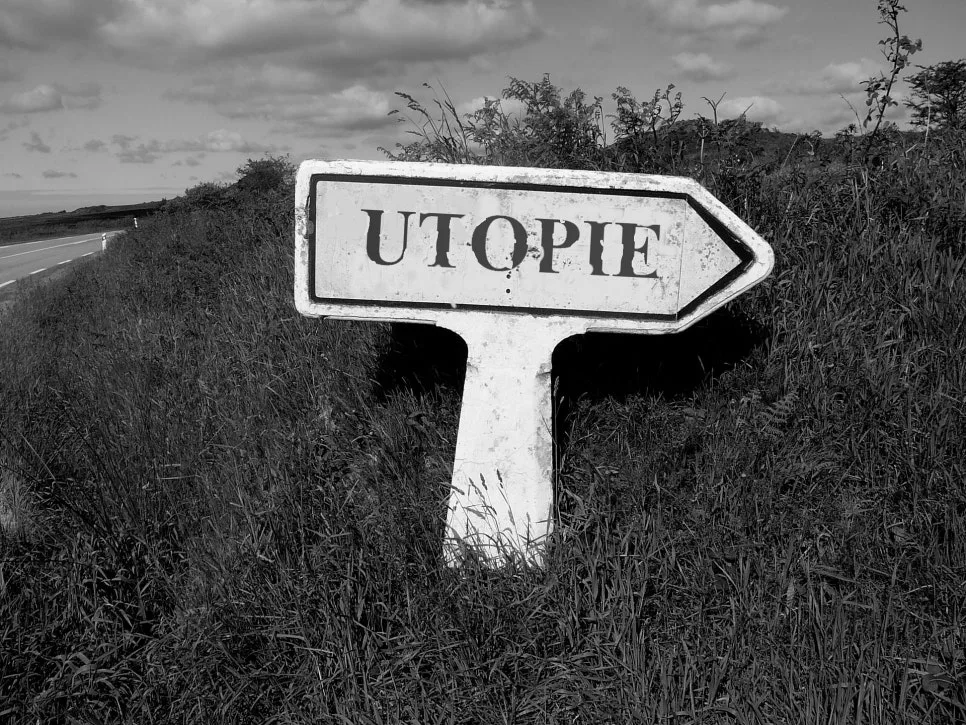
The rapid advancement of AI and robotics in 2026 presents a dual future: a potential utopia of unprecedented progress or a dystopia of societal control. The reality will likely be a complex interplay of both, shaped by the choices we make today regarding ethical development and equitable distribution of these powerful technologies.
What are Utopia and Dystopia in the Age of AI and Robots?
Utopia, derived from Greek meaning 'no place' or 'good place,' represents an ideal, perfect society characterized by equality, abundance, and happiness. Conversely, dystopia, stemming from 'bad place,' depicts a grim future marked by oppression, inequality, surveillance, and loss of freedom. Fictional works like George Orwell's *1984* and Aldous Huxley's *Brave New World* have long explored these concepts, serving as cautionary tales that resonate even more strongly as AI and robotics become integrated into our daily lives. These narratives prompt critical reflection on the trajectory of technological development and its potential societal impacts.
What are the Origins of Utopia and Dystopia?
The term 'utopia' was popularized by Sir Thomas More in his 1516 book of the same name, combining Greek 'ou' (not) and 'topos' (place) to signify an 'unreal place' or an ideal society. The term 'dystopia' was first used by John Stuart Mill in the 19th century as the antithesis of utopia, meaning a 'bad place.' Both concepts, though originating in literature, serve as powerful lenses through which we examine societal issues and project our hopes and fears about the future. They reflect humanity's enduring quest for ideal living conditions while simultaneously warning against potential societal breakdowns driven by unchecked power or technological advancement.
How Can AI and Robotics Foster a Utopian Future?

AI and robotics hold immense potential to enhance human life by boosting productivity, automating dangerous or tedious tasks, and expanding access to essential services like healthcare and education. Imagine AI-powered personalized learning platforms that cater to every student's needs, or robots assisting in elder care, alleviating burdens on human caregivers. These advancements could lead to greater material and spiritual well-being, fostering a society where basic needs are met, and individuals have more freedom to pursue creative and fulfilling endeavors. This vision aligns with the core tenets of a utopian society, promising a future of increased prosperity and happiness for all.
How Can We Mitigate the Dystopian Risks of AI and Robotics?
The potential downsides of AI and robotics, including widespread job displacement, exacerbated inequality, pervasive surveillance, and privacy erosion, demand proactive management. To avert a dystopian future, ethical considerations must be embedded in the design and deployment of these technologies. Policies ensuring the fair distribution of economic benefits derived from automation are crucial, alongside robust social safety nets and retraining programs to help workers adapt to a changing job market. Public discourse and critical engagement are vital to ensure that AI and robotics serve humanity's best interests, rather than leading to an oppressive or inequitable society.