Maximizing space in a small home is achievable through smart interior design, focusing on unifying wall and ceiling colors, using light-colored flooring, incorporating low-profile furniture, and utilizing hidden storage solutions. These elements, when combined effectively, can visually double the perceived size of your living area.
What's the most effective way to make a small home feel larger?
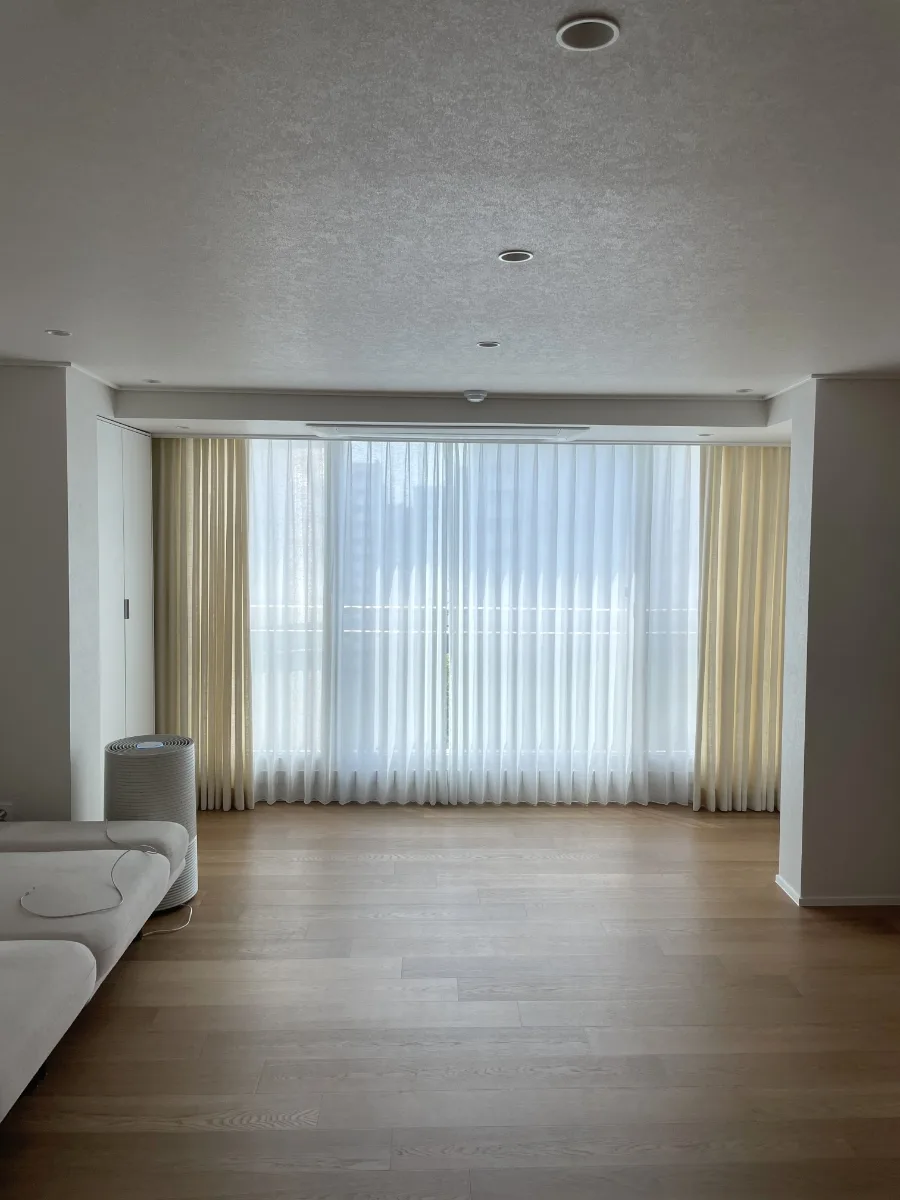
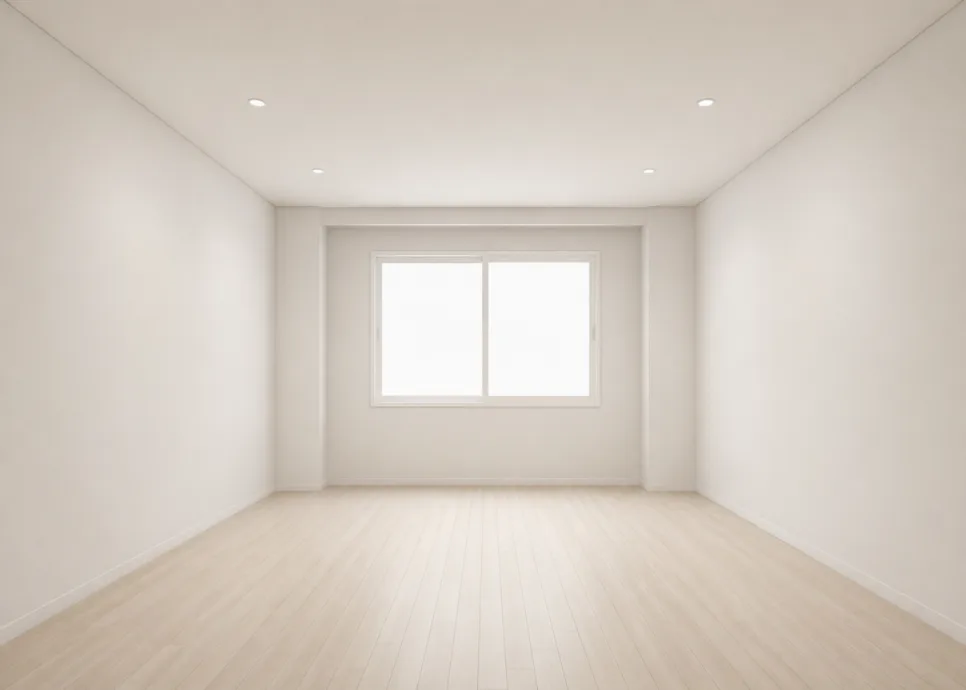
Interior design experts frequently recommend unifying wall and ceiling colors as a primary strategy for expanding small spaces visually. When colors clash, they can break up sightlines, making a room feel smaller. However, using a consistent, neutral palette—like whites, ivories, or light grays—creates a seamless look that can make ceilings appear higher and the overall space feel more expansive. Similarly, opting for a consistent, light-colored flooring throughout your home, such as a light wood tone or beige, enhances this effect. This cohesive approach to color and materials creates a sense of flow and openness, making even compact areas feel significantly larger and more welcoming.
What furniture choices and arrangements work best for small spaces?
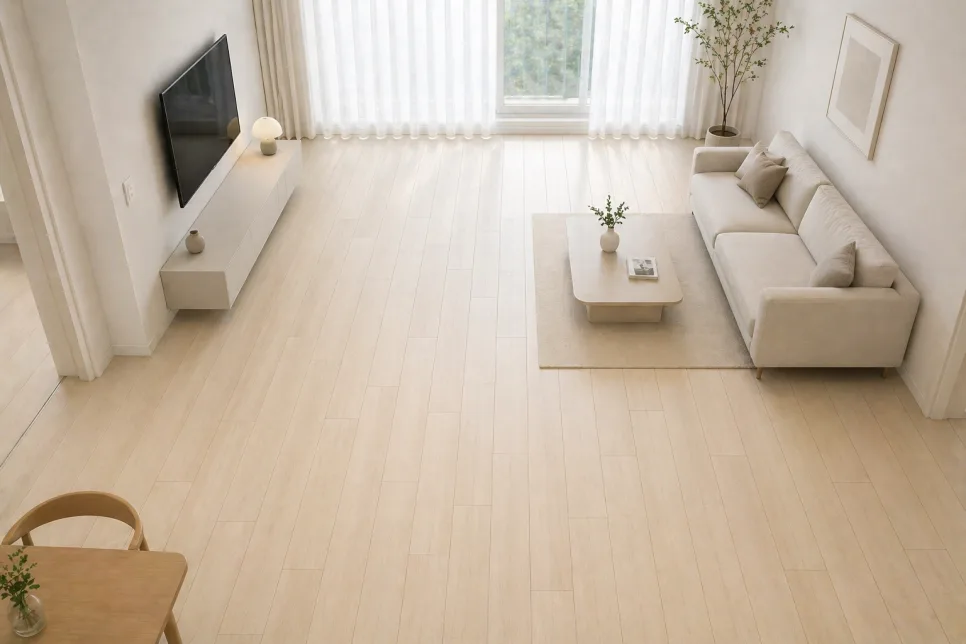
In smaller homes, the height and design of your furniture play a crucial role in how open and airy the space feels. Opt for low-profile, minimalist furniture that doesn't obstruct sightlines. For instance, low-set sofas and TV consoles can make the ceiling appear higher, creating an illusion of more vertical space. It’s also essential to minimize the number of furniture pieces; select only what is necessary and ensure each piece serves a purpose. Built-in or wall-mounted storage solutions are preferable to freestanding units, as they maintain a cleaner visual line and contribute to a more organized, spacious feel. Consider furniture with clean lines and a simple aesthetic to avoid visual clutter.
How can storage space be effectively utilized in a small home?
A common reason small spaces feel cramped is the visible clutter from too many belongings. Therefore, prioritizing hidden storage over open shelving is key. Maximize the use of built-in wardrobes and consider seamless, handle-less 'hidden door' designs that blend into the walls. This creates a unified look and conceals items effectively. Implementing wall-integrated storage systems can also maximize every inch of available space without encroaching on the room's footprint. Ultimately, a well-organized space directly translates to a visually larger and more comfortable living environment. Clever storage solutions are essential for maintaining a tidy and expansive feel.
How do mirrors and ambient lighting impact small living areas?
Mirrors and ambient lighting are powerful tools for visually expanding small interiors and adding depth. Mirrors, when strategically placed, can reflect light and views, creating an illusion of double the space. Placing a large mirror in an entryway or on a main living room wall can significantly enhance this effect. Ambient lighting, such as indirect LED strips placed behind a TV or along the top of a sofa, adds a soft glow that creates a sense of depth and a cozy atmosphere. This type of lighting makes the walls appear further away, contributing to a more layered and sophisticated look. By thoughtfully incorporating these elements, even the smallest apartment can feel more open, inviting, and stylish.
For more detailed insights, refer to the original Korean source.