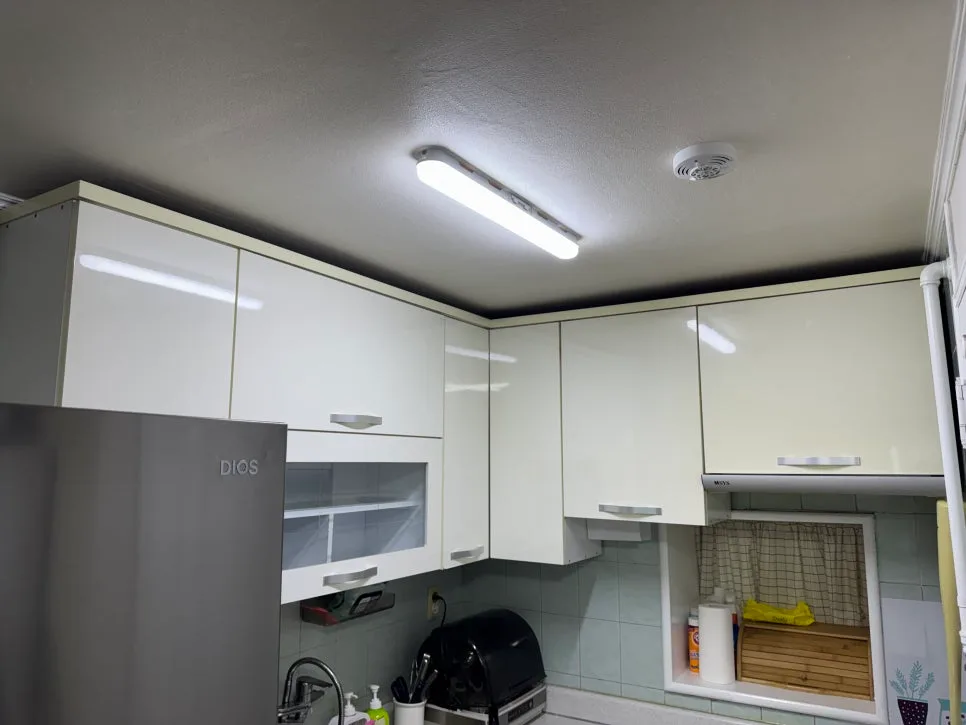
In 2026, sagging kitchen cabinet upper shelves (upper cabinets) pose a significant safety risk, requiring prompt professional diagnosis and reinforcement. As seen in cases like the Sijihana Town example, when heavy upper cabinets detach from the wall, makeshift solutions like using a baseball bat are extremely dangerous and necessitate immediate expert intervention. This guide details the causes, risks, and proper repair methods for sagging kitchen cabinets, ensuring your kitchen remains safe and functional.
What Causes Sagging Kitchen Cabinets and What Are the Safety Risks?
Your kitchen is where culinary magic happens, but sagging upper cabinets can introduce unexpected dangers. In situations like the one experienced in Sijihana Town, Daegu, where an upper cabinet was visibly pulling away from the wall, it creates a precarious situation. While a homeowner might resort to temporary fixes like wedging a baseball bat underneath, this is a highly dangerous practice from a professional's perspective. It fails to address the underlying structural issue and carries a high risk of complete cabinet failure. If the upper cabinet detaches entirely, it can lead to more than just damaged furniture; heavy dishes inside can become dangerous projectiles, and if someone is nearby, the risk of serious injury is substantial. Accidents caused by falling cabinets often result in more severe personal harm than just broken dishware.
What Are the Root Causes of Cabinet Sagging and the Dangers of Poor Installation?
One of the primary reasons for sagging upper kitchen cabinets is improper installation. Specifically, if the 'support studs' or 'mounting boards' used to secure the cabinet to the wall are not installed correctly, the cabinet may not withstand the weight of its contents over time. As the cabinet and its stored items exert pressure, the inadequate support can lead to the cabinet pulling away from the wall. The Sijihana Town case, where a thin piece of plywood was haphazardly used instead of proper mounting hardware, is a classic example of shoddy workmanship. Experts with over 25 years of experience in the cabinet industry emphasize that neglecting the foundational elements, even in unseen areas, inevitably leads to problems down the line. Faulty installation compromises both safety and long-term durability.
How Are Sagging Kitchen Cabinets Repaired, and What Is the Expert's Role?
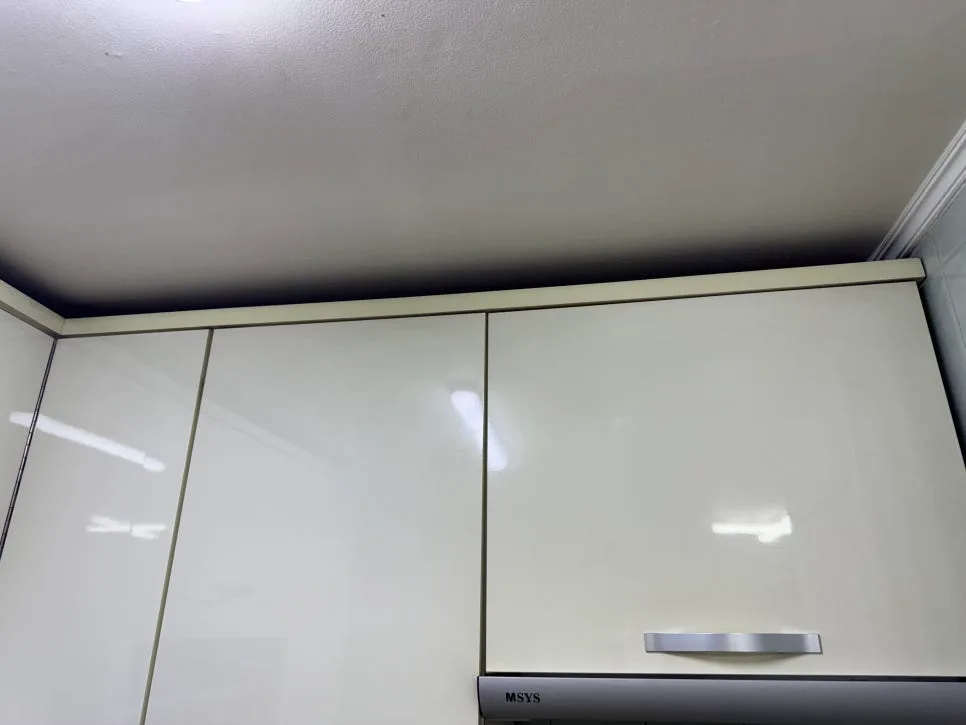
Resolving a sagging cabinet issue requires precise diagnosis followed by professional reinforcement. The process typically begins with carefully removing the affected upper cabinet. Any faulty or inadequate mounting hardware, such as the poorly installed support studs or plywood, is then removed. Next, new support studs are securely fastened to the wall using appropriate tools like a nail gun, ensuring a robust connection. The critical factor here is achieving maximum holding power; the new supports must be strong enough to withstand significant force, ideally preventing any movement even if an adult were to hang from them. After reinforcing the support structure, a level is used to ensure the cabinet is perfectly plumb, with no more than a millimeter of deviation. This precise leveling is crucial for distributing weight evenly and preventing future warping. Finally, the upper cabinet is reinstalled. Professionals also often inspect and address related issues, such as potential performance degradation of the kitchen hood, to ensure overall kitchen comfort and functionality.
After Cabinet Repair, How Do Customer Satisfaction and Long-Term Durability Improve?
Professional and thorough cabinet repairs significantly enhance customer satisfaction. The customer in the Sijihana Town case, after experiencing the proper reinforcement, can now use their upper cabinets with confidence, knowing they are securely mounted and safe for storing kitchenware. This professional intervention not only restores the cabinet's structural integrity but also extends its lifespan, preventing future sagging and potential accidents. By addressing the root cause of the issue and ensuring precise installation, the repaired cabinets maintain their aesthetic appeal and functionality for years to come, contributing to a safer and more pleasant kitchen environment. For those in the Daegu area experiencing similar issues, seeking out experienced professionals with a proven track record is key to achieving lasting peace of mind and a secure kitchen.
For more details, check the original source below.