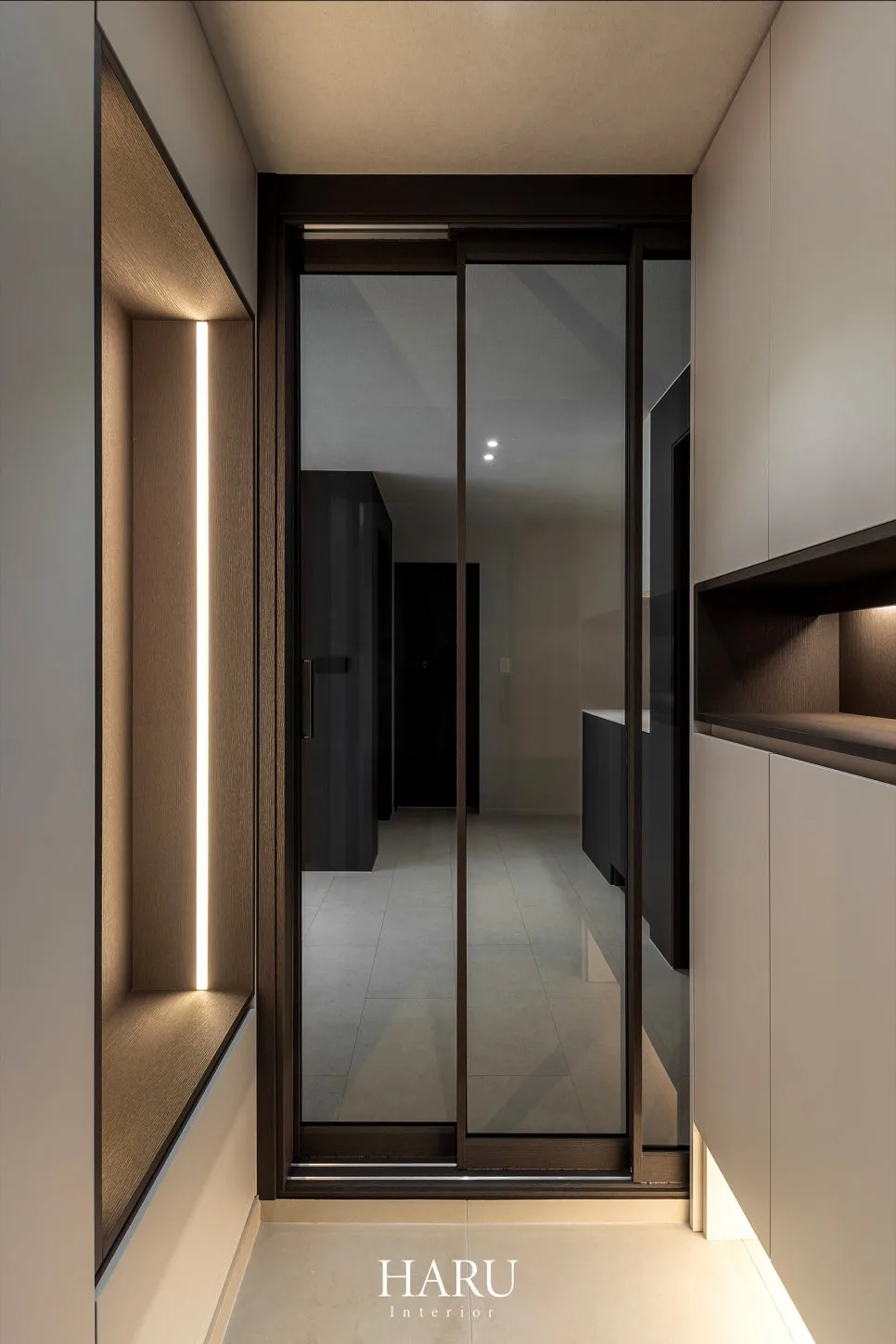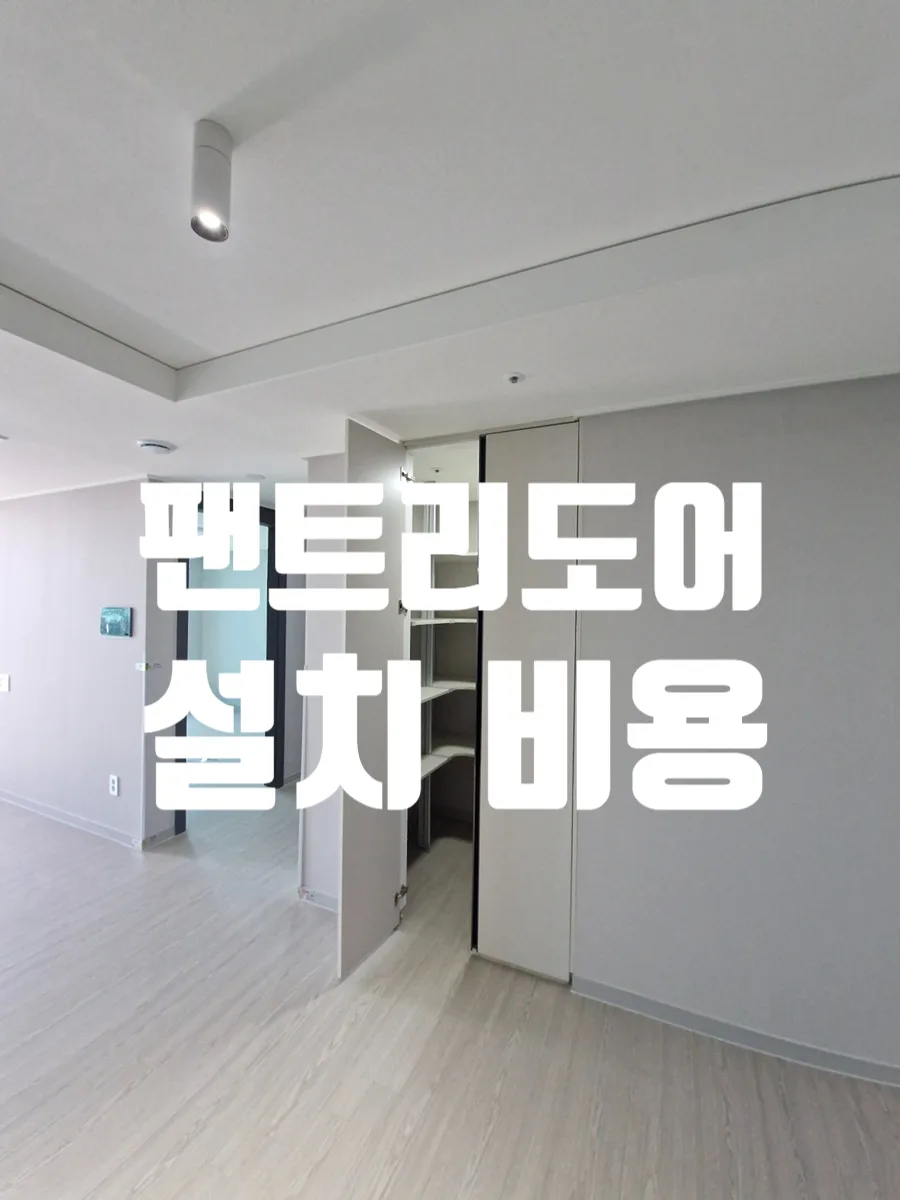
Installing a pantry door in an apartment typically costs between $250 and $800+, depending on customization, door type, materials, and installation complexity. Custom-built doors are common for apartments lacking a pre-installed pantry door, with exact pricing determined after an on-site measurement and consultation.
What Factors Determine Pantry Door Installation Costs in 2026?
The cost of installing a pantry door isn't just about the door itself; several factors contribute to the final price. The biggest influence is whether the door is custom-built to fit your specific apartment's dimensions. Since apartments can have slight variations in ceiling height and wall spacing, custom fabrication is often necessary for a seamless fit. Additional costs can arise from the door type (e.g., double swing, hidden, or sliding doors), the hardware chosen for opening and closing, and the finish materials selected. Installation complexity, accessibility to the site, and elevator access also play a role. For the best accuracy, always get a professional on-site measurement and consultation. While custom builds have a higher upfront cost, they significantly enhance long-term usability and satisfaction with your pantry space.
What Is the Process for Installing a Pantry Door?
The installation of a pantry door typically involves four main stages. First, the existing open pantry structure is assessed, and precise measurements of the left and right wall spacing, as well as the ceiling height, are taken. It's crucial to note the current state of any exposed shelving to accurately determine the space available for the door. Second, the door is fabricated to these precise measurements, and any necessary hardware is assembled on-site. This stage requires careful attention to prevent door warping. Third, a frame is erected along the pantry entrance line, securely fastened to the ceiling and sides. The door's alignment and spacing are repeatedly checked to ensure smooth opening and closing without interference. Finally, after all installations are complete, protective films are removed, and the overall finish is inspected. The door's swing and hinge functionality are double-checked before the installation is considered complete. This process transforms an open nook into a neat, concealed storage area.
What Should You Consider Before Installing a Pantry Door?
Before committing to pantry door installation, several practical aspects beyond just cost need careful consideration. Firstly, the direction and method of the door's opening are crucial for maximizing space utilization. Options beyond standard swinging doors include sliding (pocket or barn style) or folding doors, which can be more space-efficient. Secondly, the door's finish and design should harmonize with your existing interior decor. Choosing colors and textures that blend naturally with the rest of your home creates a more cohesive aesthetic. Thirdly, the style and placement of the door handle are important for ease of use and safety, especially in a high-traffic area like a kitchen or hallway. Lastly, ventilation cannot be overlooked. Consider incorporating small vents into the door itself or planning to leave a slight gap when the door is closed to ensure adequate airflow. Addressing these details thoughtfully can significantly enhance both the practicality and visual appeal of your pantry space.
What Are the Pros and Cons of Installing a Pantry Door?
Installing a pantry door offers several distinct advantages, primarily contributing to a tidier home environment. The most significant benefit is the ability to conceal clutter, instantly giving your kitchen or dining area a more organized and polished look. Doors also help reduce dust accumulation inside the pantry, keeping stored items cleaner and more hygienic. This separation can also help manage odors and humidity. However, there are downsides to consider. The most obvious is the additional cost associated with purchasing and installing the door, which can range from a few hundred to over a thousand dollars depending on the customization. Furthermore, a door can make the pantry entrance narrower, potentially causing inconvenience when moving larger items in or out. It's essential to weigh these factors against the aesthetic and organizational benefits before making a decision.
What Are the Key Considerations for Pantry Door Ventilation?
Proper ventilation is a critical factor when installing a pantry door to prevent issues like moisture buildup, mold growth, and unpleasant odors. One effective solution is to incorporate small, discreet vents directly into the door panel itself. These can be simple cutouts or louvered designs that allow for continuous airflow without compromising the door's appearance. Another approach is to ensure the door doesn't seal completely shut, leaving a small gap at the top or bottom to facilitate air circulation. Additionally, developing a habit of opening the pantry door regularly for a few minutes each day can significantly improve ventilation. For pantries storing food items, especially those sensitive to humidity, planning for adequate airflow from the outset is essential to maintain freshness and prevent spoilage. Consulting with your installer about the best ventilation strategy for your specific pantry setup is highly recommended.