Magnetic lighting systems offer unparalleled flexibility, allowing you to adjust light placement freely along a track for enhanced space utilization and a minimalist aesthetic. In 2026, these systems continue to be a key element in creating sophisticated and modern interior ambiances.
What Exactly Is Magnetic Lighting?
Magnetic lighting, as the name suggests, utilizes a magnetic system to attach and detach light fixtures from a track. The primary feature is the ability to freely position lights anywhere along the installed track, offering a significant advantage over traditional recessed or fixed track lighting. This flexibility allows users to adapt lighting to lifestyle changes or evolving room functions. It has revolutionized space design, particularly for spaces embracing minimalism or modern aesthetics. Various fixture types, such as downlights, spotlights, and linear lights, can be combined on a single track, enabling precise control over illumination levels and mood setting tailored to the room's purpose. For instance, linear lights can provide soft ambient lighting, spotlights can highlight artwork or furniture, and downlights can ensure adequate basic illumination where needed. Newer 'recessed magnetic lighting' options are also gaining popularity, integrating seamlessly with trimless interior designs for an even cleaner ceiling appearance. These systems' versatility and design strengths are driving their adoption in residential spaces as well as commercial settings like cafes, showrooms, and offices. The availability of various track colors, including black and white, further enhances their appeal by allowing for detailed customization to match any interior concept.
How Does Magnetic Lighting Contribute to a Clean Ceiling Design?
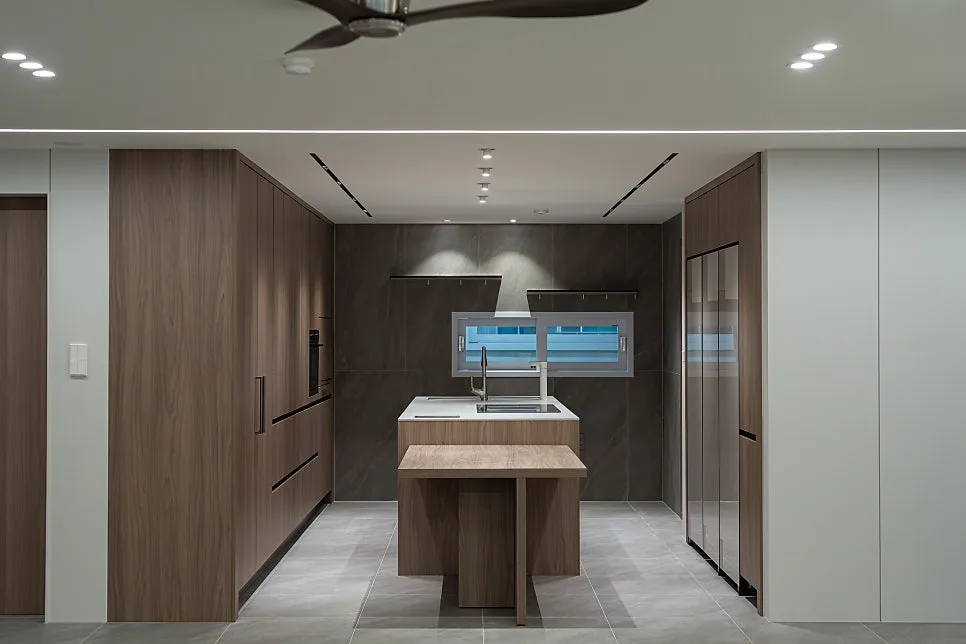
One of the main reasons magnetic lighting is so popular in interior design is its ability to create a remarkably clean and organized ceiling appearance. Standard recessed lighting requires multiple holes in the ceiling, which can sometimes lead to a cluttered look. Magnetic lighting, however, centers the design around the track, resulting in a much simpler and more minimalist ceiling line. When combined with minimalist or modern interior styles, the lighting system itself becomes a design element, elevating the overall sophistication of the space. Popular track arrangements include straight lines along ceiling contours or L-shaped configurations following living room and kitchen pathways. These track layouts naturally guide the eye and create a visual sense of spaciousness and order. Furthermore, the slim profile of most magnetic track lighting prevents the ceiling from feeling heavy or oppressive. The key feature of adjustable light placement is also highly practical, allowing users to reposition lights as furniture arrangements or room functions change. For example, if a dining table's position is moved, pendant or spotlight positions can be adjusted accordingly to redefine the room's focal point. This adaptability empowers users to engage with their space more creatively.
What Are the Pros and Cons of Magnetic Lighting?
Magnetic lighting offers numerous advantages for contemporary interior design, though there are a few drawbacks to consider. The most significant benefit is the freedom to reposition lights and combine various fixture types for customized space illumination, as previously mentioned. This adaptability allows for flexible responses to changing spatial needs and adds dimension and sophistication to what might otherwise be a monotonous ceiling design. The slim profile and recessed installation options also greatly contribute to creating minimalist and tidy spaces. However, a potential downside is that the initial installation cost can be higher compared to standard recessed lighting. This is due to the price of the track system itself and the specialized labor required for installation. There's also a possibility of issues like flickering or poor contact if the quality of the track system or the installation is subpar. Therefore, selecting products from reputable manufacturers and entrusting the installation to experienced professionals is crucial. In the long run, this initial investment and careful selection process will enable you to fully enjoy the superior design value and practicality that magnetic lighting provides. It's advisable to weigh these pros and cons against your personal budget and desired interior style.
What Should You Consider When Installing Magnetic Lighting?
To successfully install and enjoy your magnetic lighting system, it's important to keep a few key considerations in mind. Firstly, thoroughly plan the intended use of the space and the arrangement of furniture before installation. If major furniture pieces like sofas, TV consoles, or dining tables might be repositioned, factor this into the track length and the planned placement of light fixtures. Secondly, carefully select the types and number of light fixtures. Installing too many lights can make a space feel cluttered, while too few may not provide adequate illumination. Consider the room's size, ceiling height, and desired ambiance when choosing the appropriate quantity and variety of lights. Thirdly, decide on the track type and installation method. Surface-mounted tracks are generally easier to install but will be visible on the ceiling, whereas recessed tracks offer a cleaner look but involve more complex and potentially costly installation. Choose the method that best suits your overall design concept and budget. Finally, selecting a professional installation service is highly recommended. Magnetic lighting systems involve electrical work, making safety paramount. Improper installation can lead to reduced performance or safety hazards. Consult with reliable professionals to ensure a safe and satisfactory installation. Collaborating with an expert to design the optimal lighting plan for your space is the best way to ensure long-term satisfaction.
For more details, check the original source below.