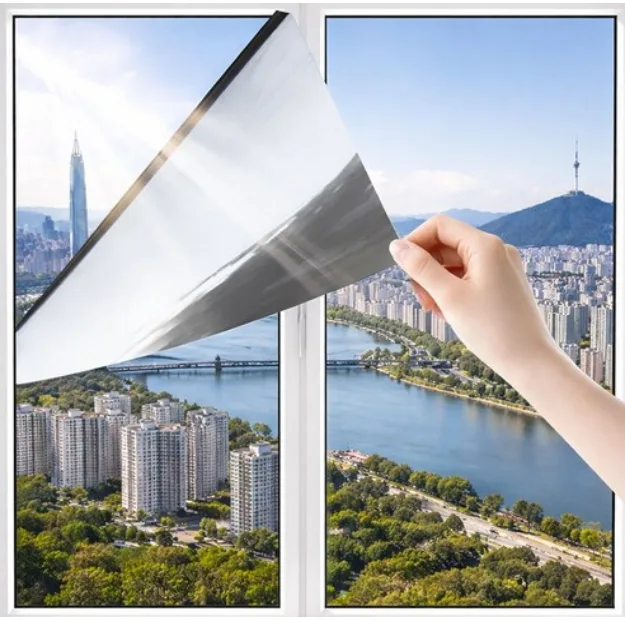
Korean window films offer a dual benefit: significant energy savings by blocking summer heat and winter cold, plus enhanced privacy. These films are surprisingly easy to install yourself, making them a practical DIY home improvement project for any American household.
What Are the Benefits of Korean Window Films?
In Korea, window films like the ROYAI ONE blackout and insulation type are highly praised for their effectiveness. During hot summers, they dramatically reduce the amount of direct sunlight entering your home, lowering indoor temperatures and making your air conditioning more efficient. You'll notice the cool air stays longer. Come winter, these films act as a barrier against cold drafts, preventing heat from escaping your home and improving your heating system's performance. This translates to noticeable savings on your energy bills year-round. Beyond energy efficiency, they provide excellent daytime privacy, obscuring views into your home without the need for curtains or blinds, which is a huge plus for ground-floor apartments or homes with close neighbors. They also block harmful UV rays, protecting your furniture, flooring, and decor from fading and extending their lifespan.
How to Install Korean Window Films Correctly

Installing these films is a straightforward DIY process. First, thorough cleaning of the window surface is crucial. Use a mixture of water and mild detergent to wash the glass, then dry it completely with a lint-free cloth. Any remaining dust or debris can lead to bubbles or peeling later. Next, measure and cut the film slightly larger than your window pane to allow for easier trimming and a cleaner finish. Before peeling off the backing, generously spray the window with water. This allows you to reposition the film easily and helps in removing air bubbles. Once the film is in place, use a squeegee or a credit card to gently push out the water and air from the center towards the edges. Avoid pressing too hard, as this can damage the film. For a clean edge, carefully trim any excess film with a sharp utility knife. Many modern Korean films are non-adhesive, making them easy to adjust and remove without leaving residue, perfect for renters.
What Should You Watch Out For During Installation?
When applying Korean window films, a few key points can ensure a smooth and professional-looking result. Firstly, always cut the film with a slight overlap around the window frame. Trying to get a perfect fit during cutting can lead to gaps or difficulty in achieving a clean edge after application. Secondly, don't be shy with the water spray. Insufficient water can trap air bubbles and prevent the film from adhering properly, especially in dry climates. Thirdly, when using a squeegee, apply firm but gentle pressure. Aggressive scrubbing can cause scratches or wrinkles on the film's surface. Work methodically from the center outwards. Lastly, allow the film to cure for at least 24 hours after installation. Avoid opening or closing the window frequently during this period to ensure the film adheres completely and settles properly. Following these tips will help you achieve a seamless finish.
How to Choose the Right Korean Window Film
Selecting the best Korean window film involves considering several factors. The primary feature is 'light blocking rate' (차광률), which indicates how effectively the film darkens a room. Check product specifications for this percentage. Secondly, evaluate the 'insulation performance' (단열 성능). Look for metrics like the U-value or R-value, which indicate its ability to reduce heat transfer in both summer and winter. Thirdly, consider the 'UV blocking rate' (자외선 차단율). A high rate, typically 90% or more, is ideal for protecting your interiors and skin. Fourth, pay attention to the 'adhesion method'. Non-adhesive (무점착) films are highly recommended for ease of installation and residue-free removal, making them suitable for temporary use or rental properties. Finally, consider the film's durability and aesthetic design. Choose a product that is resistant to scratches and complements your home's interior style. By balancing these criteria, you can find a film that meets your specific needs.
For more details, check the original source below.