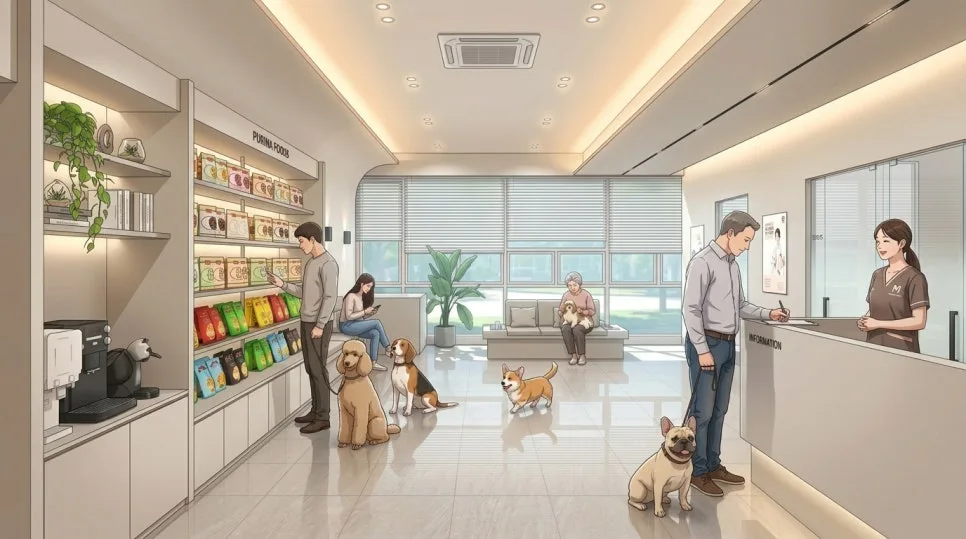
The key to successful Korean vet clinic interior design in 2026 involves creating a space that exudes comfort and trust. This is achieved through a strategic use of monotone color palettes, textured finishes, and ambient indirect lighting, alongside thoughtful amenities for both pet owners and their animals.
How to Create a Comfortable and Trustworthy Vet Clinic Interior Design?
Veterinary clinics should be more than just places for treatment; they need to be environments where pets and their owners feel psychologically at ease and comfortable. To achieve this, it's crucial to establish a cozy and trustworthy atmosphere by using a monotone base, incorporating warm-textured finishes, and employing subtle indirect lighting. This design concept significantly shapes the clinic's first impression and contributes to a positive visitor experience. Utilizing large glass doors and full-facade designs can enhance the sense of openness. Emphasizing the brand's premium image with textured walls and illuminated logos is also effective. For pet owners' convenience, consider integrating display areas along the walls for pet food or merchandise, and perhaps a self-serve beverage station.
How Should Vet Clinic Reception Desks and Waiting Areas Be Designed?
The reception desk is the central hub of the clinic and the first point of contact for visitors. Opting for a soft, curved counter design rather than a strictly linear one can help soften the space's tension and convey a more approachable and gentle image. This approach can reduce the psychological burden pet owners might feel when visiting a clinic. The waiting area is where clients spend the most time, so its design must prioritize comfort and pleasantness. Ensuring ample seating and creating an environment where visitors can feel relaxed even during a brief wait demonstrates thoughtful consideration. Such spatial design choices contribute significantly to the overall satisfaction with the clinic.
Why is 3D Design Important for Vet Clinic Interiors, and What Are Its Benefits?
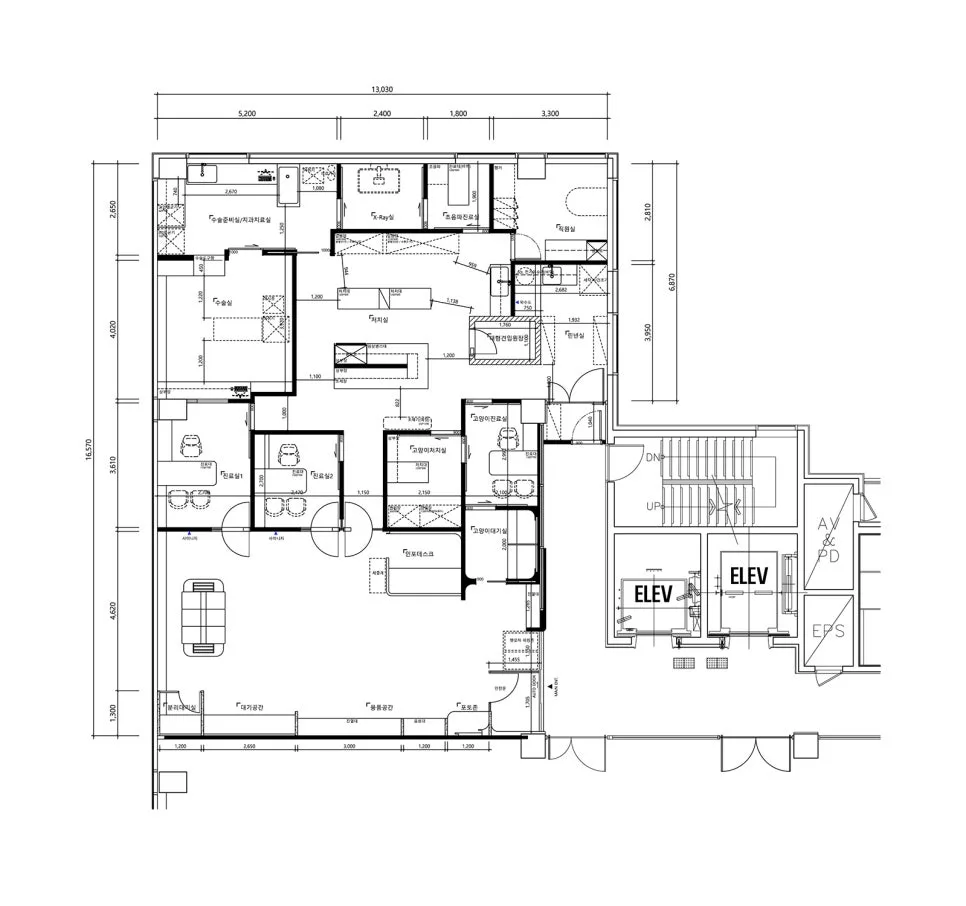
3D design is an essential process that minimizes trial-and-error before actual construction begins and facilitates seamless communication with clients. By previewing the final outcome through realistic 3D renderings, understanding of the design is enhanced, and potential issues can be identified and addressed proactively. This leads to significant savings in both time and cost. Furthermore, high-quality 3D renders play a crucial role in visually communicating the clinic's professionalism and credibility. Therefore, professional 3D design is indispensable for successful veterinary clinic interiors.
What Are Common Mistakes to Avoid in Vet Clinic Interior Design?
One of the most frequent mistakes in vet clinic interior design is prioritizing functionality while overlooking the convenience of both pet owners and their animals. For instance, focusing solely on the efficiency of treatment areas might lead to insufficient space for comfortable waiting or consultation areas for pets and their owners. Neglecting the design of the lobby or reception desk can also detract from the clinic's professional image and credibility. Additionally, designs that are cold or chaotic, failing to consider the stress animals might experience, should be avoided. To achieve a successful interior, it's vital to thoroughly consider these aspects and maintain close communication with design professionals.
For more details, check the original source below.