Considering Korean tile grouting in 2026 to elevate your home's interior? Grouting services are essential for improving hygiene, enhancing the aesthetic appeal of spaces, and preventing long-term tile damage. This guide breaks down the benefits and considerations for modern homes.
Why is Tile Grouting Important for Modern Homes in 2026?
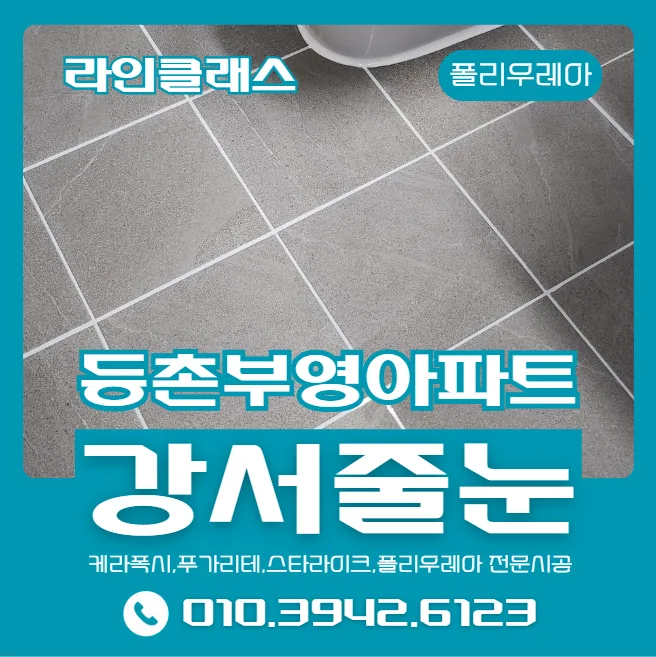
In contemporary living spaces like apartments, tile grouting goes beyond mere aesthetics. Over time, traditional grout lines in areas like bathrooms and kitchens can become breeding grounds for mold, mildew, and stains, leading to discoloration and unpleasant odors. Specialized grout materials offer superior resistance to these issues, significantly contributing to a cleaner and more hygienic living environment. Furthermore, a well-executed grout job acts as a protective barrier, preventing tile cracking or separation, thus preserving the integrity of your surfaces. Many homeowners are opting for grout services to complete their interior design and ensure lasting beauty and functionality.
Enhancing Your Space: Grout Effects and Color Selection
The choice of grout color can dramatically influence the overall ambiance of a room. Opting for a grout color that complements your tile can create a sense of spaciousness and visual flow, making smaller areas feel larger. Conversely, using a contrasting grout color can highlight the tile's pattern, adding a modern and sophisticated touch. For a luxurious feel, consider grout materials with subtle metallic or pearlescent finishes, which can add a unique accent, especially in entryways or bathrooms. When selecting grout for your home, consider the specific characteristics of each area. Bathrooms benefit from waterproof and antimicrobial grout, while kitchens require materials with excellent stain resistance. Tailoring your grout choice to the room's function and your desired aesthetic is key to achieving a polished and cohesive interior design.
The Grouting Process and Proper Aftercare
A successful grout application begins with meticulous preparation. It's crucial to completely remove old grout and thoroughly clean the tile joints of any dust or debris to ensure optimal adhesion of the new material. For areas prone to moisture, like bathrooms and kitchens, pay special attention to cleaning around drains and corners. After application, allowing adequate curing time is vital for the grout's durability. It's generally recommended to avoid walking on newly grouted areas for at least 5 hours and refrain from using water for about 12 hours. Adhering to these initial drying periods significantly enhances the grout's longevity and appearance. Regular maintenance using a soft brush and a neutral detergent will help keep your grout looking pristine for years to come.
Common Grouting Mistakes and What to Watch Out For
When deciding on tile grouting, be mindful of a few potential pitfalls. Avoid opting for excessively cheap materials or unvetted service providers, as low-quality grout can discolor or chip easily, and unprofessional installation can lead to future problems. Rushing the post-installation drying process by exposing the grout to water too soon can compromise its integrity. It's also important to select grout materials appropriate for each specific area's conditions – for instance, using a highly moisture-resistant grout in bathrooms and a stain-resistant one in kitchens. For specific apartment complexes, understanding any unique structural or material considerations with a professional installer is advisable. Making an informed decision based on your home's specific needs and preferences is essential for a satisfactory outcome.
For more details, check the original source below.