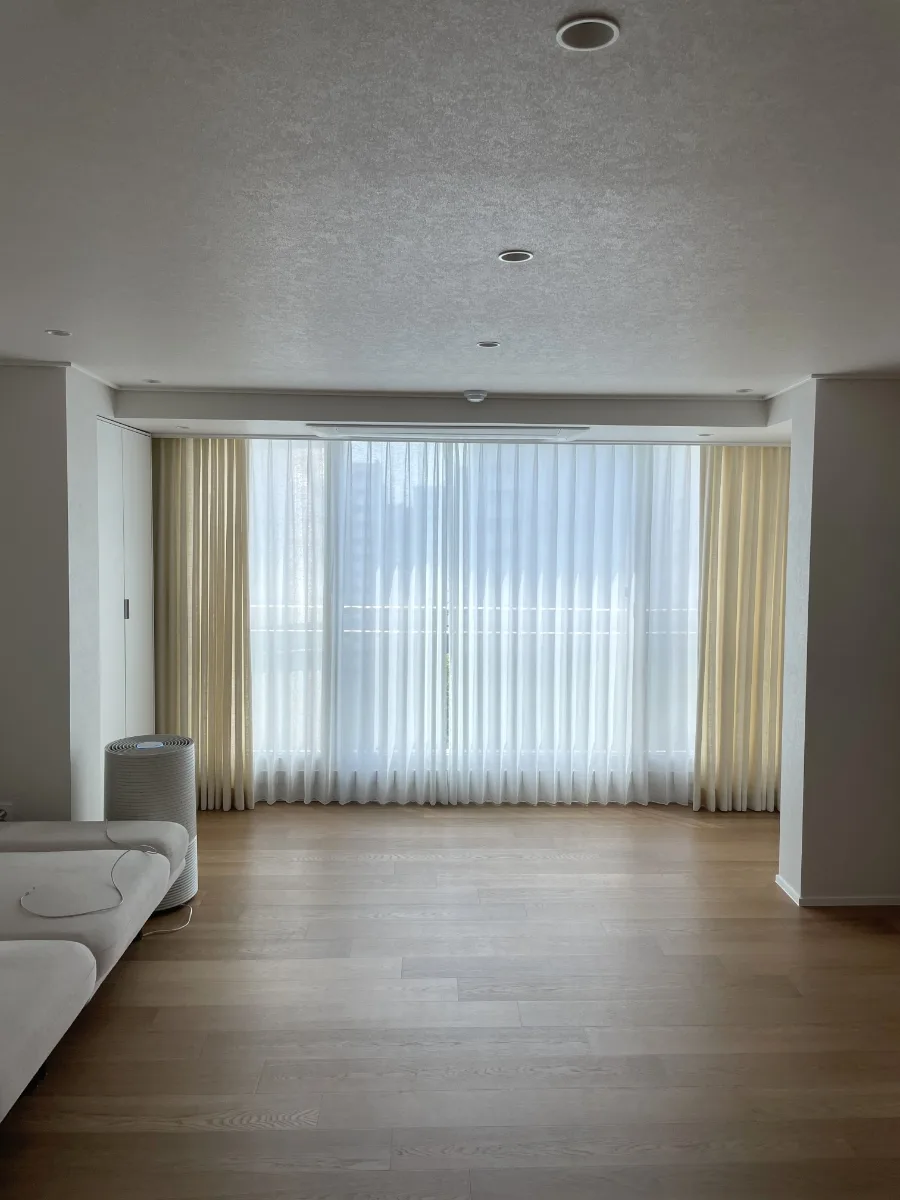
Korean room divider walls are a key element for enhancing both the functionality and aesthetics of your home. Installing a divider clarifies the purpose of each space, blocks noise and sightlines, and can more than double the overall interior design's completeness. As of 2026, installing a standard drywall partition typically costs between $15-$25 per square foot.
Why Do Korean Room Dividers Define a Home's Purpose?
A large, open space without dividers can sometimes feel cluttered and lack a clear definition of its purpose. For instance, it might be unclear if an area is a living room or a study, a relaxation zone or a workspace, leading to a sense of confusion. However, installing a room divider allows you to assign a unique name and purpose to each section. In one interior design project, a homeowner, after facing an empty space post-demolition, expressed satisfaction, saying, 'This is my space now!' after the dividers were installed. A room divider is more than just a physical wall; it plays a crucial role in giving each area its own distinct identity.
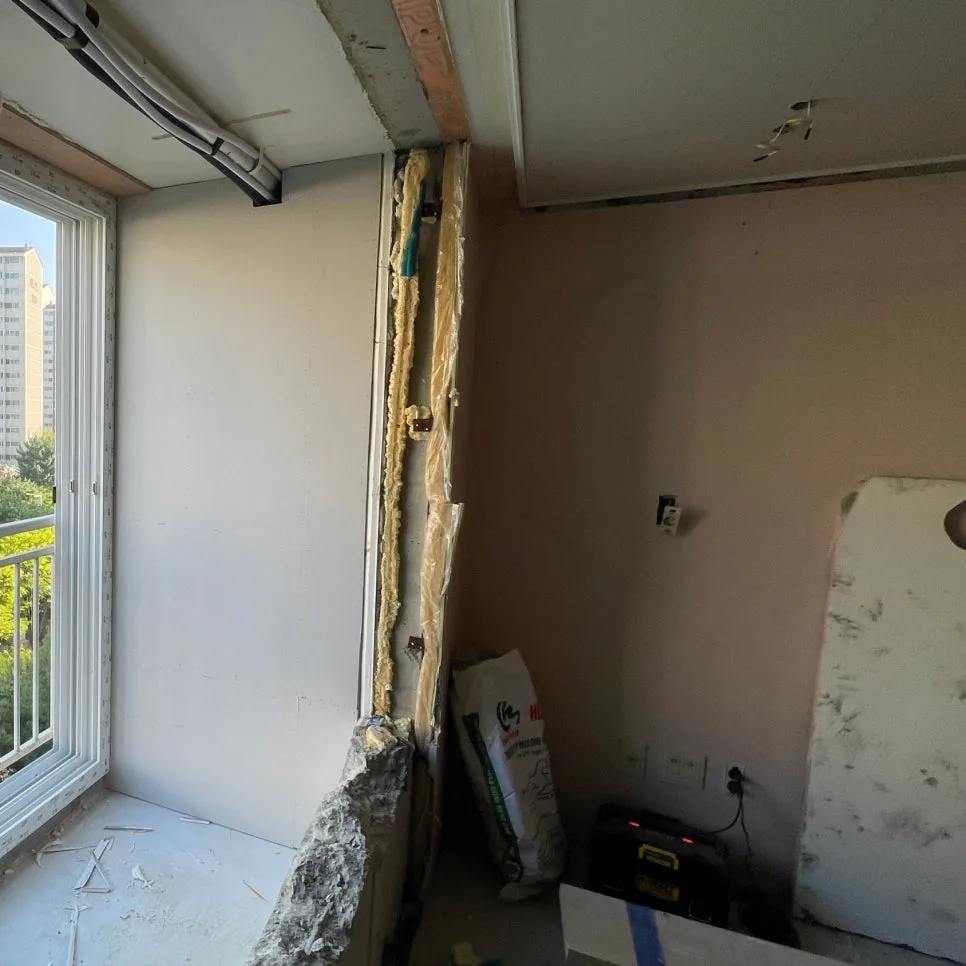
After demolition, the process of marking guidelines for the room divider installation begins. Ensuring precise horizontal and vertical alignment is critical at this stage.
What Impact Do Room Dividers Have on Noise and Sightline Blocking?
Without proper dividers, it's common for living room TV noise to travel into bedrooms or for kitchen odors to spread throughout the house. Family members might also feel a lack of personal space from each other. However, a well-installed room divider can significantly resolve these issues. It reduces sound transmission and effectively blocks sightlines, clearly delineating each person's area. Especially with the recent increase in remote work, requests for room dividers to create dedicated home office spaces are rising. This demonstrates that room dividers are not just about dividing space but are practical solutions that enhance quality of life.
Why is Wood Frame Construction Crucial for Room Dividers?
The durability and stability of a room divider are determined by its wooden frame, known as studs. Typically, the stud spacing is maintained between 12-16 inches (300-400mm). If the spacing is wider, the wall structure can become weak, leading to wobbling over time or the finishing material detaching. The order of installation is also important: first fix the top and bottom plates, then insert the vertical studs. Reversing this order can cause the wall's verticality to skew. Cases where we receive calls within a year about a shaky divider are often due to neglecting this frame construction phase. Therefore, careful attention to the framing process is essential for a sturdy room divider.
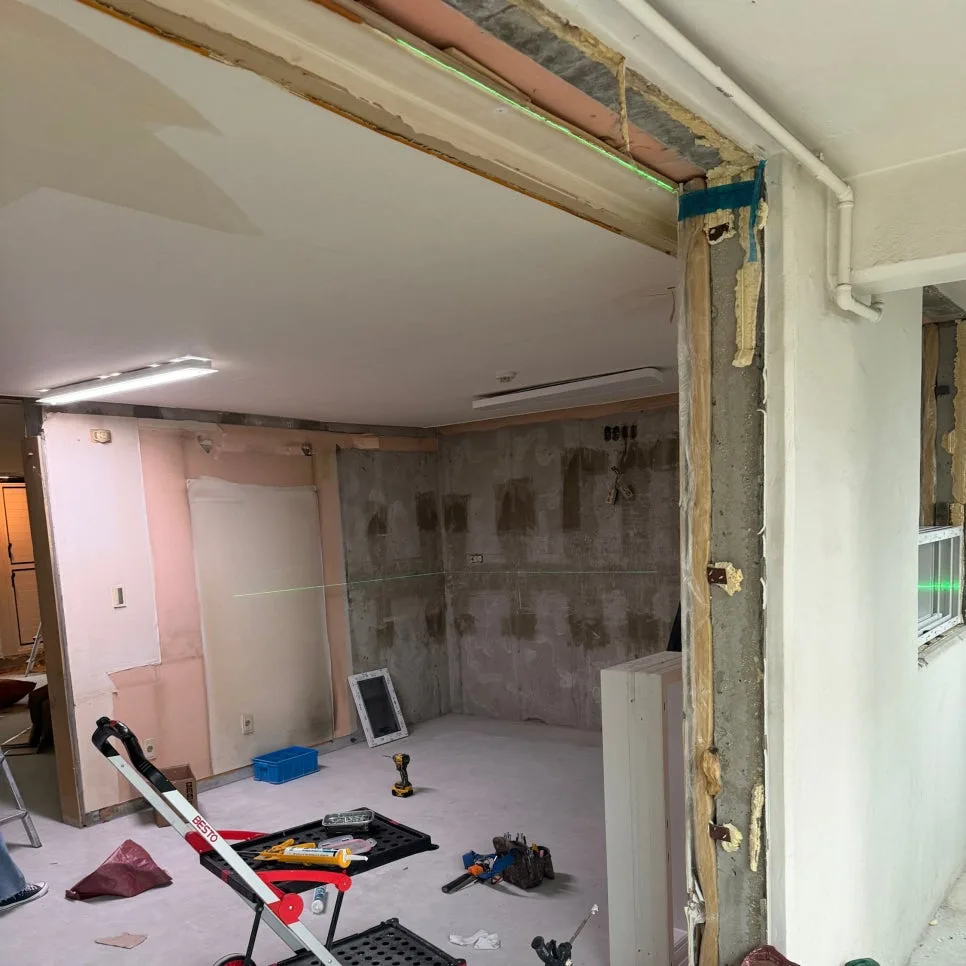
A wooden stud frame for a room divider being constructed. The robustness of this frame determines the divider's lifespan.
What Should Be Considered During Room Divider Finishing and Painting?
Once the divider's frame is complete, the surface is finished with materials like drywall or MDF panels. It's crucial that the seams of these panels align with the center of the studs. If the seams are off-center, they can widen over time, or cracks may appear during the painting process. After attaching the boards, joint compound (putty) is used to fill seams and screw holes, followed by sanding to create a smooth surface for a clean paint finish.
For more details, check the original source below.