The secret to transforming your living room's atmosphere often lies in a single element: curtains. In Korean interior design, the thoughtful selection and placement of curtains can dramatically soften a space, creating a sense of calm and order. This guide explores how a minimalist approach to living room curtains, focusing on light filtering and clean lines, can elevate your home's aesthetic, drawing inspiration from popular K-interior trends.
How Can Curtains Redefine a Living Room's Vibe?
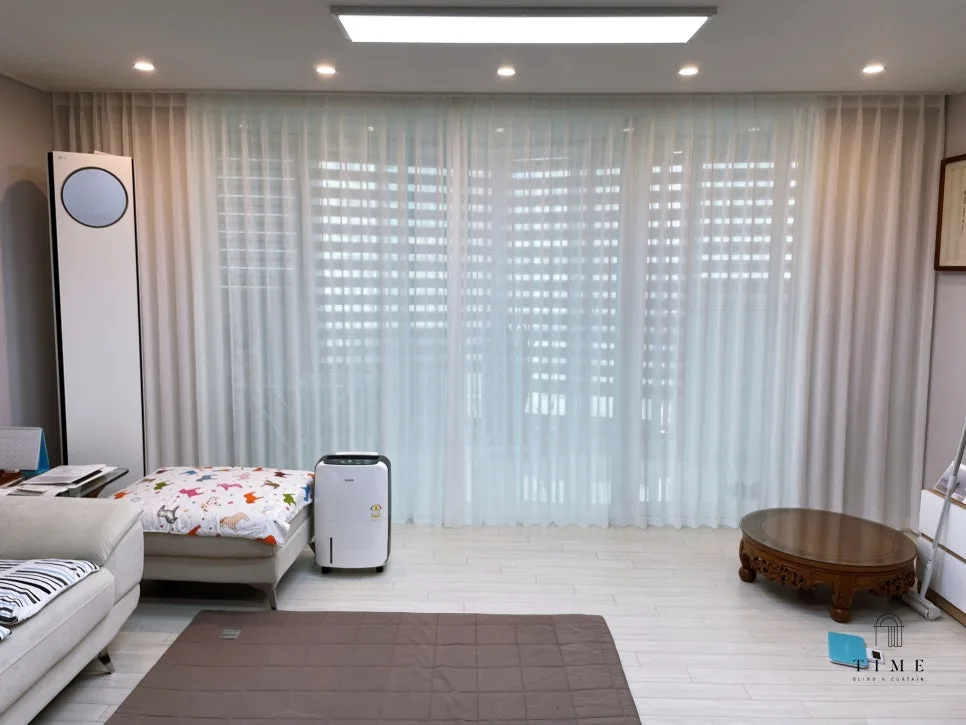
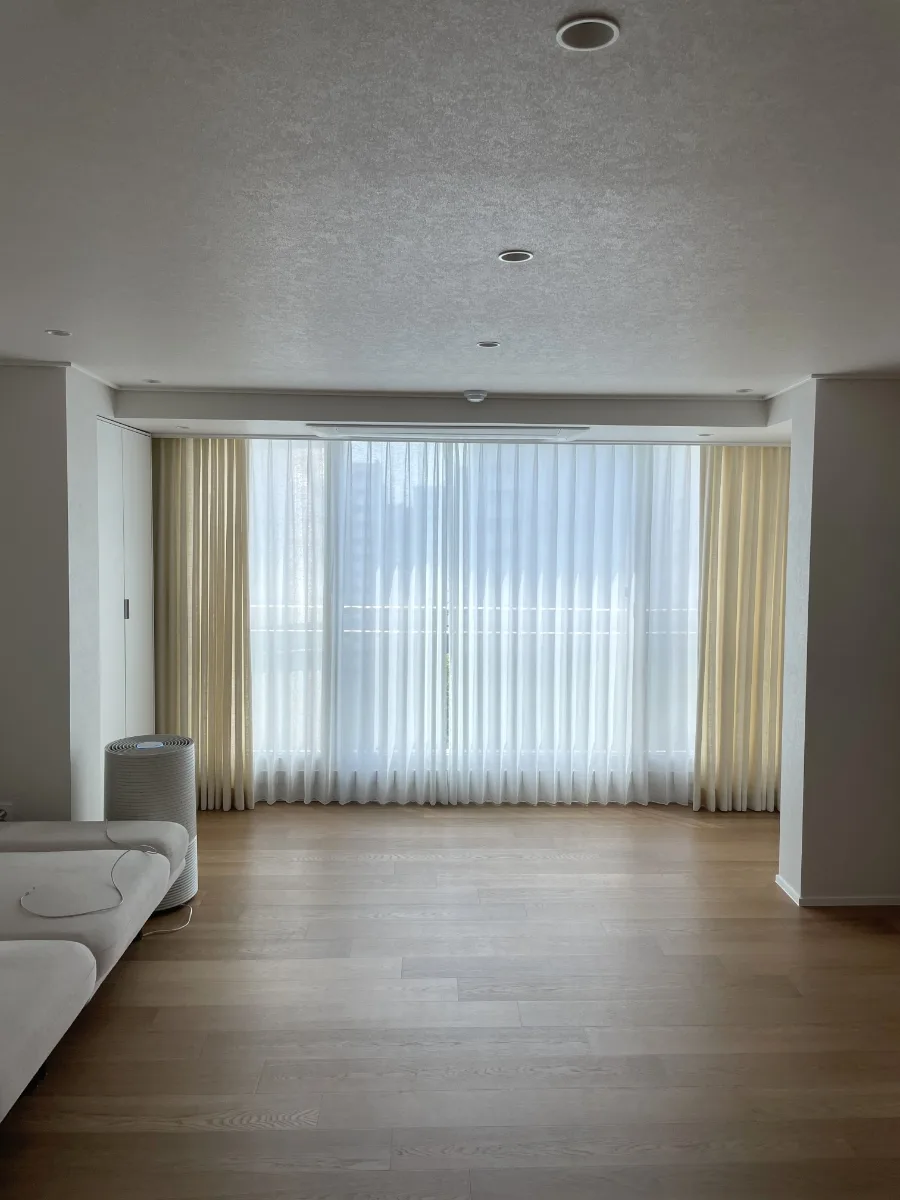
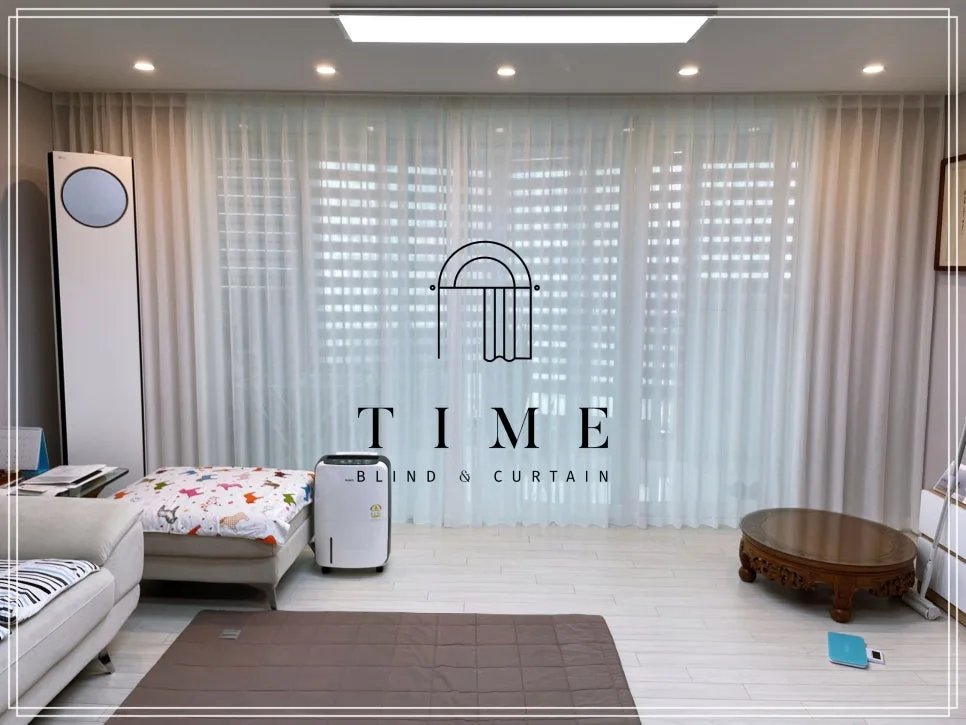
In Korean homes, especially those embracing a minimalist aesthetic, curtains are more than just window coverings; they are key design elements. For instance, in a spacious living room like the one in the Solnae Maeul Dong-a apartment in Jeonju, the interplay between sheer chiffon curtains and elegant outer drapes can create a profound visual impact. The goal is to filter harsh sunlight, creating a gentle, diffused glow that makes the entire room feel more inviting and serene. This approach avoids overwhelming the space with heavy fabrics or complex patterns, instead opting for simplicity that enhances natural light and a sense of spaciousness. Korean interior experts often emphasize how this subtle yet impactful use of textiles can set the mood for the entire home.
What's the Strategy for Minimalist Living Room Curtains?
The power of curtains in minimalist Korean interior design lies in their ability to simplify while enhancing. In the case of the Solnae Maeul Dong-a apartment, the focus was on a dual-layer system: a white sheer chiffon curtain paired with a complementary outer curtain. The chiffon layer acts as a soft veil, diffusing the intense Korean sunlight into a gentle, ambient light perfect for daily living. This creates a cozy and comfortable atmosphere without blocking the light entirely. The outer curtain then provides structure and a clean finish, framing the window beautifully. This layered approach ensures the space feels open and airy, a hallmark of popular K-interior styles seen in places like IKEA or CB2 showrooms, while maintaining a sophisticated, uncluttered look. This method proves that a single window treatment can significantly impact the perception of space and light.
What Are the Pros and Cons of Curtain-Only Living Room Design?
Opting for curtains as the sole window treatment in a living room, as seen in the Solnae Maeul Dong-a apartment example, offers distinct advantages. The primary benefit is the creation of a soft, orderly ambiance that makes the entire home feel more welcoming and put-together. By carefully selecting fabrics and colors, you can make a room appear larger and brighter, even with minimal decor. The gentle diffusion of light through sheer curtains provides a warm, cozy environment, ideal for relaxation. However, a potential drawback is the limited light-blocking capability of sheer curtains. If complete darkness is desired for activities like home theater viewing or during bright summer days, additional blackout blinds or heavier drapes might be necessary. This is a common consideration for those seeking the Korean apartment style, balancing aesthetics with practical light control.
What Common Mistakes Should Be Avoided When Choosing Living Room Curtains?
A frequent misstep in selecting living room curtains is prioritizing aesthetics over functionality or spatial context. Many homeowners choose curtains based solely on color or pattern, overlooking crucial factors like the room's size, natural light levels, and the desired mood. For instance, heavy, dark curtains can make a small living room feel cramped and gloomy, while overly sheer fabrics might offer insufficient privacy or glare control. It's also essential that the curtain's length and width are appropriate for the window size to maintain visual balance. To avoid these pitfalls, consider the overall Korean aesthetic you're aiming for – whether it's the clean lines of Muji-style minimalism or a more layered, textured look. Consulting with an interior designer or utilizing online visualization tools can help ensure your curtain choice complements, rather than detracts from, your living space. This careful consideration is key to achieving the sought-after Korean home decor look.
English crawl path
Next English reads from this pilot cluster
Continue through the category hub, latest English stories, and related posts so this translated article is not an isolated URL.
Tags
💬Frequently Asked Questions
What should I check first in Korean Minimalist Living Room Curtains 2026 Guide?
Does this Home & Interior article link back to the Korean source?
Where can I find similar English stories?
English discovery path
Explore more English K-culture stories
Keep browsing the indexed English pilot cluster so Google and readers can move between this story, the category hub, and fresh discovery pages.
Original Source
Read the Korean original