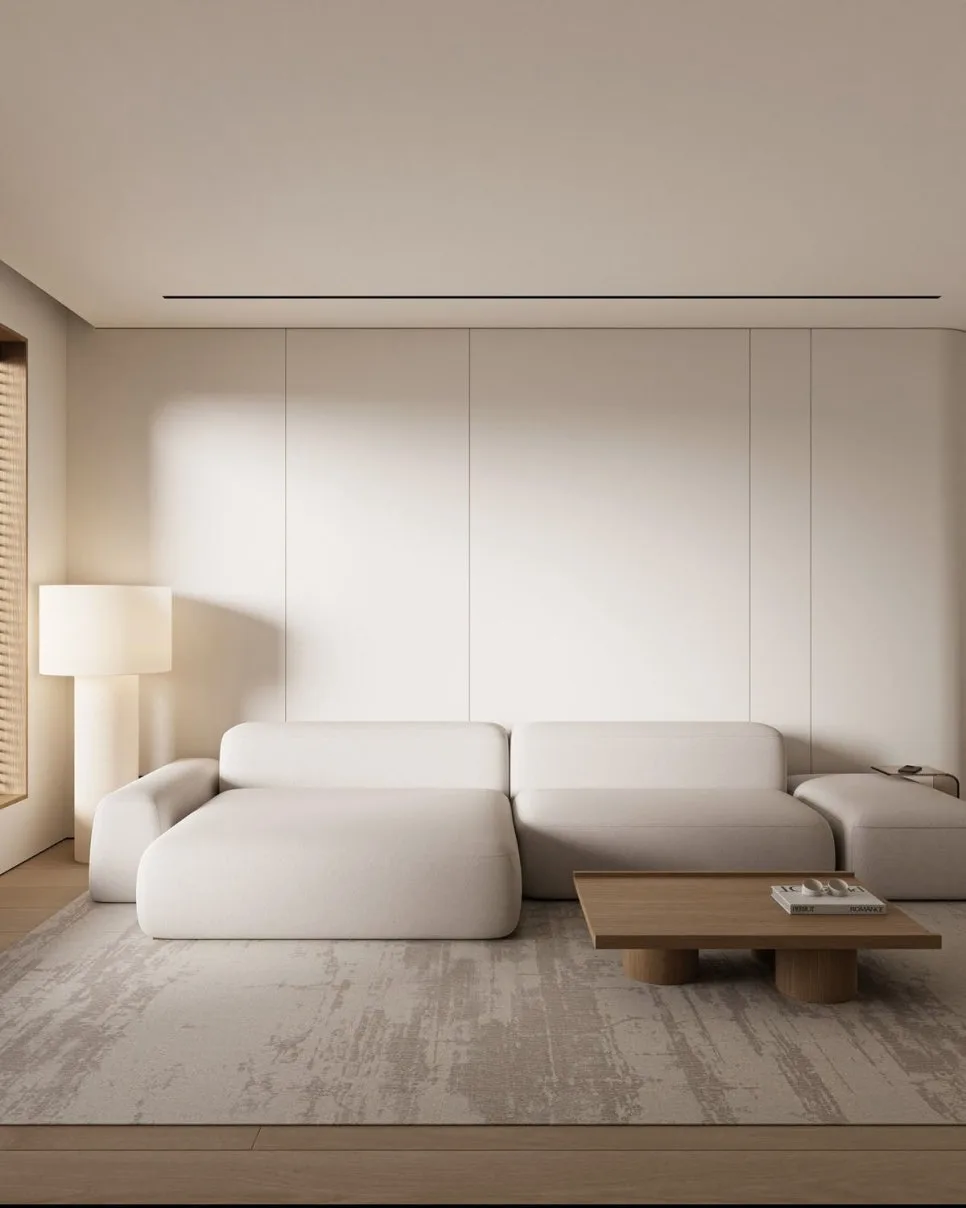
Korean minimalist interior design, often called K-interior, is transforming US homes by creating seamless, expansive living spaces. This approach minimizes visible transitions between walls, ceilings, and floors, making rooms feel significantly larger and more cohesive. It's a stark contrast to traditional Western homes with abundant moldings, offering a cleaner, more modern aesthetic that's gaining traction among US homeowners seeking a serene, uncluttered environment. This guide explores the benefits and practical application of this popular Korean design trend for 2026.
Why is Korean Minimalism So Popular for Home Expansion?
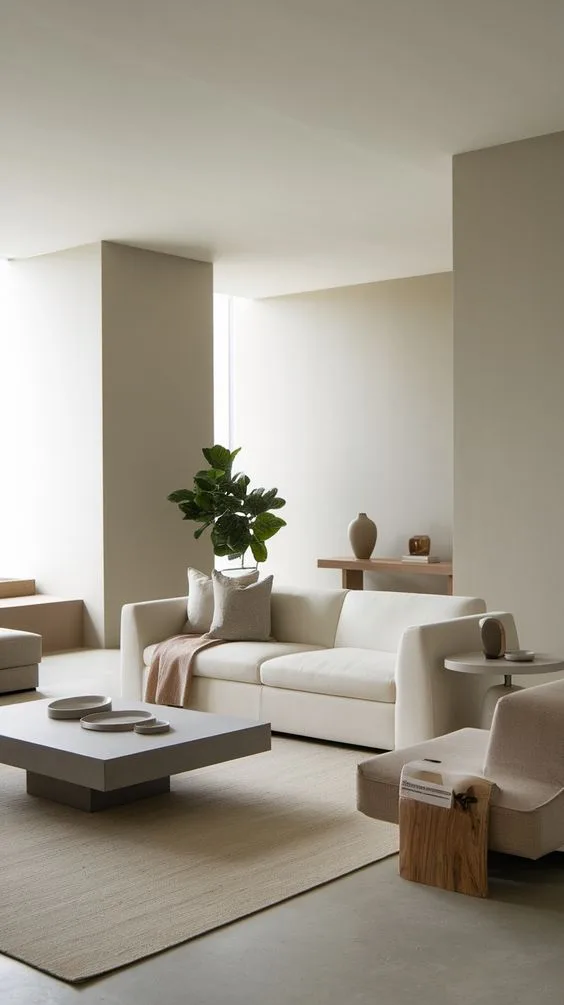
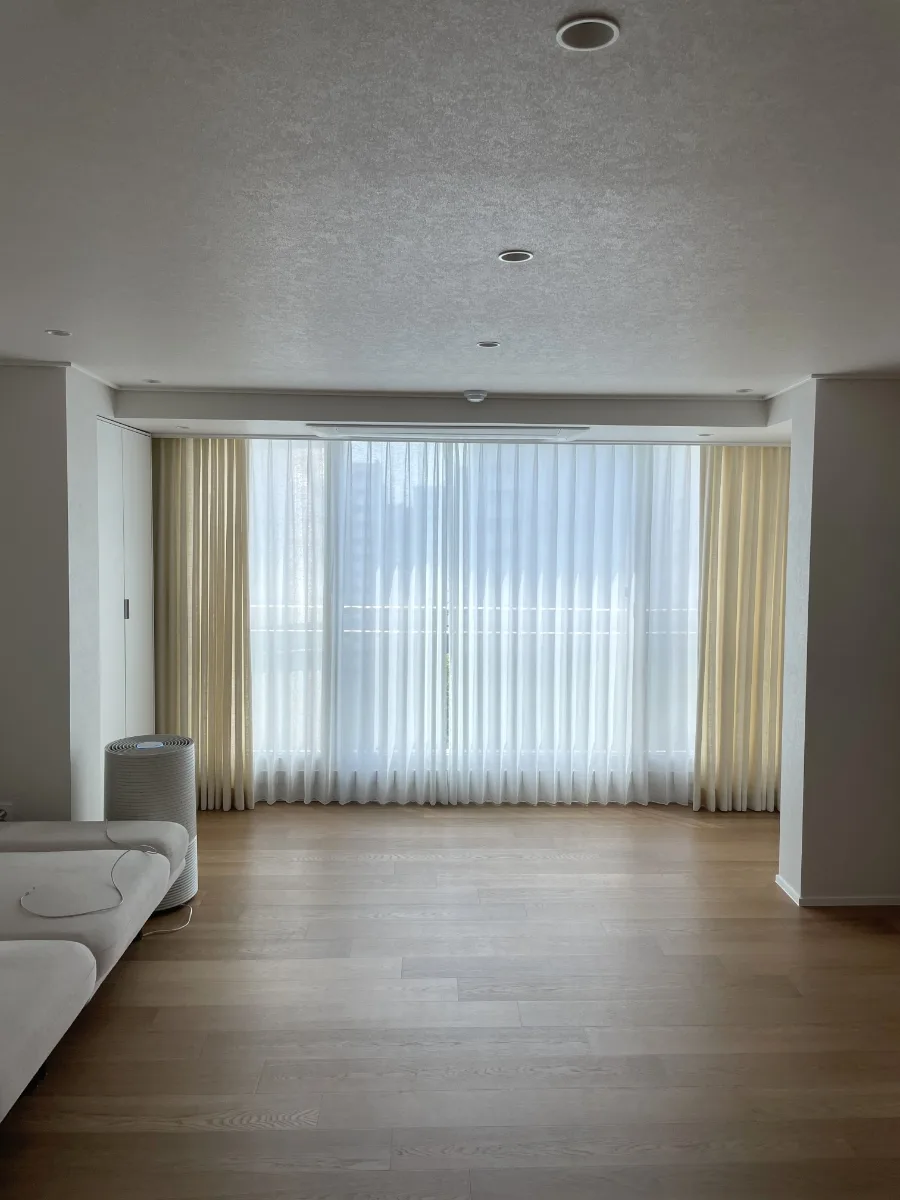
The core appeal of Korean minimalist interior design lies in its ability to visually expand interior spaces by minimizing architectural divisions. Traditional Western homes often feature prominent moldings around ceilings and baseboards, which, while decorative, can create visual breaks that make rooms feel smaller. K-interior, by contrast, either eliminates these moldings or uses ultra-slim, often flush-mounted profiles. This creates a continuous visual line, allowing the eye to travel uninterrupted across surfaces. The effect is a dramatic increase in perceived space, making even modest apartments, particularly those around 1,000-1,500 sq ft (approx. 30 pyeong), feel more open and airy. This design philosophy aligns perfectly with the growing US demand for decluttered, mindful living spaces, often drawing inspiration from brands like MUJI and IKEA for their clean lines and functional aesthetics.
What Are the Benefits of Seamless Baseboards (No Baseboard Design)?
Integrating a