This guide explores the key features of a 33-pyeong (approx. 1,090 sq ft) Korean minimalist home interior, focusing on a white and wood aesthetic designed for newlyweds with a baby. It highlights safety features like shock-absorbent flooring and soundproof doors, alongside practical kitchen modifications for enhanced openness and child supervision, creating a cozy and functional living space.
What are the core elements of a White & Wood Korean minimalist interior for a 33-pyeong home?
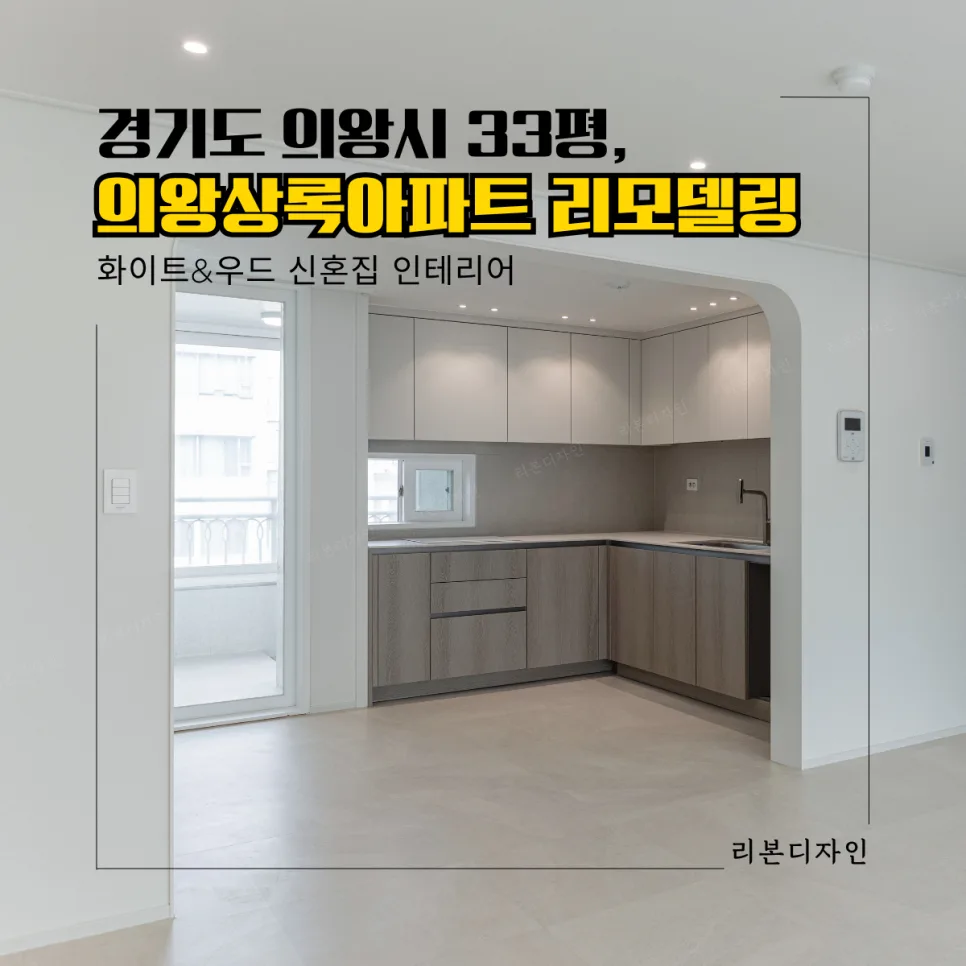
This 33-pyeong (around 1,090 sq ft) apartment interior in Uiwang, South Korea, was designed for a young couple with a newborn, blending safety and aesthetic appeal through a white and wood color palette. Prioritizing child safety, the renovation includes shock-absorbent flooring and soundproof, insulated doors (like mid-doors and turning doors) to minimize external noise and temperature fluctuations. The kitchen layout was reconfigured by removing a non-load-bearing wall and installing a rounded gate, which not only enhances the sense of space but also allows parents to easily supervise their child while cooking. The overall design uses a harmonious balance of bright white tones and warm wood accents to create a cozy and inviting atmosphere, reflecting popular Korean home decor trends.
How is a 33-pyeong new home interior designed for a family with a child?
Related Articles
Designing a new home for a family with a child requires a strong focus on safety and convenience. In this 33-pyeong (approx. 1,090 sq ft) renovation, the living room was expanded to create a spacious play area for the child. For flooring, a durable 2.2T (approx. 0.08 inches) 'Urban Stone Beige' vinyl was chosen for its excellent shock-absorption properties, protecting little ones during playtime. A soundproof mid-door was installed at the entrance to effectively block external noise and temperature variations, ensuring a quiet and comfortable environment for the baby. The kitchen, previously sectioned off by a wall, now features a rounded archway. This design not only visually expands the space but also allows parents to keep an eye on their child in the living area while preparing meals, a highly practical consideration for busy parents.
What factors should be considered during kitchen and bathroom remodeling?
When remodeling a kitchen, it's crucial to balance aesthetics with functionality and safety. For this Uiwang apartment, the kitchen features a combination of Hanssem's 'Milan 100 Mood Beige' and 'Mood Gray Oak' cabinets, creating a bright and spacious feel. The countertop is made of 12T (approx. 0.47 inches) engineered stone, chosen for its durability and hygienic properties, making it ideal for preparing baby food. Integrated storage solutions, including a refrigerator cabinet and a cabinet with built-in lighting for a cafe-like corner, enhance usability. For bathrooms, meticulous attention should be paid to waterproofing and ventilation systems due to high moisture levels. Using non-slip tiles is also essential for safety. Given that renovation needs vary based on individual circumstances, consulting with a professional interior designer is highly recommended to ensure all necessary aspects are covered.
What are the best material choices and color combinations for a White & Wood interior?
A white and wood interior design is highly effective in creating a clean yet warm ambiance. White tones make spaces appear larger and brighter, while wood elements add a sense of coziness and comfort. In this 33-pyeong (approx. 1,090 sq ft) home, white walls and flooring serve as the primary canvas, complemented by natural wood accents on kitchen cabinets, doors, and trim for a balanced look. The entryway features beige cabinets and a wood-framed mid-door, establishing a warm and cohesive first impression. For materials, opting for matte white finishes and wood with natural grain patterns can achieve a more sophisticated and timeless aesthetic. Incorporating warm-toned indirect lighting further enhances the cozy atmosphere, making the space feel even more inviting.
What are common mistakes in new home interior design, and how can they be avoided?
A frequent pitfall in new home interior design is the tendency to create overly uniform spaces or to prioritize fleeting trends over practicality. For instance, an all-white palette can sometimes feel sterile, and may not be the most forgiving choice for homes with young children prone to spills and marks. Similarly, excessive storage solutions can inadvertently make a space feel cramped. To avoid these issues, it's essential to design with the couple's lifestyle and future plans, such as having children, firmly in mind. As demonstrated in this Uiwang apartment example, selecting child-safe materials and thoughtful space division significantly boosts long-term satisfaction. Consulting with an interior design professional is key to understanding the intended use of each area, determining necessary storage, and achieving a harmonious balance in material and color choices.
For detailed renovation specifics, please refer to the original source.