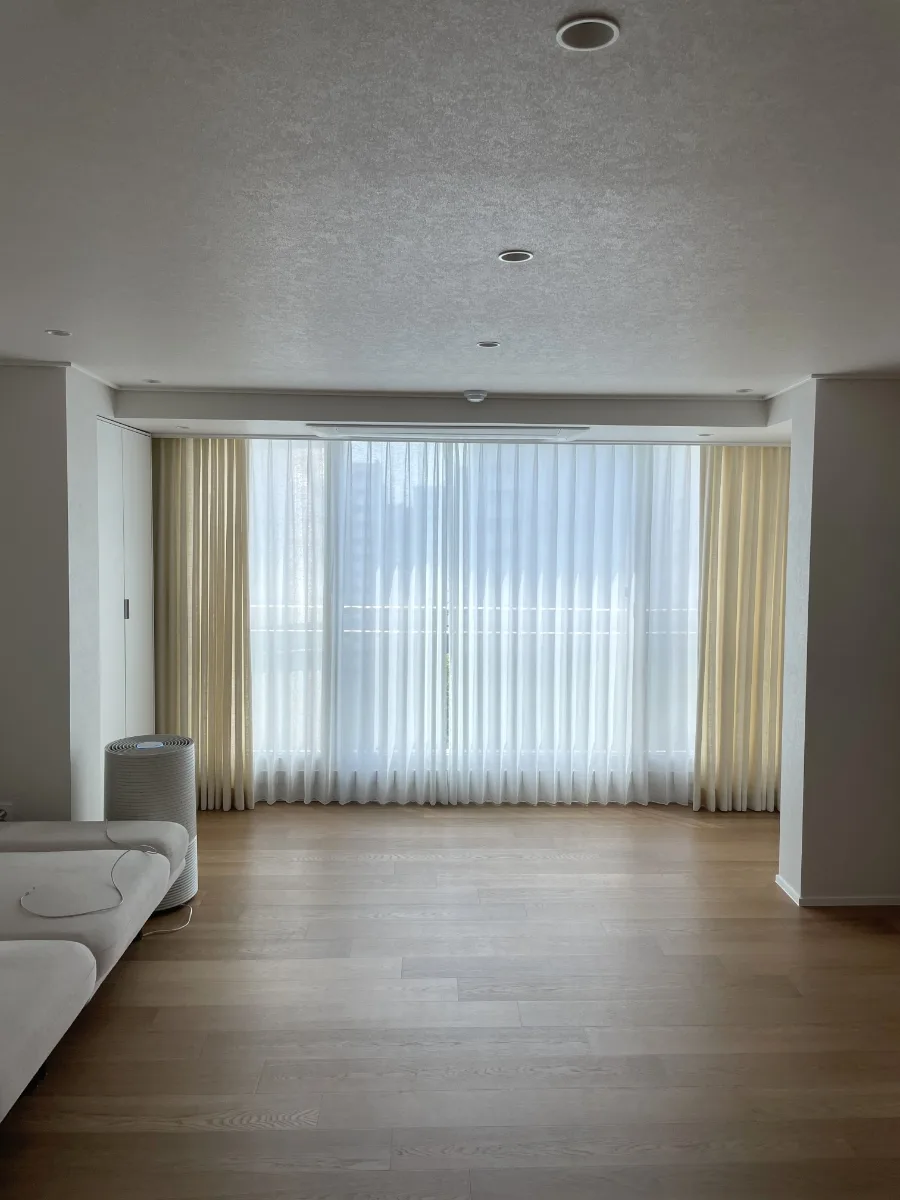
Installing four Samsung WindFree system air conditioners in a Dongtan apartment offers a sleek, integrated look that maximizes living space. Unlike bulky window units, these ceiling-recessed systems provide uniform cooling across rooms, enhancing the clean lines of Korean minimalist interiors. The WindFree feature, a standout in Korean home tech, gently disperses air, eliminating direct drafts for ultimate comfort while energy-efficient inverter technology keeps electricity bills in check. This guide covers the installation process, costs, benefits, and crucial considerations for achieving a modern Korean apartment aesthetic.
Why Choose Korean-Style System Air Conditioners?
When considering a system like Samsung's WindFree, the first step is assessing your home's electrical capacity. The number of indoor units and the horsepower of the outdoor unit dictate the required electrical load. For instance, a setup with four indoor units (one 18,000 BTU for the living room, one 6,000 BTU for the master bedroom, and two 5,000 BTU units for smaller rooms) paired with a 4 HP outdoor unit requires careful electrical planning. In Korea, energy efficiency is paramount, so opting for 1-등급 (Grade 1) inverter models, like the ones installed here, is standard. These units intelligently adjust compressor speed to maintain your desired temperature, significantly reducing energy consumption compared to traditional on/off systems, especially during extended use in hot summer months. This focus on efficiency aligns perfectly with the Korean minimalist ethos of smart, sustainable living.
Real-World Korean System AC Installation: Dongtan Park Prugio
This installation took place in the Dongtan Park Prugio apartment complex, featuring four Samsung system air conditioners. The configuration included one 4 HP outdoor unit, a 18,000 BTU indoor unit for the main living area, a 6,000 BTU unit for the master bedroom, and two 5,000 BTU units for secondary bedrooms. The 18,000 BTU unit ensures even cooling throughout the spacious living room, making every seat comfortable. The inclusion of a dehumidification mode is a key feature for combating Korea's humid summers, maintaining a pleasant indoor climate. The 6,000 BTU master bedroom unit operates quietly, crucial for undisturbed sleep. Users can leverage individual remote controls for each indoor unit, allowing for customized temperature and fan speed settings in every room. This granular control prevents energy waste by only cooling occupied spaces, a hallmark of efficient Korean home management.
System AC Management: Remotes, Outdoor Units, and Drainage
Each indoor unit comes with its own remote control, offering independent operation for personalized comfort. You can adjust cooling temperature, fan speed, and modes like dehumidification to suit individual preferences in each room. The outdoor unit is securely mounted using brackets within a designated indoor space, protecting it from external weather elements and ensuring long-term stability. This placement is common in modern Korean apartments. Safety checks include ensuring the unit is connected to a reliable circuit breaker. Post-installation, a critical step is vacuuming the refrigerant lines. This process removes any residual moisture and contaminants, ensuring optimal refrigerant flow and peak performance. Proper drainage is also essential; the condensate drain lines are carefully installed to ensure efficient water removal, preventing potential water damage or ceiling stains that can mar the clean aesthetic of a K-interior design.
Key Considerations for System AC Installation in Korea
Installing system air conditioners requires specialized expertise. Critical steps like verifying electrical capacity, vacuuming refrigerant lines, and ensuring proper condensate drainage directly impact the unit's performance and longevity. It's vital to use installers certified by manufacturers like Samsung or LG, who understand the nuances of Korean building codes and appliance integration. Opting for companies that provide an 'installation 실명제' (installation name registration) system ensures accountability from start to finish. These specialized installers often focus on energy-efficient inverter models, providing tailored cooling and dehumidification solutions for various apartment sizes. Given the high demand during warmer months, booking your installation well in advance is highly recommended to secure your preferred date. Consulting with a professional installer is key to determining the optimal system configuration for your specific home and needs, ensuring a seamless integration into your Korean apartment style.
For more details, check the original source below.