Korean interior design, often called K-interior, emphasizes a warm, clean, and minimalist aesthetic that enhances daily living. For a 33-pyeong (approx. 1,100 sq ft) apartment, this approach can transform it into a cozy, sophisticated haven, especially for newlyweds, by focusing on a unified color palette and functional layouts. The design philosophy centers on creating spaces that positively influence behavior and improve quality of life, making even smaller apartments feel more open and harmonious.
What is the Korean minimalist apartment aesthetic?
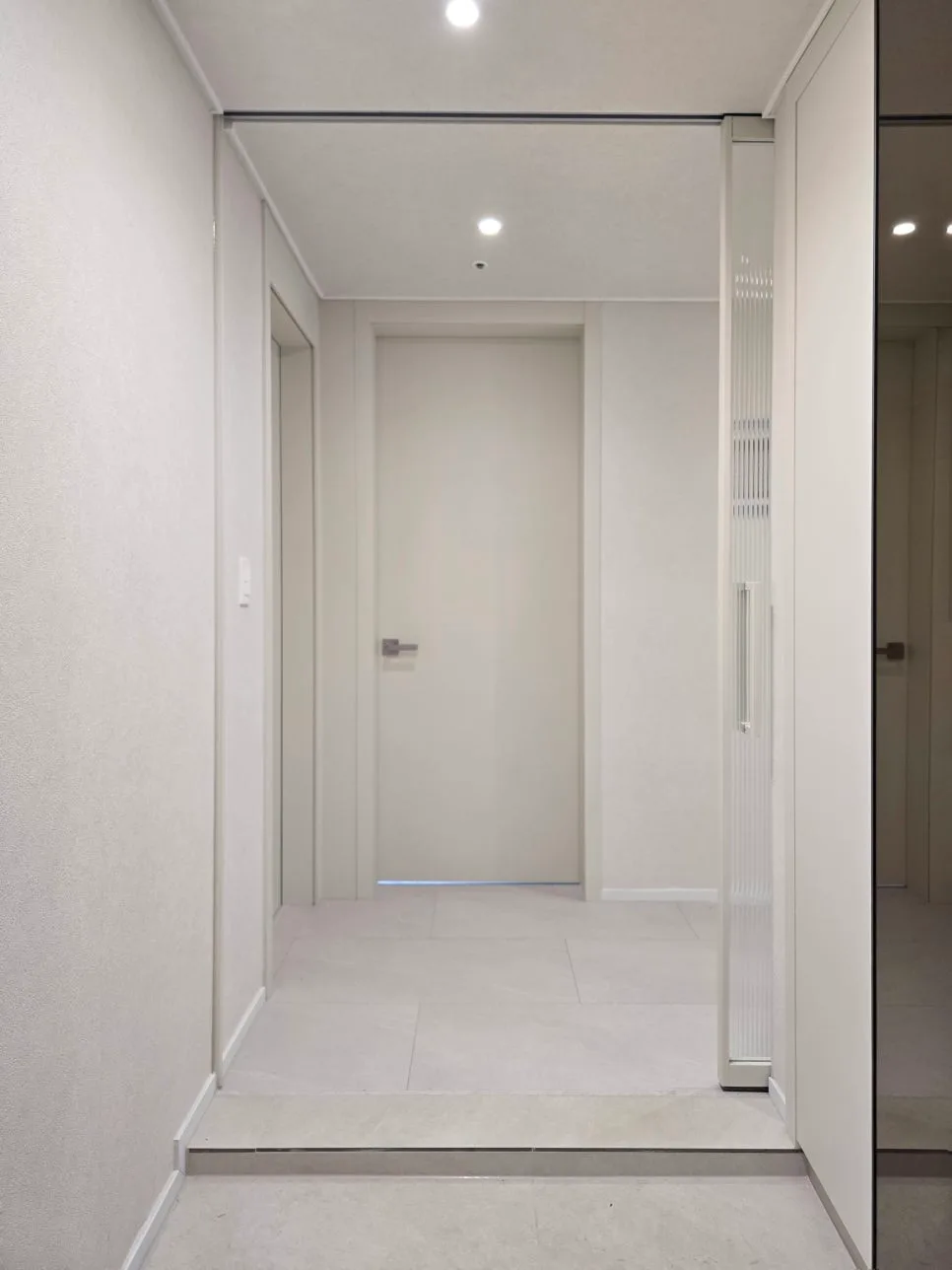
The Korean minimalist apartment aesthetic, often seen in popular K-interior designs, prioritizes a clean, uncluttered, and warm ambiance. It typically features a neutral or muted color palette, natural materials like wood and stone, and an emphasis on natural light. Unlike stark Western minimalism, K-interior often incorporates softer textures and subtle pops of color to create a more inviting and lived-in feel. This style is perfect for creating a serene sanctuary, especially in urban settings like Seoul apartments. Brands like MUJI offer a similar vibe, and US retailers such as CB2, West Elm, and even IKEA provide pieces that can help achieve this look. The goal is to create a functional yet aesthetically pleasing space that promotes well-being and harmony.
How can I achieve a warm and clean Korean interior design?
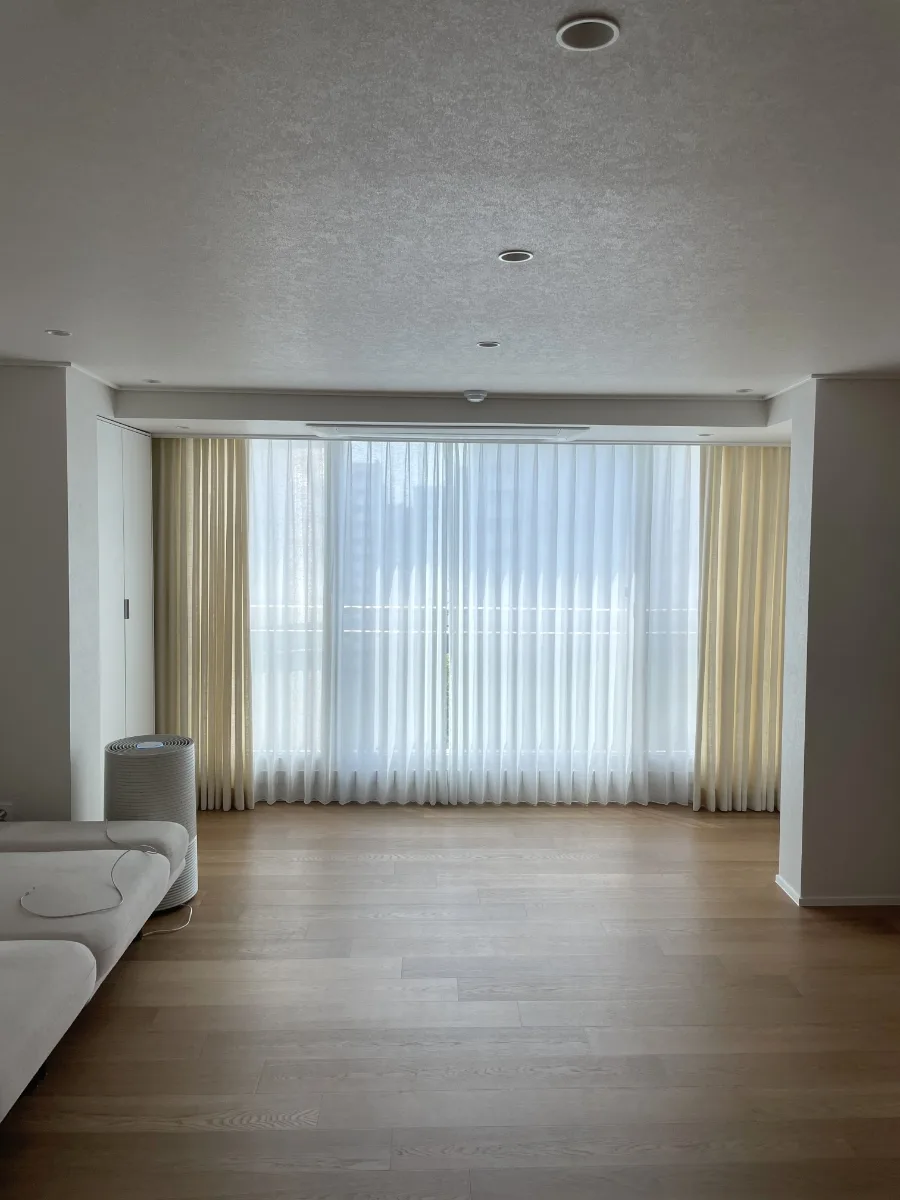
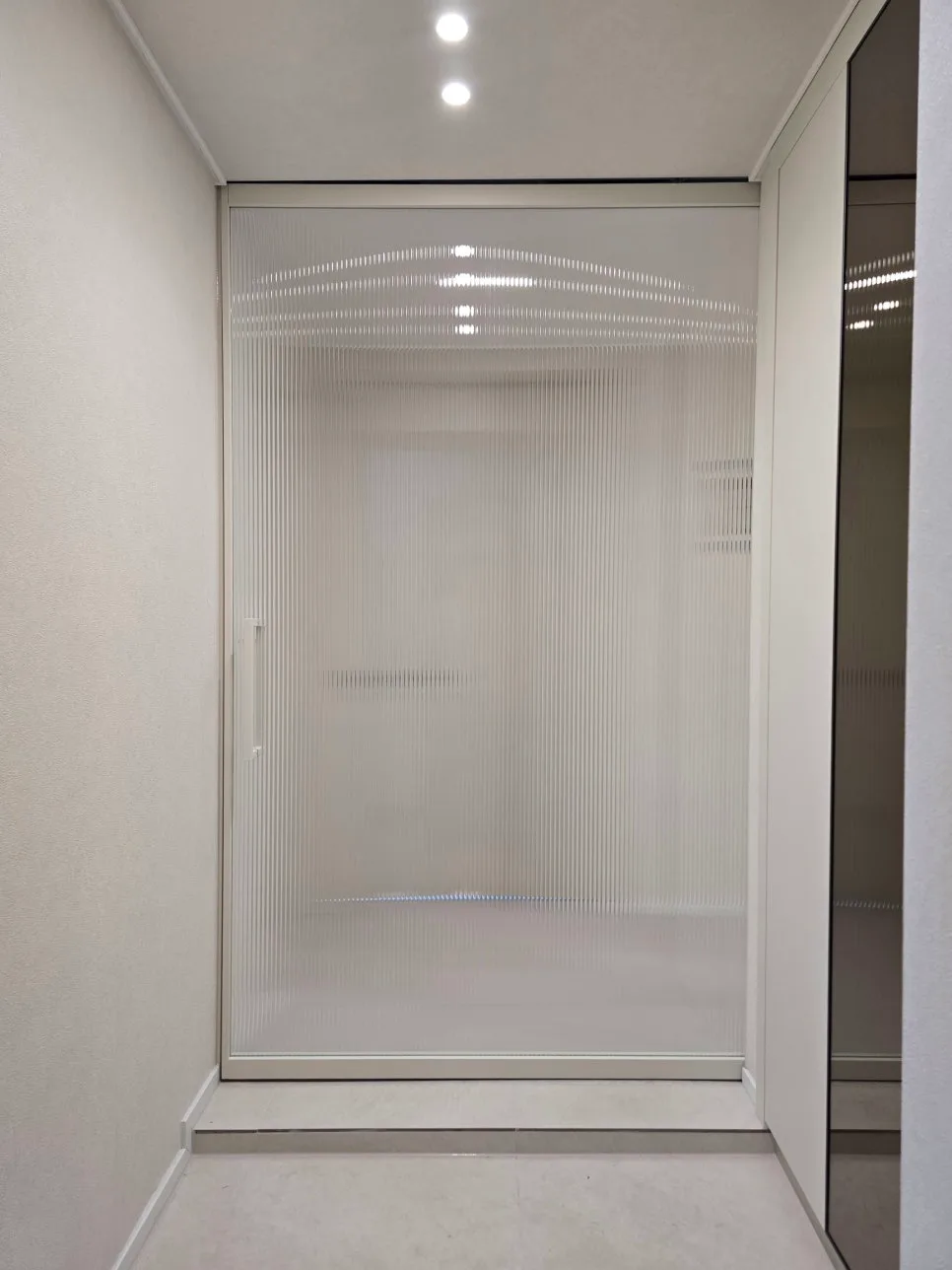
Achieving a warm and clean Korean interior design involves thoughtful material selection and color coordination. For a 33-pyeong (approx. 1,100 sq ft) apartment, consider a unified base tone throughout the main living areas to maximize the sense of space and flow. For instance, using a soft, neutral like cream or light beige on walls and larger surfaces creates a calming backdrop. In the entryway, opt for durable yet stylish flooring like large-format porcelain tiles (e.g., 600x600mm) and a sleek, modern door finish. A single-sliding partition door can elegantly divide spaces while maintaining an open feel. In the living and kitchen areas, maintaining this consistent color scheme enhances the feeling of spaciousness. For bathrooms, high-quality porcelain tiles paired with minimalist fixtures from brands like American Standard can add a touch of modern luxury that is also easy to maintain. Efficient storage solutions in areas like dressing rooms are also key to maintaining the clean aesthetic.
What is the design philosophy behind Korean home decor?
The core philosophy driving much of Korean home decor, particularly in modern K-interior, is that 'space shapes behavior.' This principle suggests that the design and layout of a living environment can significantly influence the occupants' actions, mood, and overall quality of life. Designers aim to create spaces that are not only visually appealing but also highly functional and conducive to well-being. This often translates into optimizing natural light, ensuring efficient traffic flow, incorporating ample yet discreet storage, and using calming color palettes and natural materials. The aim is to foster a sense of peace, order, and comfort, making the home a true sanctuary from the outside world. This approach is particularly relevant for new homeowners or newlyweds looking to establish a harmonious living environment.
What are key considerations for a Korean-style apartment renovation?
When undertaking a Korean-style apartment renovation, especially for a 33-pyeong (approx. 1,100 sq ft) unit, several factors are crucial. Firstly, understanding the lifestyle and preferences of the occupants is paramount. For newlyweds, this might mean creating distinct zones for relaxation, work, or hobbies, and ensuring sufficient storage to keep the space clutter-free. Secondly, a realistic budget is essential. A full renovation can range from approximately $15,000 to $30,000 USD or more, depending on material choices, design complexity, and the extent of the work. It's wise to allocate an additional 10-15% for unforeseen issues. Given that many Korean apartments, like the Innosity Asiang 1st complex (built around 2020), are relatively modern, extensive structural changes may not be necessary. Focusing on cosmetic upgrades, material enhancements, and smart layout adjustments can yield significant improvements without breaking the bank. Consulting with a designer for a detailed quote based on a site visit is highly recommended.
For more details, check the original source below.