When undertaking a remodel involving Korean interior design, especially wall removal, the most overlooked aspects are safety and clear agreements. Removing interior walls in older buildings, common in Korean apartment styles, can present unexpected risks. This makes a professional contractor's systematic plan and thorough pre-demolition inspection absolutely essential for a safe and successful renovation.
How to Ensure Safety During Korean Wall Removal 2026?
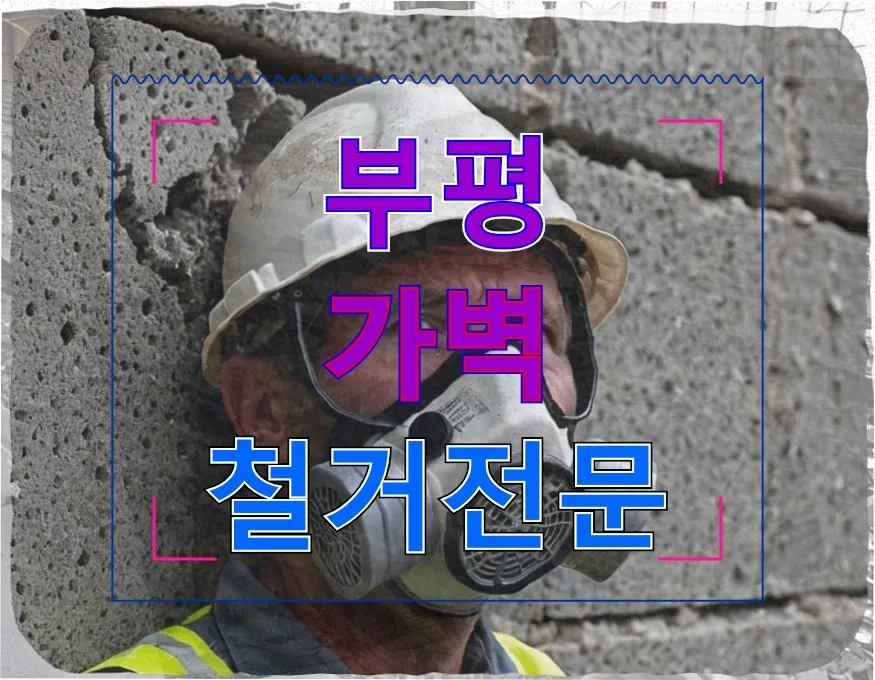
During a recent renovation of a multi-use cultural space in Bupyeong, South Korea, the demolition of an underground partition wall posed significant collapse risks due to its aged structure. In such critical situations, the immediate priority is the safety of the workers involved. I contacted the subcontracting company to meticulously verify the industrial accident insurance (Sanjae insurance) enrollment status for all three workers, their coverage period, and whether their specific tasks were included in the policy. It's crucial to go beyond mere paperwork and actually review the insurance policy documents to confirm coverage details. Ensuring worker safety is paramount; even the most impressive renovation outcome loses its luster if safety is compromised. This rigorous safety check is the first step in preventing unforeseen accidents and avoiding costly project delays.
What to Watch Out For After Wall Removal: Electrical System Restoration
Related Articles
Alongside wall demolition, a critical consideration is the restoration of electrical systems. When old walls are removed, exposed wiring for outlets and switches is common. Relocating and restoring these elements accurately requires significant expertise. Simply including a clause in the contract like 'restore existing electrical systems to original location' can lead to disputes between the client and contractor due to differing interpretations. To prevent this, I documented the precise locations and heights for outlets and switches with the client on-site, taking photos as evidence. We also established a clear agreement for the restoration period, specifying 'notification within 24 hours of discovery, with completion within 14 days.' This process of eliminating ambiguity is vital for enhancing the project's overall quality and ensuring client satisfaction.
The Role of Korean Interior Design Specialists in Wall Removal
The role of specialized Korean interior design firms in wall removal extends far beyond simply tearing down walls. They possess the expertise to identify potential risks in aging structures and propose systematic demolition sequences and methods. For instance, a technique involving partially supporting a weakened basement wall before gradually dismantling it from the top significantly reduces the risk of accidents. It's also important to select a contractor who responsibly manages noise and dust control, as well as the disposal of demolition waste. The systematic site management provided by these expert professionals greatly contributes to shortening the construction timeline and ensuring the smooth progression of the entire project.
Key Takeaways for Successful Remodeling with Wall Removal
The most significant lesson learned from this Bupyeong basement wall removal experience is that demolition is a crucial first step in creating the foundation for a new beginning. To achieve this, first, move beyond vague concerns and thoroughly inspect the actual safety net: the insurance coverage details. Second, for technically sensitive aspects, create clear, documented agreements with the client to eliminate uncertainty. Finally, collaborating with experts who have deep understanding and experience in this field is key to successful remodeling. As a site manager, I've realized that 'professionalism' is not just about technical skill but a comprehensive combination of risk management, communication, and accountability. Remember that risks are controllable when anticipated, and clear agreements lead to high-quality results and trust. This experience reinforces the importance of meticulous planning and transparent communication in Korean home decor projects.
For more details, check the original source below.