For 2026 renovations in Korean apartments like the Uiwang Shinan Apartment, opting for partial interior film application instead of a full remodel can be cost-effective when living in the unit. However, be aware that phased installations may incur additional costs later, requiring careful long-term planning.
Living in Your Apartment: Is Partial Interior Film Renovation Smart? 2026
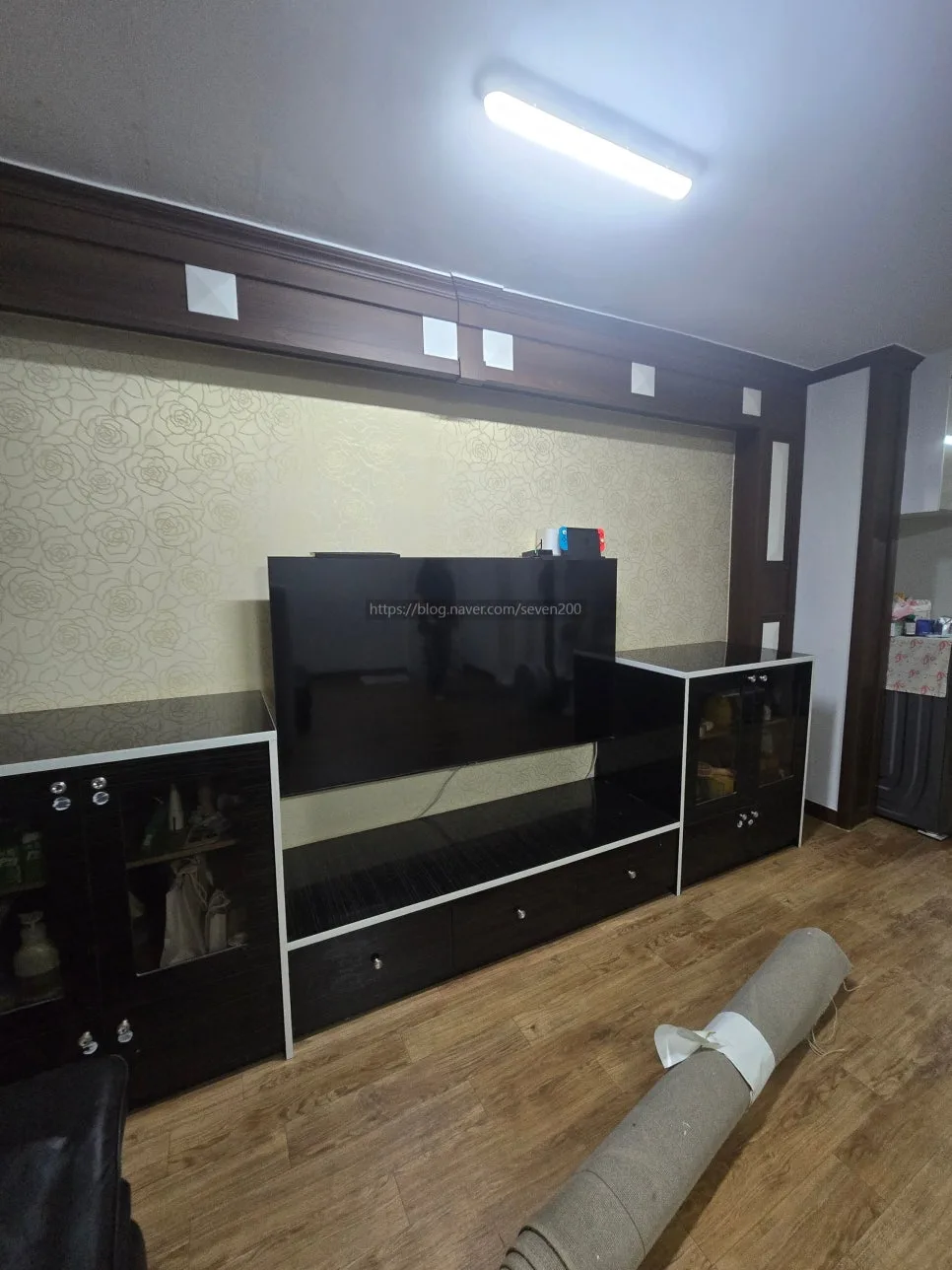
The cost of interior film application is rising, with material prices increasing by over 30% due to external factors like global supply chain issues. What once cost around $70-$80 for materials now exceeds $100-$110. While it's challenging to pass these increased costs directly to clients, maintaining quality is paramount for industry professionals. The Uiwang Shinan Apartment project exemplifies this balancing act. Renovating an occupied apartment presents unique challenges: furniture and belongings must remain, and noise and dust must be minimized. Therefore, selecting and applying film to only essential areas, rather than a complete overhaul, is often the most practical solution for residents.
Why Do Partial Renovations Lead to Higher Costs Later?
Even after a partial interior film application, homeowners may notice other areas that now seem dated or mismatched. For instance, if only the TV accent wall is updated with film, but the ceiling or baseboards remain untouched, the contrast between new and old can be jarring, often prompting a return for further work. The issue is that subsequent, separate installations typically cost more than an initial, comprehensive project. This is due to combined travel fees, base labor charges, and the cost of small material orders. In my experience, undertaking partial renovations in multiple stages can result in overall costs 1.3 to 1.5 times higher than a single, complete installation. This is why contractors often advise clients to wait for a full renovation or a move-out phase, suggesting, "It's better to do only what's essential now and then tackle everything at once when you plan to move or undertake a larger remodel."
Related Articles
Uiwang Shinan Apartment: A Case Study in Selective Application
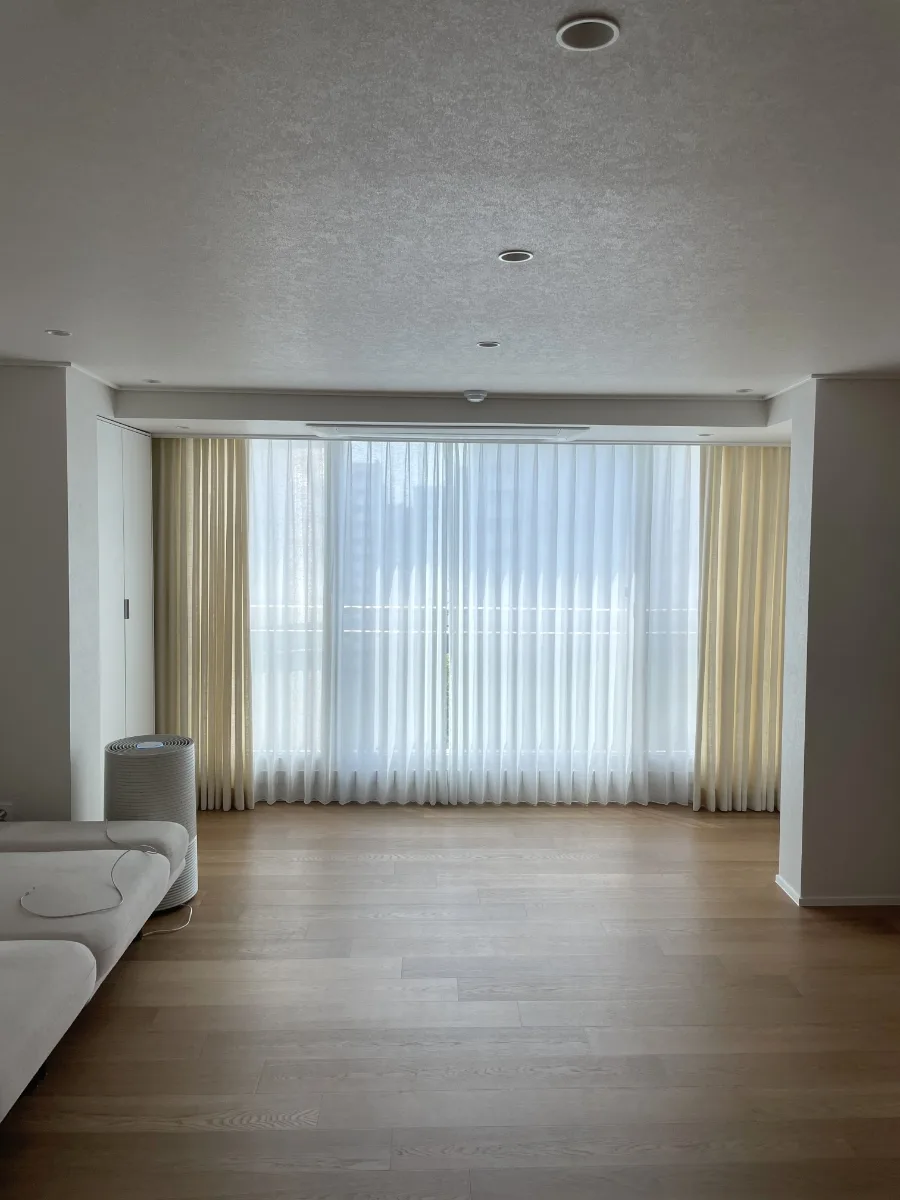
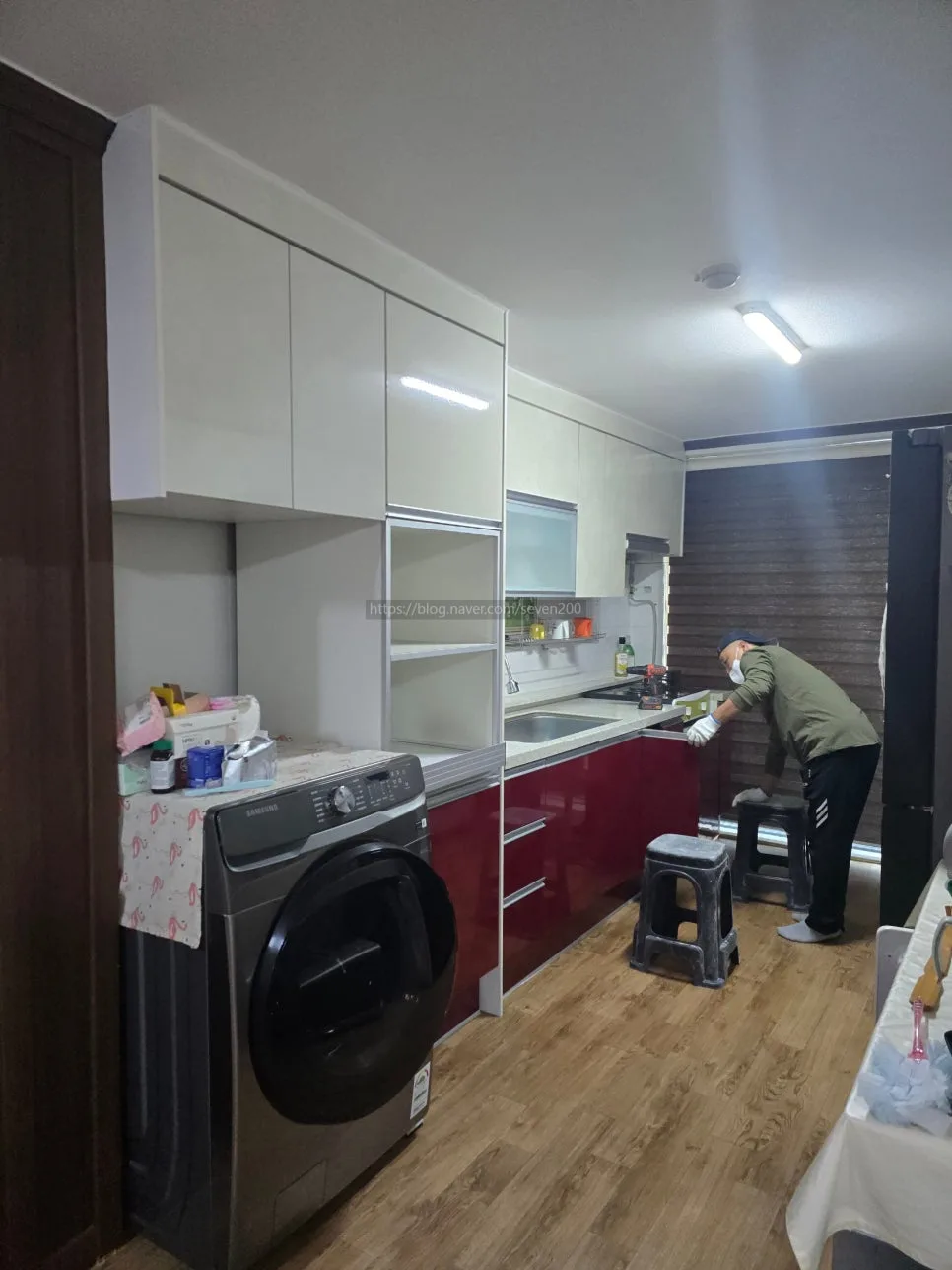
For the Uiwang Shinan Apartment project, considering the client's budget and their continued residence, we focused the application on specific areas: the kitchen cabinets (upper and lower), a section of the living room's accent wall, the entryway shoe cabinet, and the interior side of the main door. Upon arrival, the kitchen cabinets presented a dated look with dark cherry wood on the lower units and a yellowed ivory on the uppers, lacking visual cohesion. We unified them with a matte white solid film, a choice that offers a timeless appeal, expands the perceived space, and creates an organized atmosphere. The client expressed delight, remarking, "Wow, this actually works!" The living room's TV console and lower accent wall featured a dark oak finish common in early 2000s apartments. For this area, we applied a white wood-grain film, providing a subtle texture that brightens the space and aligns with a modern Korean aesthetic. This selective approach demonstrates how targeted interior film application can significantly refresh a home's appearance without the disruption of a full renovation.
Korean vs. Western Interior Design Philosophies
Korean interior design, often referred to as K-interior, frequently emphasizes minimalism, functionality, and a connection to nature, drawing parallels with the Japanese Muji style popular in the US. This aesthetic prioritizes clean lines, natural materials like wood and stone, and a neutral color palette to create serene, uncluttered living spaces. Think of the 'Korean apartment aesthetic' that's gaining traction online – it’s about creating a calm sanctuary. In contrast, Western interior design can be more diverse, often incorporating bolder colors, varied textures, and a wider range of decorative elements. While Western styles might lean towards maximalism or eclectic mixes, K-interior typically favors a more restrained, harmonious approach. For instance, the use of matte finishes and subtle wood grains in Korean design aims for understated elegance, unlike the sometimes more ornate or overtly luxurious feel found in some Western trends. This focus on simplicity and natural harmony makes Korean-inspired interiors appealing to those seeking a peaceful, minimalist lifestyle, achievable with products found at US retailers like IKEA, CB2, West Elm, and Amazon.
Enhancing Property Value with Interior Film
Even in older apartments, updating key areas with interior film can significantly enhance perceived value. When surfaces like kitchen cabinets, entryway storage, or accent walls are refreshed from dated or worn finishes to clean, modern ones, the entire home feels better maintained and more appealing. This is particularly true for rental properties or homes on the market. A well-executed interior film application can create a positive first impression, making potential tenants or buyers more likely to consider the property favorably. While it's not a substitute for a full renovation, strategic film application can be a cost-effective way to boost a property's appeal and potentially command a higher rental rate or sale price. It’s about creating a visually cohesive and updated look that signals care and modernity, contributing to the overall marketability of the residence.
For more details, check the original source below.