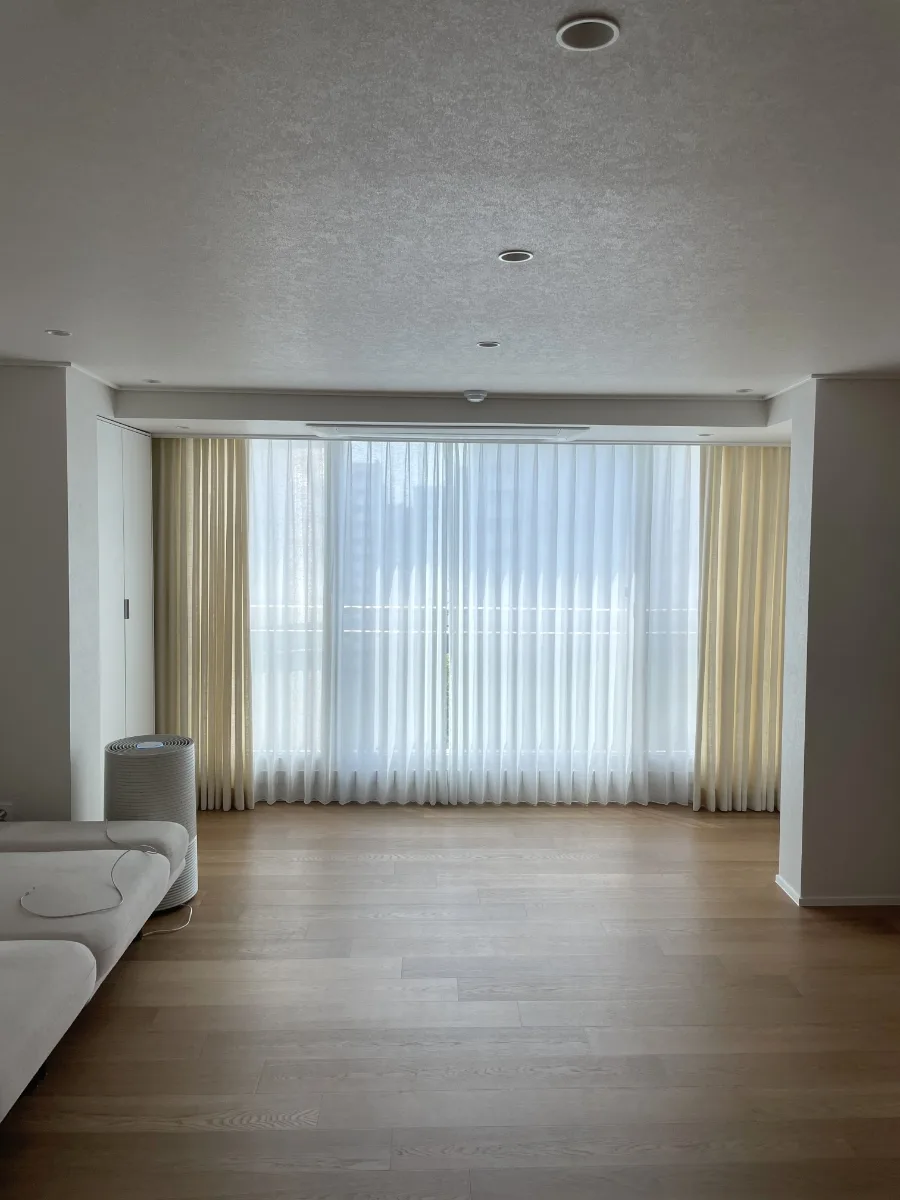
Transform your living space affordably with Korean interior film, a popular method for updating apartments like the Myeongji Samjeong Green Core The Best in Busan. This technique offers a cost-effective alternative to full renovations, allowing for significant aesthetic changes without breaking the bank.
Why Choose Korean Interior Film for Your Home in 2026?
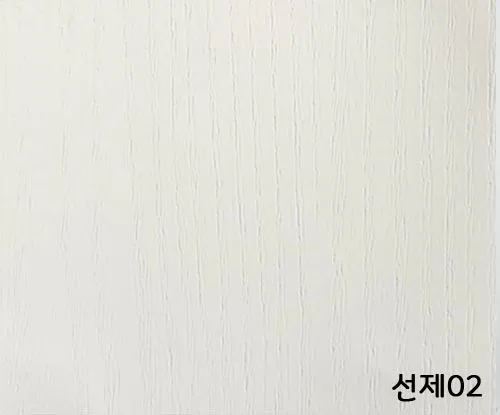
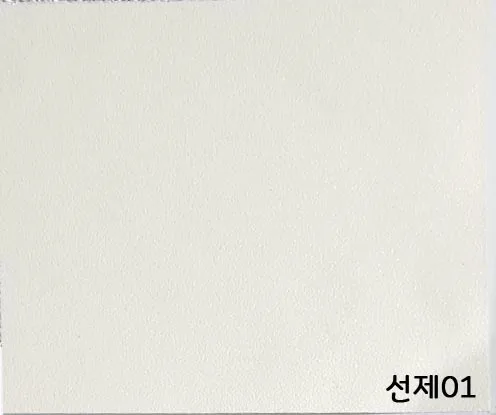
Interior film application is rapidly gaining traction in US home decor trends, mirroring its popularity in South Korea. For homeowners looking to refresh their living spaces, especially in apartments, film offers a budget-friendly way to update worn-out surfaces or align with current design aesthetics. Unlike a complete overhaul, which can be costly and time-consuming, applying interior film to elements like window frames, doors, and cabinetry can dramatically change a room's feel. For 2026, key trends include a preference for white window frames and matte or textured finishes that add a touch of sophistication. This approach is particularly effective in creating a cohesive look, often seen in modern Korean apartment styles, by unifying elements like kitchen cabinets and interior doors with a consistent finish.
What Areas Can Be Transformed with Interior Film?
The versatility of interior film makes it suitable for a wide range of applications in your home. Commonly updated areas include window frames and sliding doors in living rooms and kitchens. It's also an excellent solution for refreshing older or outdated interior doors, door frames, and entryway cabinets. Even built-in wardrobes and kitchen cabinet fronts can be given a new lease on life. For those seeking a more unified look, complex moldings in bedrooms or even bathroom trim can be covered. Professional installers often remove hardware like handles and hinges for a seamless finish, ensuring that even tricky areas are handled with precision. This meticulous approach ensures a high-quality, updated appearance, making the space feel brand new.
Interior Film vs. Replacing Furniture: A Cost Comparison
One of the most compelling advantages of interior film is its affordability compared to replacing furniture or entire cabinetry. For instance, a full kitchen cabinet replacement can run into thousands of dollars. However, by opting for interior film, you can achieve a similar aesthetic upgrade for a fraction of the cost, often just a few hundred dollars depending on the scope. This makes it an ideal solution for renters or those planning to move within a few years. For large items like kitchen cabinets or built-in wardrobes, the cost savings are particularly significant. Furthermore, the price of interior film application tends to remain relatively stable even with larger coverage areas, offering a predictable and budget-friendly way to achieve your desired home transformation.
Key Considerations Before Applying Interior Film
When considering interior film for your home, there are a few crucial points to keep in mind. Firstly, assess the condition of the surface you intend to cover. If the existing surface has significant texture, embossing, or a pronounced grain, this may still be subtly visible through the film. It's wise to discuss these possibilities with your installer and explore film options that might better mask these textures. Secondly, the skill of the installation team is paramount. Ensure they have experience with detailed work, such as removing and reattaching hardware like door handles and hinges for a clean finish. For doors, proper installation involves wrapping the film around the edges to prevent peeling, especially considering potential wood shrinkage. A professional installer will pay close attention to these details, ensuring a durable and aesthetically pleasing result that truly elevates your space.
We hope this guide has clarified the benefits and considerations of using Korean interior film for your home renovation needs.