When planning a home renovation, understanding the difference between design-focused interior firms and construction-focused ones is crucial for a successful outcome. While both aim to transform spaces, design firms prioritize aesthetic and functional planning, leading to higher overall quality and satisfaction, even within the same budget.
What's the Difference Between Design-Focused and Construction-Focused Interior Firms?
Interior design firms can be broadly categorized into two types. First are 'construction-focused firms' that excel in practical execution like carpentry, tiling, and electrical work. They often offer lower costs and faster project timelines. However, their focus on execution might mean a lack of comprehensive design planning, resulting in a functional but potentially uninspired space. Second are 'design-focused firms' (or design-centric firms) that specialize in holistic space planning. They meticulously consider traffic flow, spatial proportions, lighting schemes, material choices, and color palettes to create a cohesive and concept-driven design. These firms deliver spaces with high aesthetic value and a clear theme. While the initial design phase might take longer and incur separate fees, the long-term satisfaction and quality are significantly higher. Many homeowners opt for construction firms to save on design fees, but this often leads to costly mistakes and dissatisfaction down the line.
What Problems Arise from Choosing Construction-Only Firms to Save Money?
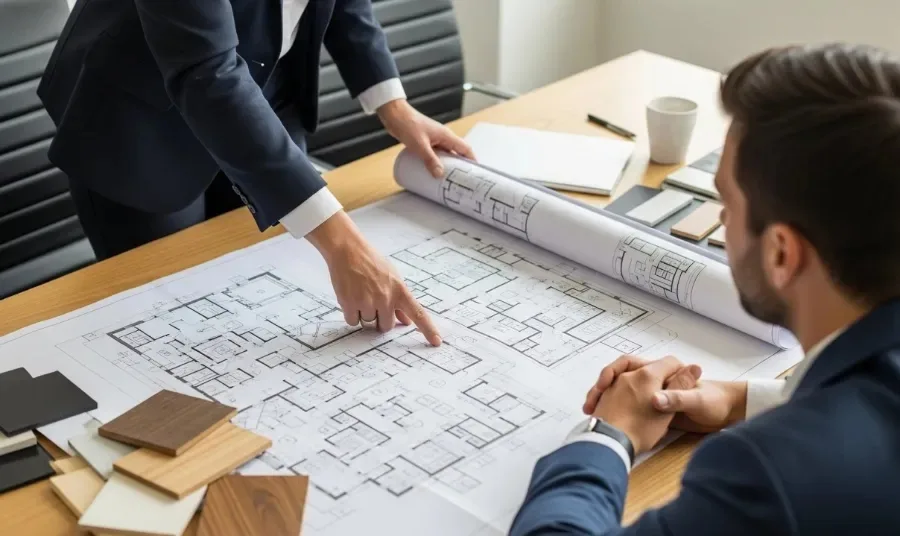
Opting for construction-only firms to cut initial costs can paradoxically lead to higher expenses later. Common issues include incorrectly placed electrical outlets, insufficient storage solutions requiring custom additions, poor lighting arrangements that detract from the ambiance, or clashing material choices necessitating replacements. These unforeseen problems can accumulate, making the total project cost exceed what you might have paid a design-focused firm from the start. For instance, a poorly planned kitchen layout might require costly rework of plumbing and electrical lines. Therefore, interior design should be viewed as a long-term investment, considering potential future costs beyond the initial construction budget. Meticulous planning during the design phase is the most effective way to prevent costly rework and ensure a satisfying final result.
Why Is Design More Important Than Construction in Interior Projects?
Many people mistakenly believe that the construction phase is the most critical part of interior design. However, the ultimate outcome of a space is largely determined during the preceding design phase. Decisions about wall placement, traffic flow, lighting design, and material combinations are made long before any demolition or building begins. Construction is merely the process of bringing that pre-determined design to life. Therefore, a thorough and professional design process is essential for achieving a high-quality and satisfying result. A well-executed design can elevate a space significantly, ensuring functionality and aesthetic appeal that stands the test of time, making it crucial to invest adequate time and resources into this initial stage.
Why Do Interior Results Differ Significantly for the Same Budget?
Even with an identical budget, like $20,000, the final quality of an interior project can vary dramatically. This difference often stems from how effectively a firm prioritizes and allocates funds. Construction-focused firms might focus solely on basic finishing, while design-focused firms strategically identify key areas for investment and areas where costs can be managed without compromising quality. They understand where to spend money for maximum impact—perhaps on custom cabinetry or statement lighting—and where to save, like using more budget-friendly but still stylish materials for less critical surfaces. This strategic allocation allows design firms to create spaces that appear more luxurious and polished, enhancing both visual appeal and daily usability for the occupants.
English crawl path
Next English reads from this pilot cluster
Continue through the category hub, latest English stories, and related posts so this translated article is not an isolated URL.
Tags
💬Frequently Asked Questions
What should I check first in Korean Interior Design vs. Construction: Expert Guide 2026?
Does this Home & Interior article link back to the Korean source?
Where can I find similar English stories?
English discovery path
Explore more English K-culture stories
Keep browsing the indexed English pilot cluster so Google and readers can move between this story, the category hub, and fresh discovery pages.
Original Source
Read the Korean original