Successfully renovating a Korean townhouse, especially in areas like Yongin, requires meticulous preparation, including professional protective measures (boyang) and securing resident consent forms. In 2026, these crucial steps continue to streamline the renovation process, minimize resident complaints, and ensure a smoother project from start to finish.
Why Is Protective Sheathing Crucial for Korean Townhouse Renovations?
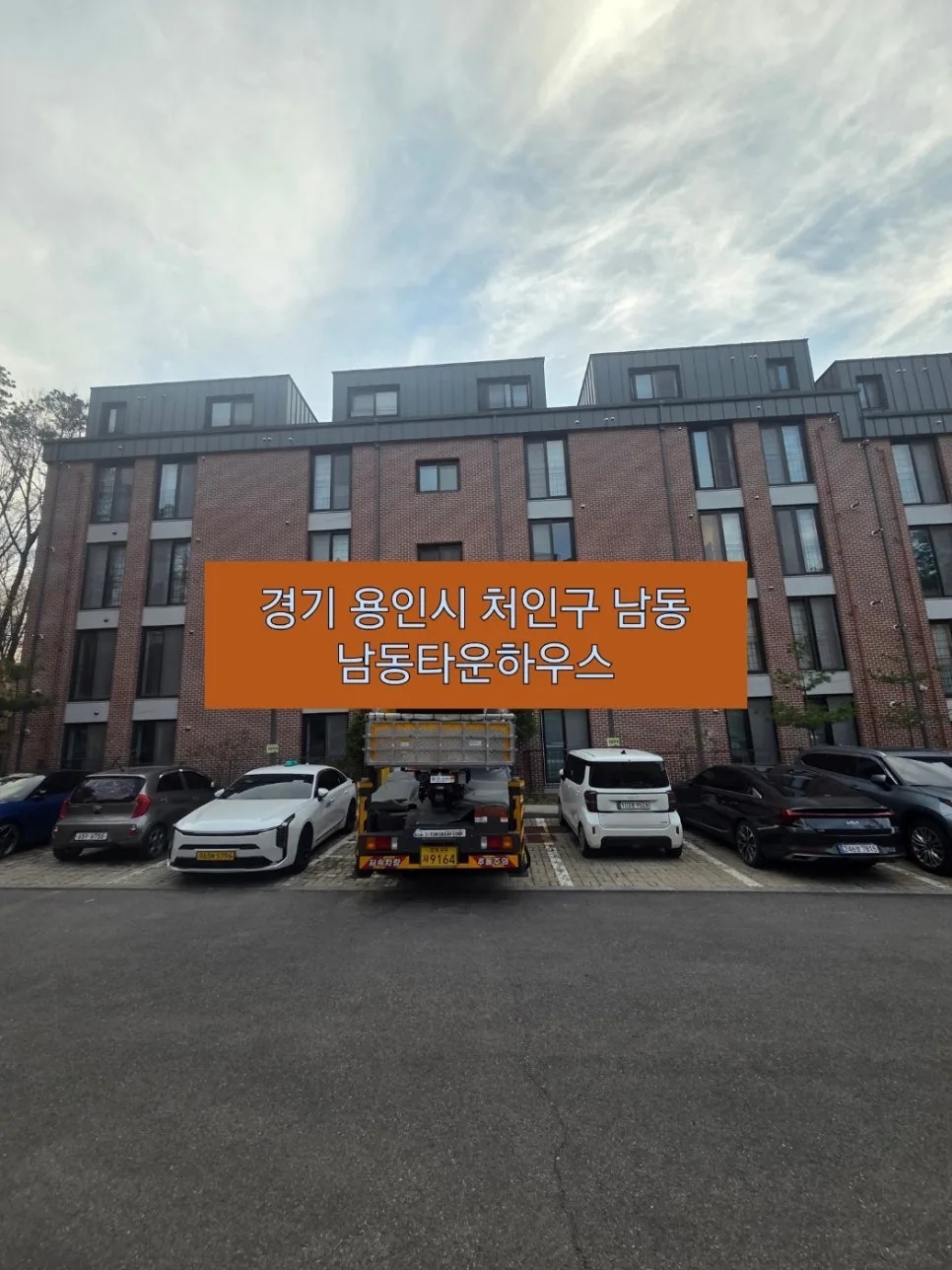
During interior renovations, it's common for walls, floors, and common areas like elevators to sustain scratches or get dirty. In townhouses and apartment complexes, where living spaces are close, such damage can easily lead to disputes among residents. Professional protective sheathing, known as 'boyang' in Korean, acts as a vital shield, minimizing potential damage during construction and maintaining a clean environment. This attention to detail significantly boosts resident satisfaction upon project completion. Experienced interior design firms prioritize thorough protective measures as a foundational step, directly impacting the overall quality of the renovation.
Navigating Resident Consent for Townhouse Renovations in Korea
Undertaking interior renovations in Korean apartment buildings or townhouses necessitates official approval from the building management office or the resident representative council. This process ensures that construction noise, dust, and vibrations do not disrupt other residents and clarifies responsibility in case of damage to common facilities. Typically, this involves submitting a renovation application detailing the scope, duration, and timing of the work, and sometimes requires obtaining consent from all residents. Because securing these forms can be complex and time-consuming, partnering with a specialized service provider can be highly efficient. For instance, some services offer streamlined application processes via KakaoTalk and handle the consent form acquisition on your behalf.
Choosing the Right Protective Sheathing and Consent Service for Your Townhouse
If you're planning an interior renovation for a townhouse in the Yongin area, consider engaging a professional service that specializes in protective sheathing and resident consent acquisition. Companies like TeamPlace (팀플레이스) offer top-tier protective services for common areas such as elevators, hallways, and staircases, while also managing the entire process of obtaining resident consent and necessary permits. They often operate on a partnership model with interior design firms, providing a comprehensive solution that includes responsible construction, easy registration, post-project payment options, and competitive pricing. As registered businesses, they can also issue tax invoices, and their 24-hour availability ensures flexibility with project schedules.
Key Considerations When Hiring Protective Sheathing and Consent Services
When selecting a service for protective sheathing and resident consent, pay attention to a few critical factors. Firstly, evaluate the quality of the protective work: ensure they use professional materials and techniques that can withstand construction impacts and prevent contamination, not just a superficial covering. Secondly, inquire about their strategy for handling potential issues during the consent acquisition process, especially if some residents might object. Experienced providers can navigate these challenges effectively. Transparency is key; ensure clear communication regarding the construction timeline, costs, and all procedural steps before commencing work.
For more details, check the original source below.