The most crucial details for achieving a high-end finish in Korean residential interior design revolve around three core principles: surface precision, line consistency, and balanced finish thickness. When these elements harmonize, the true quality of the space, built upon meticulous foundational work, is revealed.
How to Achieve Surface Precision in High-End Korean Interior Finishes
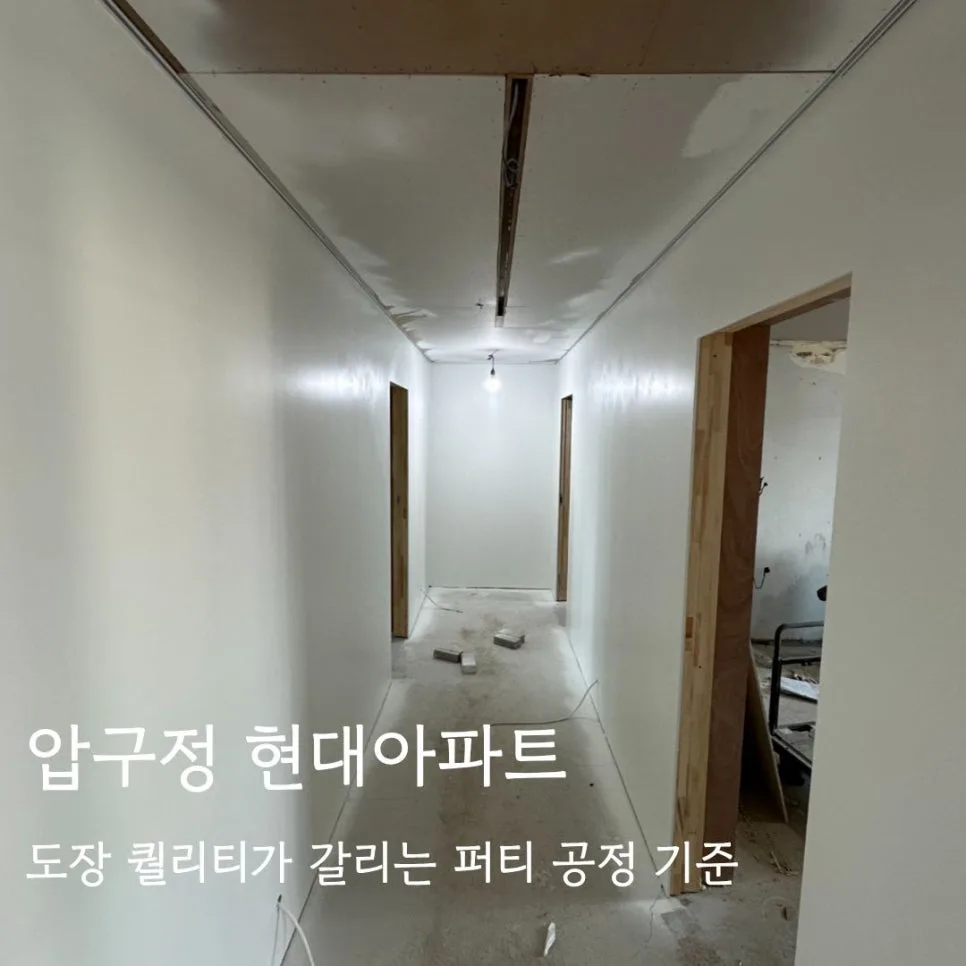
In high-end projects, like a recent renovation in the upscale Hyundai Apartment in Apgujeong, Seoul, achieving smooth, curved wall finishes requires specialized techniques. We utilized marine-grade plywood to create the desired curves and applied a dense, durable putty, specifically a 'han-sa' type, for superior surface leveling. Unlike standard putty, this method ensures a uniform, high-quality finish. For curved surfaces, maintaining a consistent radius is paramount, and the putty application process must be repeated at least twice to guarantee an even texture. This meticulous attention to the foundational stages is what truly dictates the final aesthetic quality.
Why is Line Consistency Crucial for Furniture, Doors, and Walls?
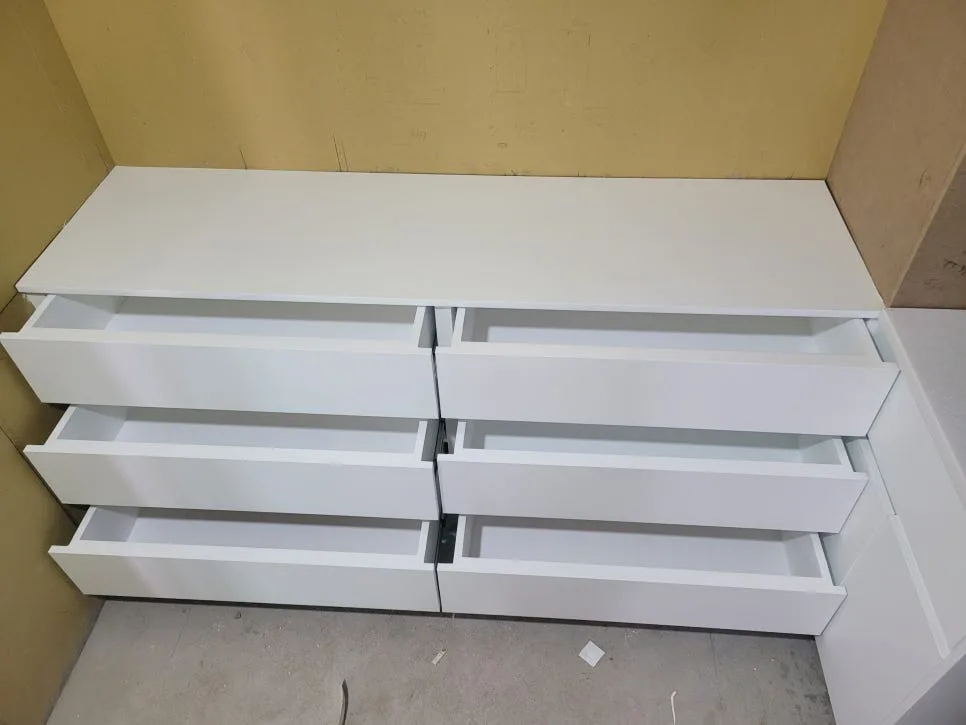
In interior design, elements like furniture, doors, and walls are often installed through separate processes, yet they must ultimately appear as a unified whole. Discrepancies in the alignment, grout lines, or finish thickness between doors and walls, for instance, can immediately create a sense of disharmony, detracting from the overall high-end feel. When combining different materials, such as film-finished furniture and painted walls, achieving seamless integration requires careful consideration of line consistency and balanced finish thickness. This attention to detail is essential for creating the sophisticated ambiance characteristic of luxury residential spaces.
Why is Foundational Work More Important Than Material Choice in High-End Interiors?
Finishes like paint are highly revealing; any imperfections in the underlying surface will be evident in the final coat. Therefore, the quality of a high-end residential interior isn't solely determined by selecting luxurious materials, but rather by the precision of the unseen foundational work. At Only Design, we prioritize these rigorous process standards, ensuring both surface perfection and overall finish quality are addressed throughout the project.
What Are Common Mistakes in High-End Interior Finishing?
A frequent error is failing to maintain a consistent curve when creating rounded features or completing putty work in a single pass, leading to uneven surfaces. Overlooking gaps between doors and walls or uneven finish thicknesses also significantly compromises the final look. These details have a substantial impact on the finished product, necessitating careful management from the initial stages of construction. While personal material preferences are important, perfecting the foundational processes is the true key to achieving a high-end interior design.
For detailed construction standards, refer to the original source.