Dreaming of a stylish Korean apartment aesthetic? This guide breaks down the core principles of K-interior design, focusing on creating harmonious, minimalist spaces. Learn how to achieve a chic, functional home inspired by Korean design trends, perfect for any US apartment or house.
What is the core philosophy behind Korean interior design?
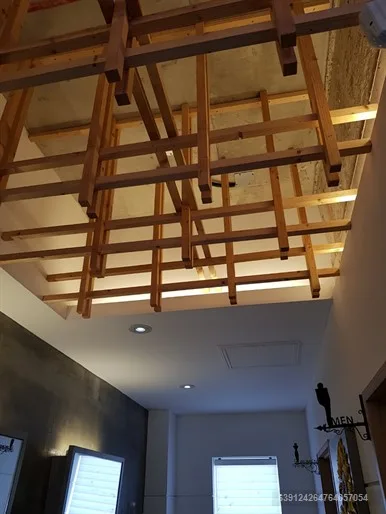
Korean interior design, often referred to as K-interior, emphasizes creating spaces that are not just visually appealing but also deeply functional and emotionally resonant. The philosophy centers on user experience, considering the flow of movement and the emotional impact of the environment. This approach prioritizes personalized design solutions tailored to the specific needs and lifestyle of the inhabitants. A key aspect of this philosophy is the concept of 'Jeong' (정), a sense of harmonious connection and warmth, which designers aim to infuse into every project. This holistic approach ensures that a space feels both beautiful and lived-in, fostering a sense of comfort and belonging for its occupants.
What are the distinct design strengths of Korean interior studios?
Leading Korean interior design studios excel in several key areas. They possess a remarkable talent for color and lighting design, skillfully using these elements to craft specific moods and enhance the perceived spaciousness of a room. Think of soft, ambient lighting that mimics natural daylight or carefully chosen color palettes that evoke tranquility or energy. Furthermore, their expertise in practical furniture placement ensures that every piece serves a purpose, optimizing flow and usability without sacrificing style. This meticulous attention to detail, from selecting eco-friendly materials to ensuring ergonomic layouts, results in spaces that are both aesthetically pleasing and highly functional, aligning with the minimalist Korean apartment style that's gaining traction in the US.
How do Korean interior design projects typically proceed from concept to completion?
The process for a Korean interior design project is typically streamlined and client-focused. It begins with an in-depth consultation to understand the client's vision, lifestyle, and budget. Following this, designers develop a comprehensive plan, including mood boards, 2D layouts, and 3D renderings, allowing clients to visualize the final space. Material selection is a crucial step, with an emphasis on quality, sustainability, and aesthetic harmony. The construction phase is managed by a dedicated team, ensuring consistent quality control and adherence to the design plan. This integrated approach, often involving a single point of contact from start to finish, fosters transparency and trust, making the renovation process smoother for the client.
What types of spaces are Korean interior designers best known for?
Korean interior designers showcase remarkable versatility, excelling in a wide range of projects. They are particularly renowned for their work in creating inviting and stylish cafes, functional and modern office spaces, and aesthetically pleasing commercial establishments like boutiques and galleries. Their expertise also extends to residential interiors, transforming apartments and homes into serene, minimalist sanctuaries. This broad experience allows them to adapt their design principles to suit the unique requirements of each space, whether it's maximizing natural light in a small apartment or creating an efficient workflow in a bustling commercial environment. This adaptability makes K-interior a popular choice for diverse design needs.
How does the Korean aesthetic translate to US home decor trends?
The Korean aesthetic, characterized by minimalism, natural materials, and a focus on functionality, resonates strongly with current US home decor trends. Similar to the popular Muji style, Korean interiors emphasize clean lines, uncluttered surfaces, and a neutral color palette, often accented with natural wood tones and subtle pops of color. This creates a calming and serene atmosphere, which is highly sought after in today's fast-paced world. US consumers can find similar elements in furniture and decor from brands like IKEA, CB2, and West Elm, or through a vast selection on Amazon. The 'Korean apartment style' is increasingly being searched for, indicating a growing interest in adopting this sophisticated yet simple approach to home design.
Discovering the essence of Korean interior design can elevate your home.