Considering inner wall insulation for your Korean-style home but wondering if it's enough? In 2026, experts break down the differences between outer and inner insulation, their pros and cons, and the best strategies for optimal thermal performance. Understanding these nuances is key to achieving the comfortable, energy-efficient living synonymous with Korean home design.
Why is Korean Home Insulation Different from Apartments?
Home insulation is more than just saving on heating and cooling bills; it directly impacts your health and the longevity of your house. In Korea's distinct four seasons, robust insulation is crucial for tackling harsh winters and sweltering summers. Unlike apartments, detached homes offer more flexibility in insulation methods, and the choice significantly affects the home's performance and your overall satisfaction. In my experience, investing in quality insulation, even with a higher upfront cost, is one of the most reliable ways to enhance your living quality long-term.
Outer Insulation: A Protective Coat for Your Home
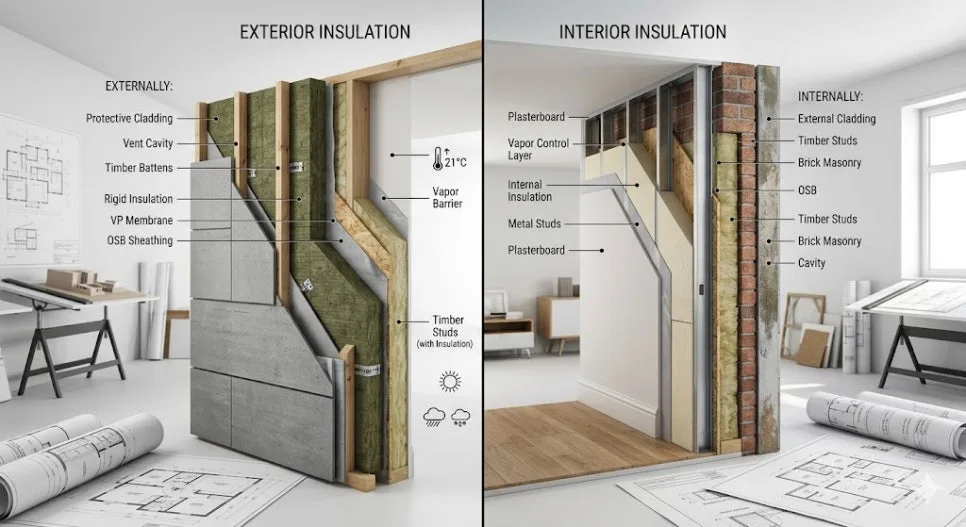
Outer insulation involves applying insulation materials to the exterior walls of a building, essentially giving your entire house a thick, protective coat. The primary advantage of this method is its effectiveness in minimizing 'thermal bridging'—pathways where heat can escape. By wrapping the structural frame with an unbroken layer of insulation, it shields the frame from external temperature fluctuations, drastically reducing the risk of condensation and mold, which are common issues with inner insulation. This approach also maximizes the 'thermal mass' effect, where materials like concrete or brick absorb and retain heat, helping to maintain a stable indoor temperature. This is why outer insulation is a staple in passive houses and zero-energy buildings aiming for maximum energy efficiency. However, it can be more susceptible to weather delays during construction and may incur higher initial costs due to the need for scaffolding and specialized finishing materials. Despite this, the long-term energy savings and enhanced building durability make it a worthwhile investment.
Inner Insulation: A Practical Choice for Convenience and Cost
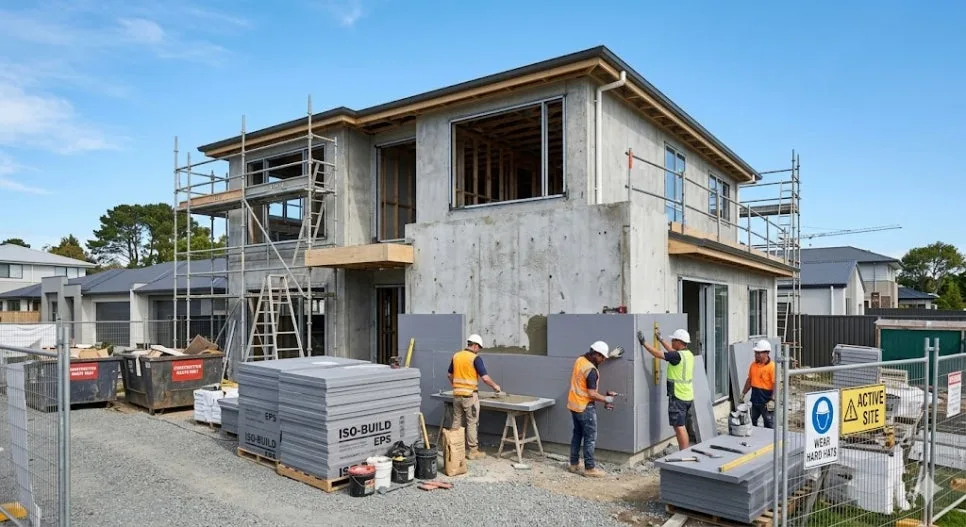
Inner insulation involves installing insulation on the interior walls of a building. This is a common method seen in traditional Korean apartments and smaller homes. Working indoors, unaffected by external weather, can shorten construction timelines and reduce labor and associated costs, making it a practical option, especially for renovations. When you turn on the heat, indoor temperatures respond quickly, which can be efficient for intermittently used spaces or areas requiring rapid heating or cooling. However, inner insulation can be prone to thermal bridging where the insulation is interrupted by structural elements like columns, beams, and window frames. This creates potential weak spots for condensation and mold. Therefore, if choosing inner insulation, the precision and meticulousness of the installer are paramount to ensure a perfectly sealed application in every nook and cranny.
Expert-Recommended: The Optimal Insulation Strategy
Selecting the right insulation method for a Korean-style home requires a comprehensive assessment of your budget, location, design preferences, and maintenance plans. Increasingly, a hybrid approach is favored: using outer insulation as the primary method while reinforcing areas prone to thermal bridging with inner insulation. What's more crucial than the specific material used is the 'gap-free installation.' Even the smallest gap can compromise the insulation's effectiveness over time. This meticulous attention to detail in construction is what truly determines your home's value and performance a decade or two down the line. Since the optimal strategy can vary based on individual home circumstances, consulting with a professional is highly recommended to determine the best approach for your specific needs.
Common Mistakes and Precautions in Korean Home Insulation
The most frequent mistake in insulating Korean homes is neglecting the management of thermal bridges, especially with inner insulation. These bridges, often occurring around window frames, corners where columns meet walls, or other structural junctions, are prime culprits for condensation and mold. Another common oversight is prioritizing the thickness or R-value of insulation material while overlooking the importance of a tight, seamless installation—the 'airtightness.' Gaps in insulation lead to significant heat loss, diminishing the overall effectiveness. Therefore, when selecting a contractor, it's essential to vet not only the insulation materials they offer but also their skilled craftsmanship and proven track record of meticulous installation. Choosing a company that prioritizes honest, thorough work, even in unseen areas, is crucial for the long-term maintenance and value of your home.
English crawl path
Next English reads from this pilot cluster
Continue through the category hub, latest English stories, and related posts so this translated article is not an isolated URL.
Tags
💬Frequently Asked Questions
Is inner wall insulation alone sufficient for a Korean-style house?
What is the main difference between outer and inner insulation?
How can I prevent condensation and mold during Korean home insulation?
English discovery path
Explore more English K-culture stories
Keep browsing the indexed English pilot cluster so Google and readers can move between this story, the category hub, and fresh discovery pages.
Original Source
Read the Korean original