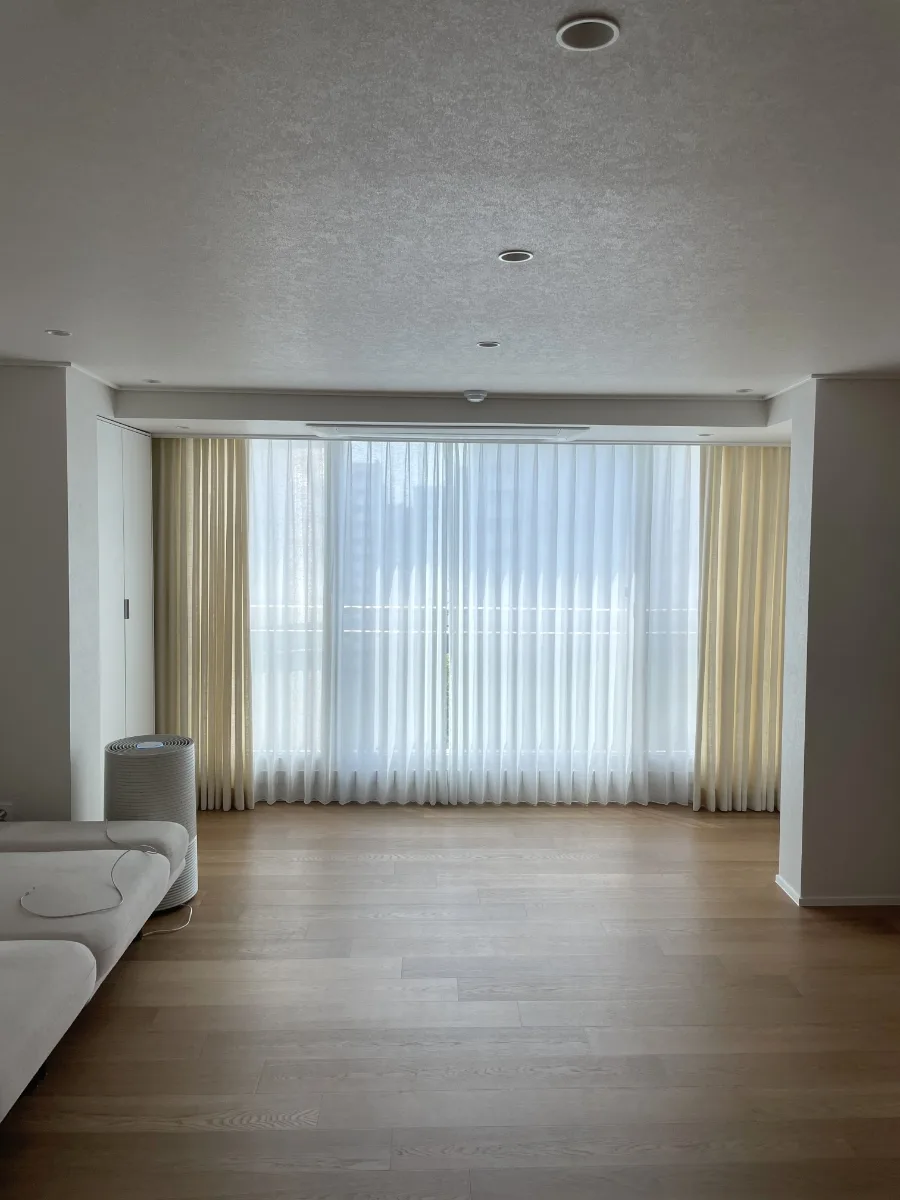
In Korean apartment living rooms, the direction of your flooring is a crucial element that dictates the perceived width and length of your space. By strategically aligning your floorboards with the natural flow of sightlines, you can create an illusion of greater spaciousness and an airier feel. This subtle design choice significantly impacts the overall aesthetic and how a room feels to its inhabitants.
Why Does Flooring Direction Matter for Your Living Room's Impression?
The flooring in your living room is a foundational element that sets the tone for the entire space. Beyond just color and texture, the installation direction of your floorboards plays a significant role in how expansive the room feels. Because flooring often features repeating patterns, creating a natural visual pathway is key. For instance, laying planks parallel to the longest wall can make a room appear longer, which is particularly effective in smaller apartments. Therefore, the direction of your flooring should be considered a design choice that influences spatial perception, not just a construction detail. You'll notice a distinct difference in perceived space even in apartments of the same square footage, simply based on flooring orientation.

What's the Standard for Flooring Direction to Make a Space Feel Wider?
The most common guidelines for determining flooring direction involve aligning with natural light and the longest wall of the room. Matching the floorboard direction to the way sunlight enters through windows can create a cleaner look by minimizing the visibility of seams. Additionally, laying planks along the longest wall is a standard technique to visually extend the space. While these two principles are generally effective, they might conflict depending on the room's layout. In such cases, prioritize the effect you deem more important. For example, if you have a bright, spacious living room, prioritizing light direction might be best, whereas a long, narrow hallway-like living room would benefit more from following the longest wall.
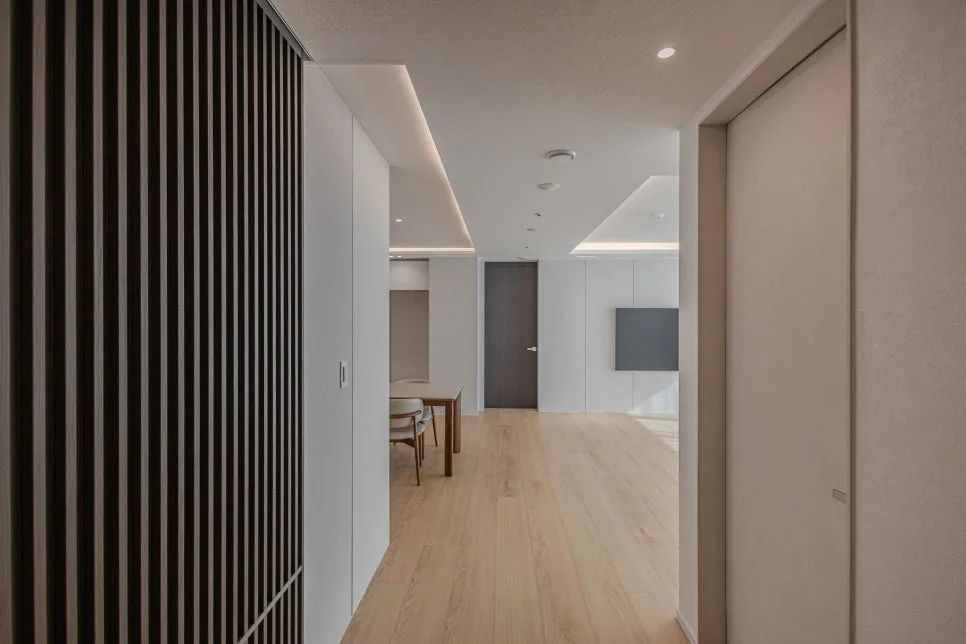
Room-Specific Checklists Before Deciding on Flooring Direction
When deciding on flooring direction, it's essential to consider the room's unique characteristics and your desired aesthetic rather than relying on a single rule. First, for optimal natural light utilization, align your floorboards with the windows to guide light flow naturally and enhance the clean appearance of the finish. Second, to visually expand the space, install flooring in the direction that creates the longest continuous sightline. This is especially effective in hallways or entryways leading into the living room, as it makes the flow feel more natural and the space appear more open and organized. Third, if you prioritize traffic flow, align the flooring direction with the main pathways to create a natural and stable sense of space. Finally, consider the continuity with adjacent areas like the kitchen or hallways; matching the flooring direction can create a cohesive feel, making the entire home seem like one continuous, flowing space.
Common Mistakes and Precautions During Flooring Installation
The direction of your flooring is a critical detail that often shapes the overall impression of a room, yet it's frequently overlooked. A common mistake is focusing solely on the color or texture of the flooring while neglecting the impact of its direction. This can lead to spaces appearing smaller than they are or creating awkward traffic flows. Therefore, before installation, it's crucial to consult with professionals to determine the optimal flooring direction, taking into account the room's layout, natural light, and primary traffic patterns. If the direction of the longest wall and the direction of light conflict, clearly define which effect you want to prioritize. Making a decision that balances your personal preferences with the room's specific features is key to achieving a satisfying living room interior.
English crawl path
Next English reads from this pilot cluster
Continue through the category hub, latest English stories, and related posts so this translated article is not an isolated URL.
Tags
💬Frequently Asked Questions
What should I check first in Korean Flooring Trends 2026: Maximize Space?
Does this Home & Interior article link back to the Korean source?
Where can I find similar English stories?
English discovery path
Explore more English K-culture stories
Keep browsing the indexed English pilot cluster so Google and readers can move between this story, the category hub, and fresh discovery pages.
Original Source
Read the Korean original