Choosing the right apartment flooring in 2026 involves comparing LVT (Luxury Vinyl Tile), SPC (Stone Plastic Composite), and tile, weighing their pros and cons to find the best fit for your home. Understanding these popular Korean interior design choices will help you make an informed decision for both aesthetics and practicality.
What are the key considerations when choosing Korean apartment flooring?
Apartment flooring is more than just a surface; it's a crucial element that defines your home's overall interior aesthetic. In South Korea, where apartment living is prevalent and concerns about noise transmission are high, selecting flooring that balances practicality with style is essential. While LVT, SPC, and tile remain top choices in 2026, making the wrong decision can lead to regret. Based on real-world experiences, understanding the specific advantages and disadvantages of each material, and considering your family's lifestyle, are key to selecting the optimal flooring for your Korean-style apartment.
Why is LVT flooring popular for its affordability and design variety?
LVT (Luxury Vinyl Tile) is crafted from PVC (polyvinyl chloride) and offers significant advantages in terms of affordability and ease of installation. It's accessible enough for DIY projects, making it a budget-friendly option. LVT also boasts a wide array of colors and designs, allowing it to complement virtually any interior style, from minimalist Korean aesthetics to more vibrant looks. Its lower thermal conductivity means it retains warmth, providing a more comfortable feel underfoot, especially during colder months. However, LVT's durability is relatively lower compared to other options; it can be susceptible to scratches and dents. Prolonged exposure to moisture can also lead to warping or bubbling, and the material may discolor over time, necessitating regular maintenance.
What makes SPC flooring stand out for its durability and heating efficiency?
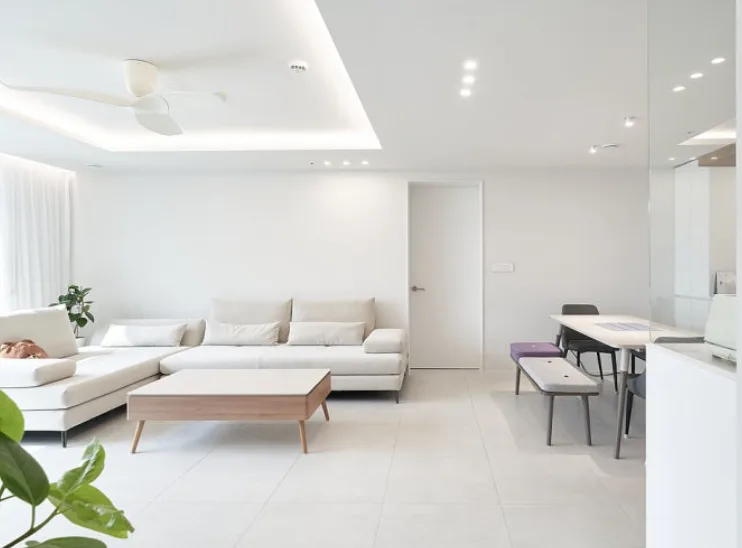
SPC (Stone Plastic Composite) flooring is highly regarded for its exceptional durability and premium feel, often resembling high-end wood or stone. Its excellent thermal conductivity means it efficiently transfers heat from underfloor heating systems, potentially leading to lower heating bills in winter. SPC also offers superior sound dampening qualities, contributing to a quieter living environment, which is a significant benefit in apartments. The main drawbacks are its higher installation cost compared to LVT and the difficulty of repair if damaged. Like LVT, SPC can be sensitive to prolonged water exposure, making it less ideal for very wet areas like bathrooms or laundry rooms. A growing trend is the 'wide-plank SPC' that mimics the look of large tiles, combining the practicality of SPC with the sophisticated aesthetic of tile.
Why is tile flooring favored for hygiene and design versatility?
Tile, typically made from ceramic or porcelain, is exceptionally hard and durable, ensuring a long lifespan. Its waterproof nature and ease of cleaning make it a highly hygienic choice, ideal for high-moisture areas like kitchens and bathrooms. The vast range of designs, patterns, and finishes allows for highly personalized and unique interior spaces, fitting perfectly with the 'Korean aesthetic room' trend. However, tiles can feel cold underfoot, especially during winter, and their hard surface may contribute to noise amplification. Installation requires careful attention to safety due to the material's weight, and the overall cost, including installation, is generally higher than LVT or SPC. For those seeking a tile look with added warmth and easier installation, wide-plank SPC options are increasingly popular.
How should you choose the best apartment flooring for your Korean home?
Ultimately, the best apartment flooring choice depends on your lifestyle, budget, and interior design preferences. For families with young children, the scratch and dent resistance of SPC or tile might be more suitable. If budget is a primary concern, the affordability of LVT makes it a strong contender. The emerging trend of wide-plank SPC, offering the aesthetic appeal of tile with the practical benefits of SPC, presents a compelling middle-ground option. Brands like LX Hausys (formerly LG Hausys) offer products such as 'Edin Stone' which provide a tile-like appearance with enhanced durability. Before making a final decision, thoroughly review the pros and cons of each material and consult with an interior design professional to ensure a satisfying and long-lasting choice for your home.
For more details, check the original source below.