Korean bathroom tile trends in 2026 focus on creating spacious, modern, and easy-to-maintain wet areas. Key elements include using large-format porcelain tiles (like 1200x600mm) installed vertically to enhance the sense of height, incorporating slim tile partitions for better space utilization, and ensuring meticulous waterproofing and leveling for a durable finish. This approach elevates the entire bathroom aesthetic, making it feel more luxurious and expansive.
Why Are Large Format Vertical Tiles Trending in Korean Bathrooms? 2026
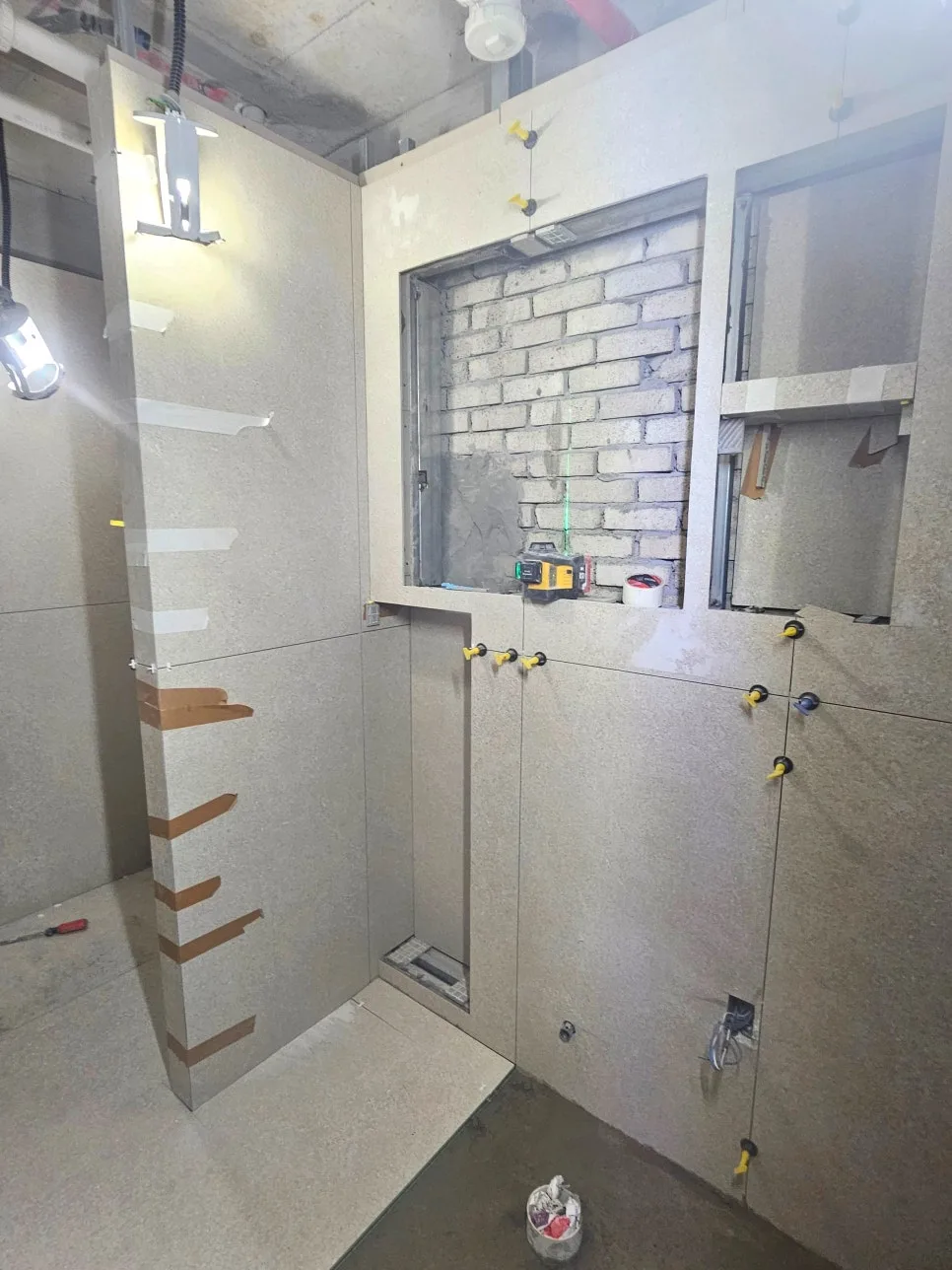
In contemporary Korean interior design, particularly in apartments like those in the Hanla Vivaldi complex in Paju's Unjeong New Town, the trend leans towards large-format porcelain tiles, such as the popular 1200x600mm size. When installed vertically, these tiles minimize horizontal grout lines, creating a visual illusion of higher ceilings and a more expansive space. This technique, combined with features like recessed shelving and precise 'jolly cut' edge finishing, results in a seamless, high-quality bathroom finish. Many US homeowners are adopting this look, often found in minimalist or Scandinavian-inspired designs available at stores like IKEA or CB2, to make smaller bathrooms feel more open and sophisticated.
Maximize Small Bathrooms with Slim Tile Partitions: What Are the Benefits?
Moving away from bulky traditional shower enclosures, modern Korean bathroom design increasingly favors slim tile partitions. These partitions, often constructed with materials like foam ceramic, effectively separate the shower area without making the space feel cramped. The 'jolly cut' finish provides a sleek, modern edge, and extending the partition from floor to ceiling offers superior water splash protection. Unlike glass partitions, tile surfaces are generally more resistant to water spots and soap scum, making them easier to clean and maintain. This design choice is particularly effective in smaller US bathrooms, contributing to an illusion of greater space and a cleaner aesthetic, similar to the minimalist approach seen in Japanese Muji-style interiors.
Why Are 'Leveling Clips' and 'Jolly Cuts' Crucial for Tile Installation?
Achieving a flawless finish in Korean-inspired bathroom renovations hinges on meticulous installation techniques. The use of leveling clips is essential to ensure a perfectly flat and seamless tile surface, especially with large-format tiles or when employing 'jolly cut' edges. This method prevents lippage (uneven tile edges) and creates a smooth transition between tiles. For detailed areas like the edges of shower shelves, built-in niches, or partition corners, precise 'jolly cutting' (mitering the tile edges to meet at a 45-degree angle) is critical. This attention to detail, often seen in high-end custom builds available through US contractors, ensures a durable, high-quality finish that stands the test of time and prevents common issues like chipping or water ingress.
What's Involved in a Full Bathroom Demolition and Waterproofing Process?
Before any new tiling begins, a thorough demolition and waterproofing process is fundamental for a long-lasting bathroom renovation. This involves completely removing old tiles, fixtures, and any existing problematic layers. Subsequently, multiple layers of waterproofing are applied to prevent moisture damage, a critical step in areas prone to high humidity like bathrooms. The floor is then carefully sloped to ensure proper drainage, a process known as 'mey-me' in Korean construction. This foundational work, akin to the rigorous standards followed by US building codes for wet areas, ensures the structural integrity of the bathroom and prevents costly repairs down the line. Investing in this stage is key to a successful and durable Korean aesthetic bathroom.
For more detailed installation steps, refer to the original source.