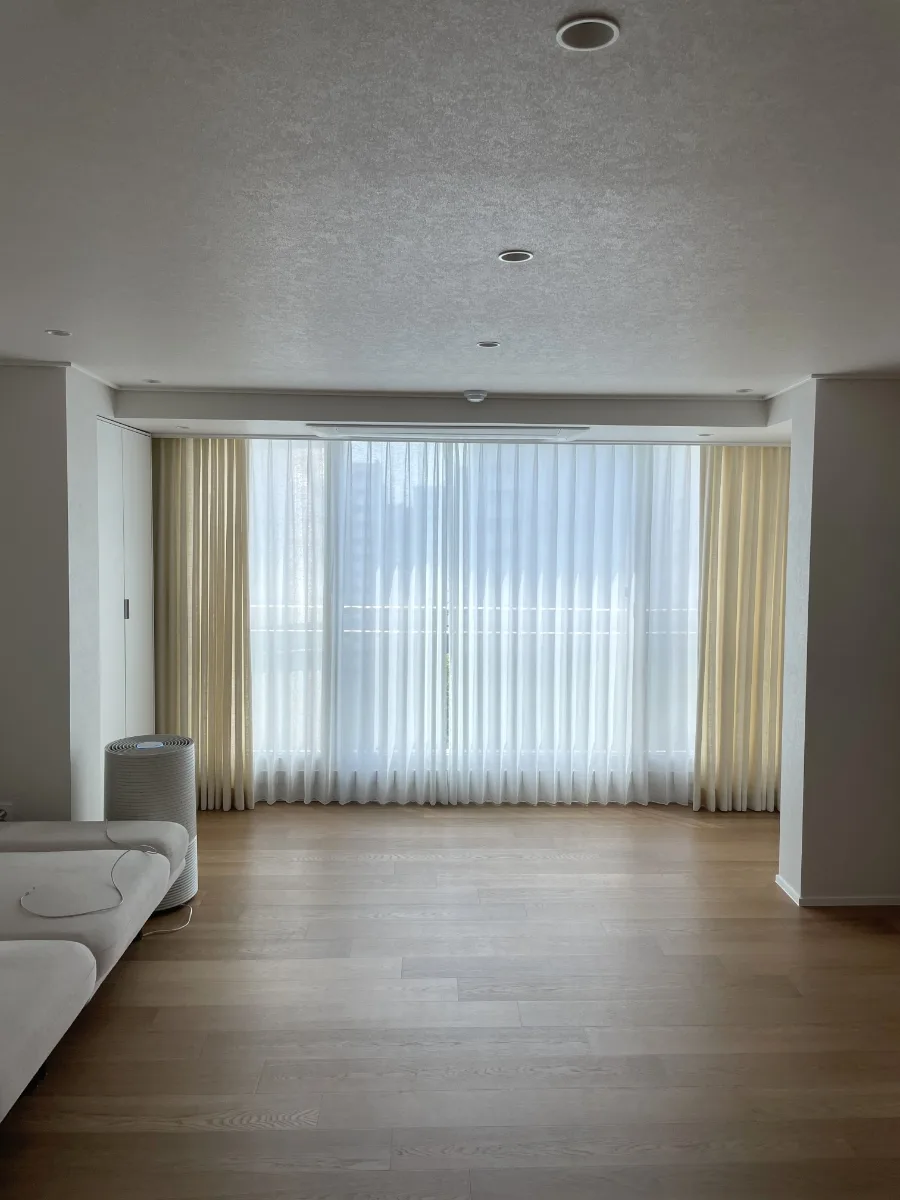
In 2026, extending your Korean apartment balcony requires obtaining an official permit, a process that takes at least two weeks and involves approvals from your building management and local district office. Skipping this step can lead to construction halts, mandatory restoration orders, and legal penalties.
Why Are Balcony Extensions in Korea Legally Required to Have Permits?
Embarking on an apartment renovation in Korea, especially a balcony extension, goes beyond simple interior design; it involves navigating crucial legal procedures governed by building codes. The most critical step is securing an 'action permit' (행위허가 - haengwi heoga), which is essential for ensuring the structural integrity and legal compliance of your building. Modifications like balcony expansions, altering load-bearing walls, relocating utilities, or adjusting fire safety systems all fall under this permit requirement. Many homeowners overlook this vital stage, leading to construction delays or safety concerns. Based on experience, proceeding without the proper permit can result in forced construction stoppages or even orders to restore the property to its original state. Therefore, it's imperative to understand and fulfill these regulatory requirements before commencing any work.
What Is the Process for Obtaining a Balcony Extension Permit in Korea?
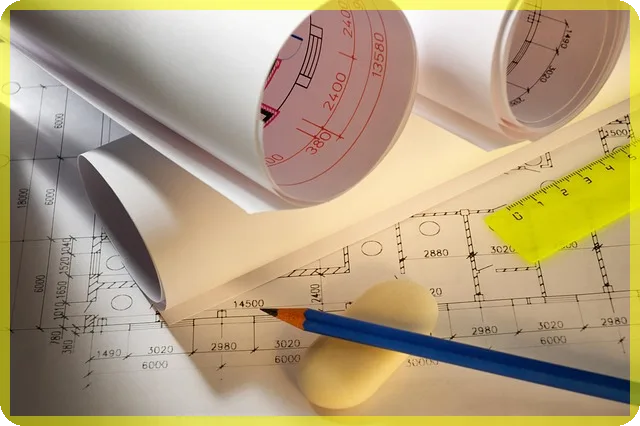
The process for obtaining a balcony extension permit in Korea can be broken down into pre-construction, construction, and post-construction phases. Initially, you'll need to conduct a structural safety assessment of the proposed extension area and develop detailed modification plans. These plans must clearly outline the scope of the extension, materials to be used, and specific structural changes. Following this, you must submit these plans to your apartment building's management office for their consent. Once management approval is secured, you can then submit the action permit application to the relevant district office (관할 구청 - gwanhal gucheong). The application typically requires supporting documents such as building blueprints, extension plans, and structural safety reports. The district office will review these documents to ensure compliance with all regulations before issuing the permit. This entire process generally takes a minimum of two weeks, and potentially up to four weeks or more, so it's crucial to factor in ample time when scheduling your construction.
What Should You Watch Out For When Preparing for a Balcony Extension Permit?
The most common pitfalls when preparing for a balcony extension permit are a lack of information and rushing the process. Many individuals rely solely on their interior designer's advice, only to encounter unexpected issues later. Firstly, not all apartments are suitable for balcony extensions. Factors like the building's construction year, structural design, and internal regulations can restrict such modifications. Always confirm feasibility with your building management office beforehand. Secondly, accurately identifying all necessary application documents is key. This often includes structural safety reports, floor plans, elevation drawings, and detailed extension schematics. Engaging a professional service can streamline this document preparation. Thirdly, ensure the actual construction strictly adheres to the approved permit details. Deviating from the plan or exceeding the permitted scope during construction can lead to problems during the final inspection, potentially incurring additional costs. Therefore, meticulous oversight of the construction process against the approved plans is essential. Experienced professionals can help manage these complexities efficiently.
What Are the Safety Verification and Cost-Saving Benefits After Construction Completion?
Even after the balcony extension is completed, a crucial final step remains: the 'usage inspection' (사용검사 - sayong geomsa) or on-site verification. This stage confirms that the extension was constructed safely and in accordance with the approved permit. Neglecting this final check can lead to future safety issues or legal complications, potentially requiring costly rework or repairs down the line. We often see cases where extensions were built differently from the approved plans, necessitating restoration or reinforcement. Therefore, after construction, it's vital to submit the required documentation and undergo the official site inspection to receive final approval. This thorough post-construction verification not only ensures building safety but also contributes to long-term cost savings by preventing future maintenance expenses. Remember, proactive measures are the most effective cost-saving strategy, so diligently complete the post-construction verification process. Utilizing professional services can help navigate these intricate procedures effectively.
For more details, check the original source below.