Korean apartment window tinting offers multifaceted benefits in 2026, including UV protection, glare reduction, privacy enhancement, and improved insulation. Selecting the right film involves analyzing Visible Light Transmission (VLT), Ultraviolet Rejection (UVR), and Total Solar Energy Rejected (TSER) for optimal results.
Why Korean Apartment Tinting is Essential in 2026
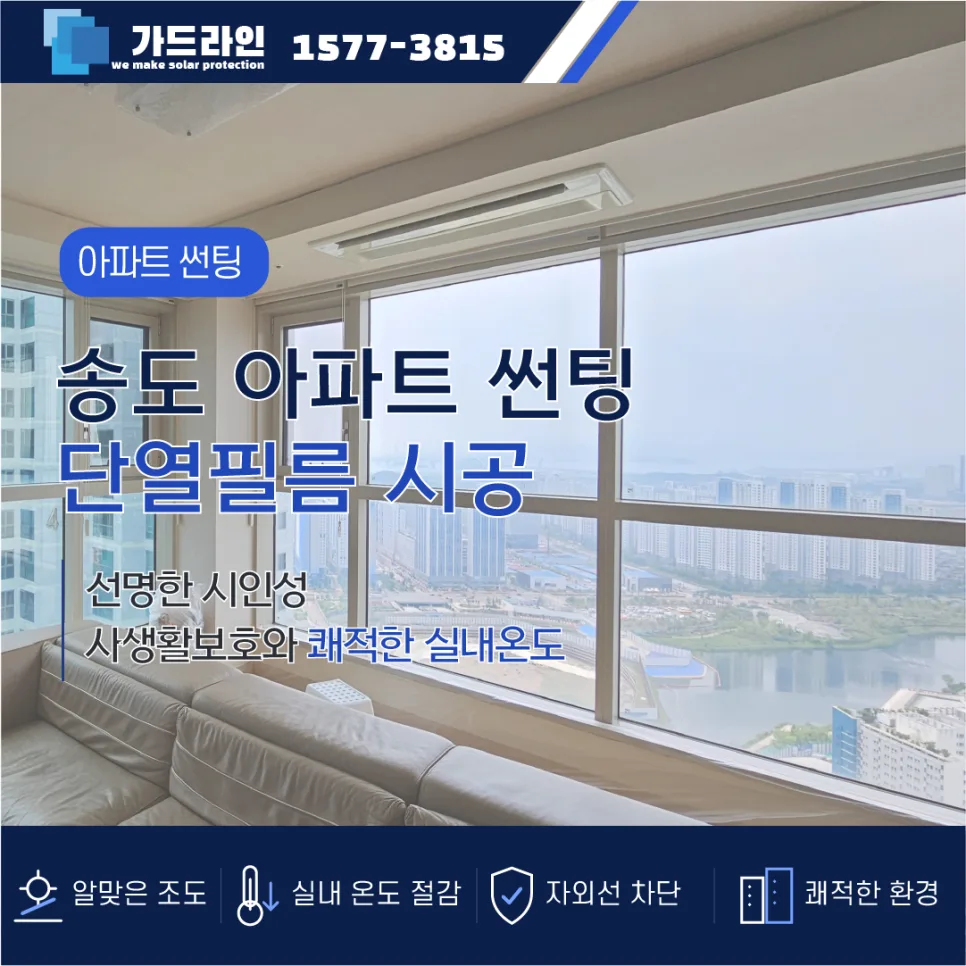
Large apartment windows provide abundant natural light and a sense of openness, but intense sunlight can lead to glare, increased indoor heat, UV exposure, and privacy concerns. For living spaces where families spend significant time, maintaining a comfortable brightness and clear view is crucial, not just blocking light. UV rays can also degrade flooring, sofas, furniture, and curtains, shortening the lifespan of your interior furnishings. This is why window tinting is becoming an essential upgrade for apartments with good natural light, like those in areas such as Songdo. In 2026, more households are considering tinting to enhance comfort and preserve property value.
Choosing the Right Apartment Tint Film: 2026 Performance Standards
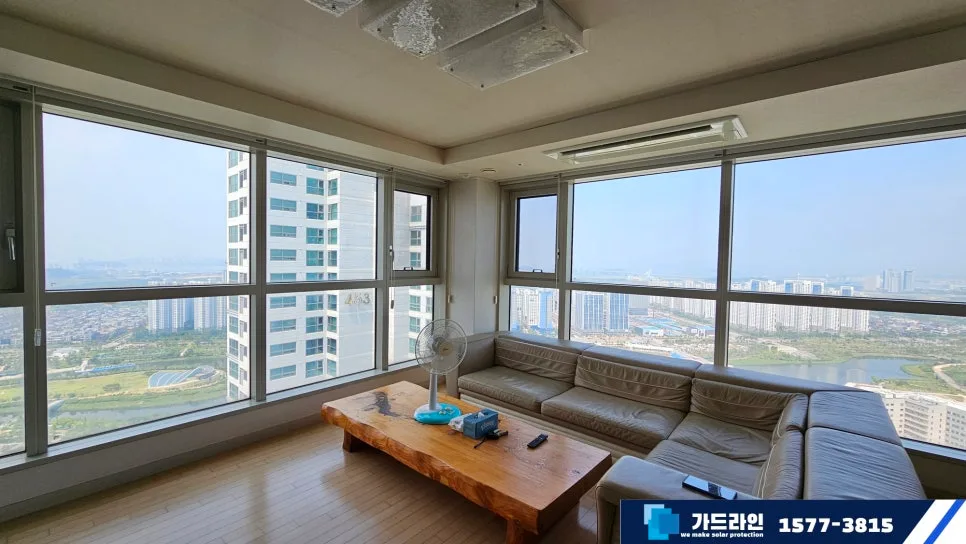
When selecting an apartment window tint film in 2026, key performance metrics to consider are Visible Light Transmission (VLT), Ultraviolet Rejection (UVR), Infrared Rejection (IRR), and Total Solar Energy Rejected (TSER). VLT determines the amount of light entering your home; too low, and the interior becomes dim, while too high diminishes glare reduction and privacy. Films with a VLT around 30% are generally effective for reducing glare and enhancing daytime privacy. Aim for a UVR of 99% or higher to prevent fading of furniture and flooring. A high TSER rating is vital for reducing heat gain, which can significantly improve energy efficiency for cooling and heating. High-performance films offering these combined benefits are gaining popularity in 2026.
Real-World Effects of Apartment Tinting: An Analysis
Actual case studies of apartment tinting reveal a noticeable reduction in intense heat and glare after installation. For high-rise apartments, where proximity to neighboring buildings can raise privacy concerns, appropriately tinted films effectively block outside views while maintaining a clear and vibrant outlook from inside. Unlike constantly drawn curtains or blinds, tinting provides necessary privacy without making the space feel closed off. Many report that the view outside becomes sharper and colors appear more vivid, enhancing the overall living experience. This upgrade goes beyond simple light blocking, significantly improving the quality of your living space. These positive experiences continue to drive demand in 2026.
Apartment Tinting: Common Mistakes to Avoid in 2026
A common mistake in apartment window tinting is opting for the darkest film available without considering the necessary performance metrics. While darkness can enhance privacy, it can also reduce natural light and make the interior feel cramped. It's crucial to balance privacy needs with desired light levels and other functional requirements like UV and heat rejection. Always verify the film's specifications, including VLT, UVR, and TSER, from reputable manufacturers. Consulting with a professional installer can help you choose a film that meets your specific needs and local climate conditions, ensuring you achieve the desired aesthetic and functional benefits without compromising your view or comfort.
For more details, check the original source below.