Dealing with cracked or lifting tiles in your Korean apartment can be a major headache, but understanding the common causes and repair processes is key. In Korea, issues like tile lifting and cracking, especially in newer apartments, are often linked to installation quality, temperature fluctuations, and the building's natural settling. This guide breaks down how to address these common K-interior problems for a lasting fix.
Why Do Korean Apartment Tiles Crack or Lift?
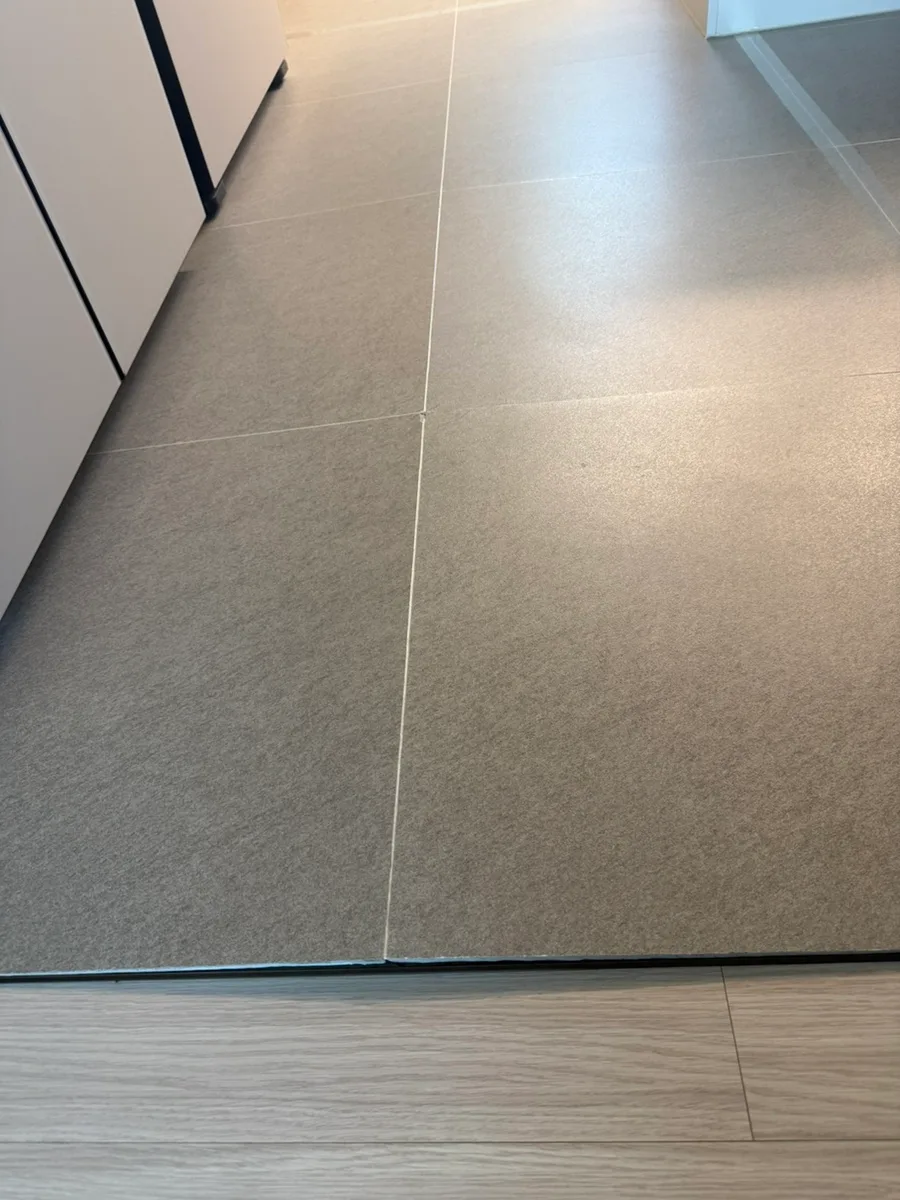
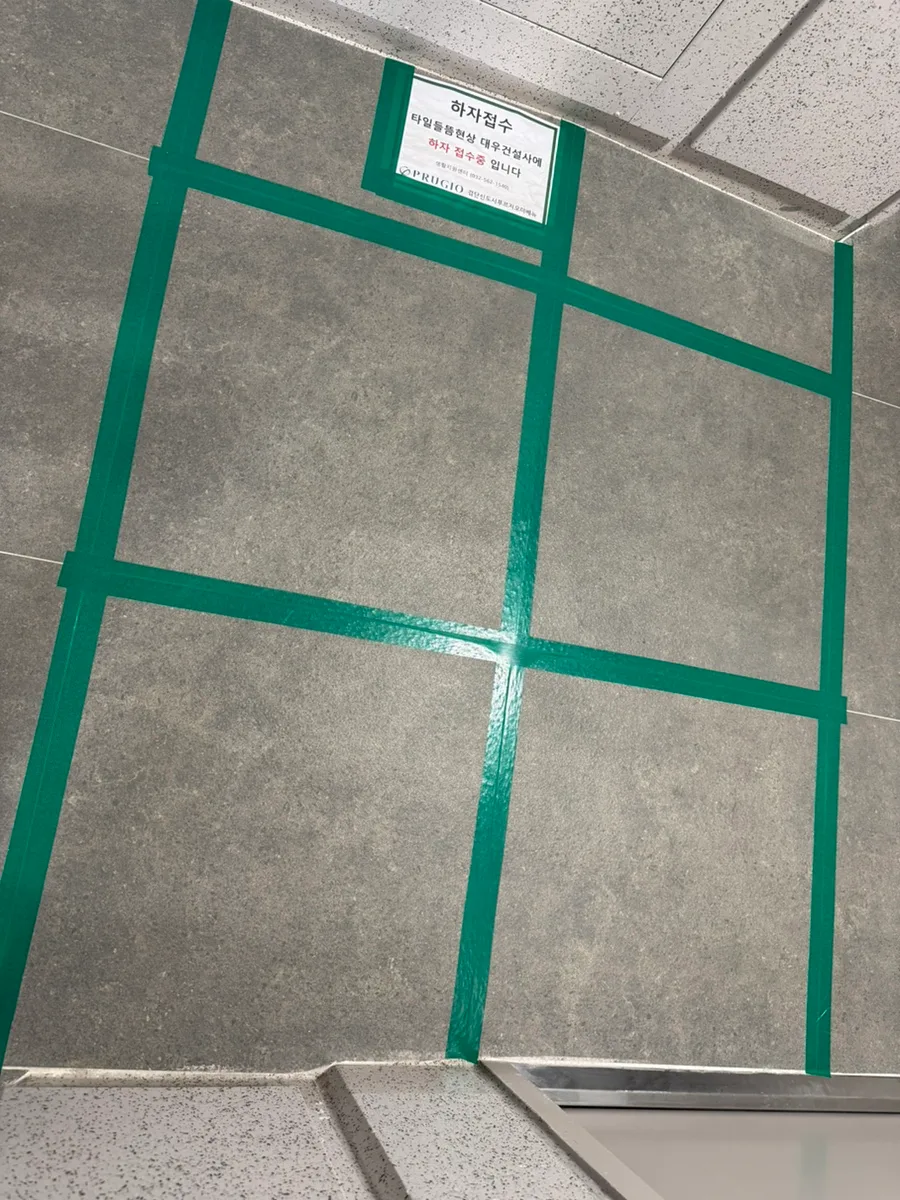
Many residents in newer Korean apartment complexes, like the Geumdangsin City Prugio The Venue, report issues with tile lifting and cracking, even within the first few years. These problems frequently appear in living room floors, bathrooms, and common hallways, with porcelain tiles in kitchens being particularly susceptible. The root causes are often a combination of factors: imperfect initial installation and adhesion, rapid temperature changes throughout the seasons, and the subtle, natural movement of the building structure over time. Addressing these underlying issues is crucial for a permanent repair, not just a cosmetic fix.
How to Repair Cracked or Lifting Tiles in Korean Homes
Tile damage isn't just an eyesore; it can pose safety risks, making prompt repair essential. The professional process for fixing lifted or cracked tiles involves several key steps. First, the damaged tiles are carefully removed. Then, the underlying subfloor is prepared by grinding or cleaning off old adhesive to ensure a strong bond for new tiles. Before new tiles are laid, a thorough protective covering, known as 'boyang' in Korean, is applied to safeguard surrounding areas from dust and debris. This protective step alone can take over two hours to ensure furniture and doorways are completely shielded. This meticulous preparation is fundamental to a successful and durable tile installation.
What Finishing Materials Are Used for Living Room & Hallway Tiles?
After the new tiles are securely in place, the grout lines are filled to complete the look and provide protection. For living room areas in Korean homes, durable and stain-resistant epoxy grout is often recommended. Epoxy grout is excellent at preventing water and grime from seeping in, making it ideal for high-traffic areas and easier to maintain. In common hallways, a clean and classic white cement-based grout is typically used for a seamless finish. Additionally, silicone sealant is applied along the edges where tiles meet walls or fixtures, ensuring a watertight seal and a polished, professional appearance. These finishing touches are vital for both aesthetics and longevity.
Choosing the Right Tile Repair Service in Korea
Repairing tile damage requires more than just replacing tiles; it demands identifying the root cause and implementing preventative measures against future issues. Selecting a reputable repair service is crucial. Look for companies with years of experience handling a wide range of tile problems, from minor cosmetic fixes to extensive renovations. They should demonstrate a clear understanding of how to prevent recurrence and possess meticulous finishing skills. For residents in Korea, exploring services that offer comprehensive solutions and prioritize customer satisfaction, like those focusing on 'K-interior' aesthetics, can lead to a truly transformed living space.
Consult with a K-interior specialist for detailed repair advice.