For older Korean apartments in 2026, achieving high satisfaction means focusing on enhancing daily convenience rather than a complete overhaul. Addressing realistic issues like cramped layouts, dim lighting, and insufficient storage is key to creating a more comfortable living space.
Why Do Older Korean Apartments Feel Smaller and Darker?
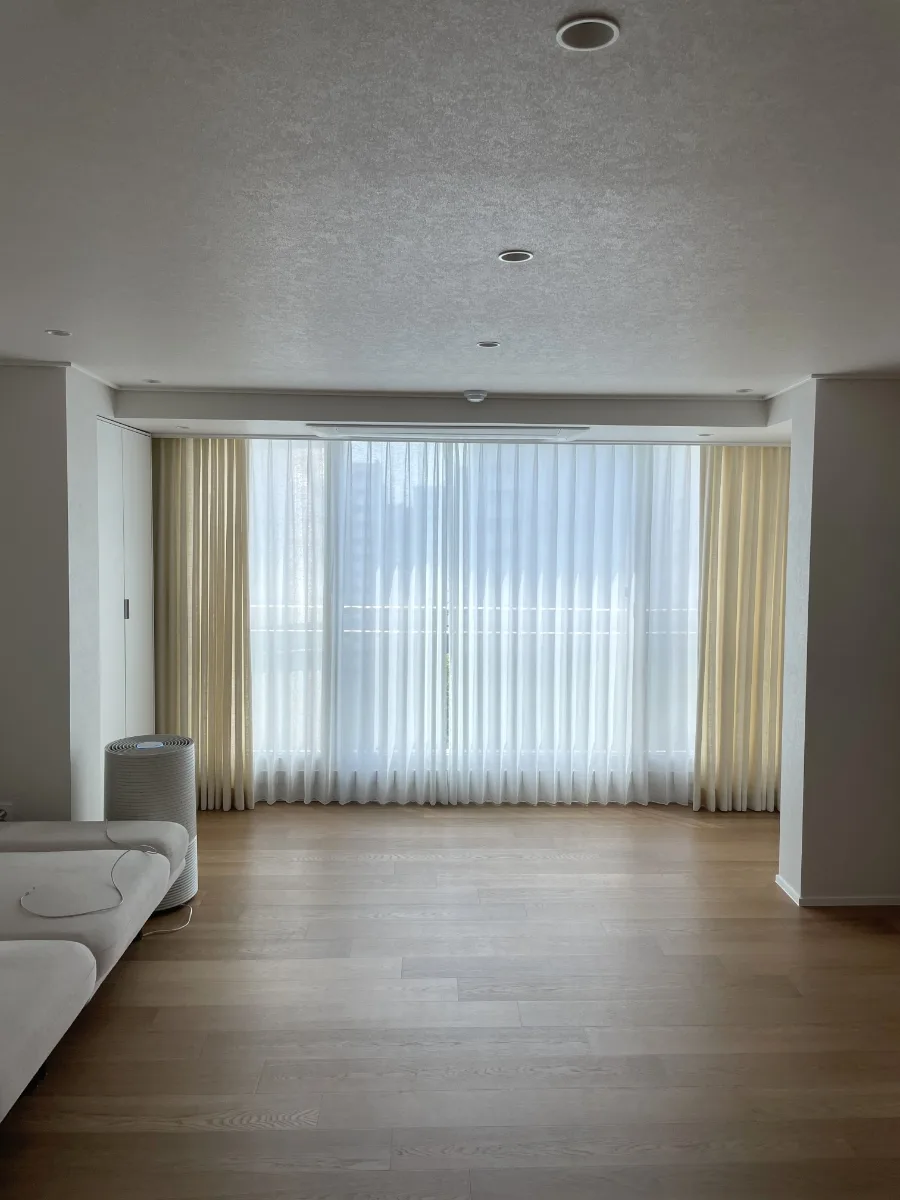
Older Korean apartments often feel smaller and darker due to lower ceiling heights and smaller window sizes. When combined with dark wood trim, yellowish lighting, bulky furniture, and extensive wall-mounted storage, the overall atmosphere can become quite cramped. Many homeowners find that the true measure of interior design success lies not just in replacing old items with new ones, but in effectively reducing this feeling of confinement. The current trend in renovating older Korean apartments emphasizes reducing clutter, simplifying wall designs, and using soft, diffused lighting to create a more relaxing environment.
This approach reflects a broader shift towards prioritizing actual living comfort over purely decorative elements.
Why is Changing Lighting More Effective Than Flooring for Older Apartments?
Related Articles
Many people consider lighting an afterthought during renovations, but for older Korean apartments, simply changing the lighting can dramatically transform the atmosphere. If your apartment has a single, harsh overhead light or a mix of cool and warm tones, it can make the space feel dated and tiring, especially at night. Modern approaches often involve using floor lamps, indirect lighting, warm-toned bulbs, and wall sconces to divide spaces and control brightness. Sometimes, a simple lighting upgrade can make a home feel significantly more welcoming and aesthetically pleasing than an expensive furniture replacement.
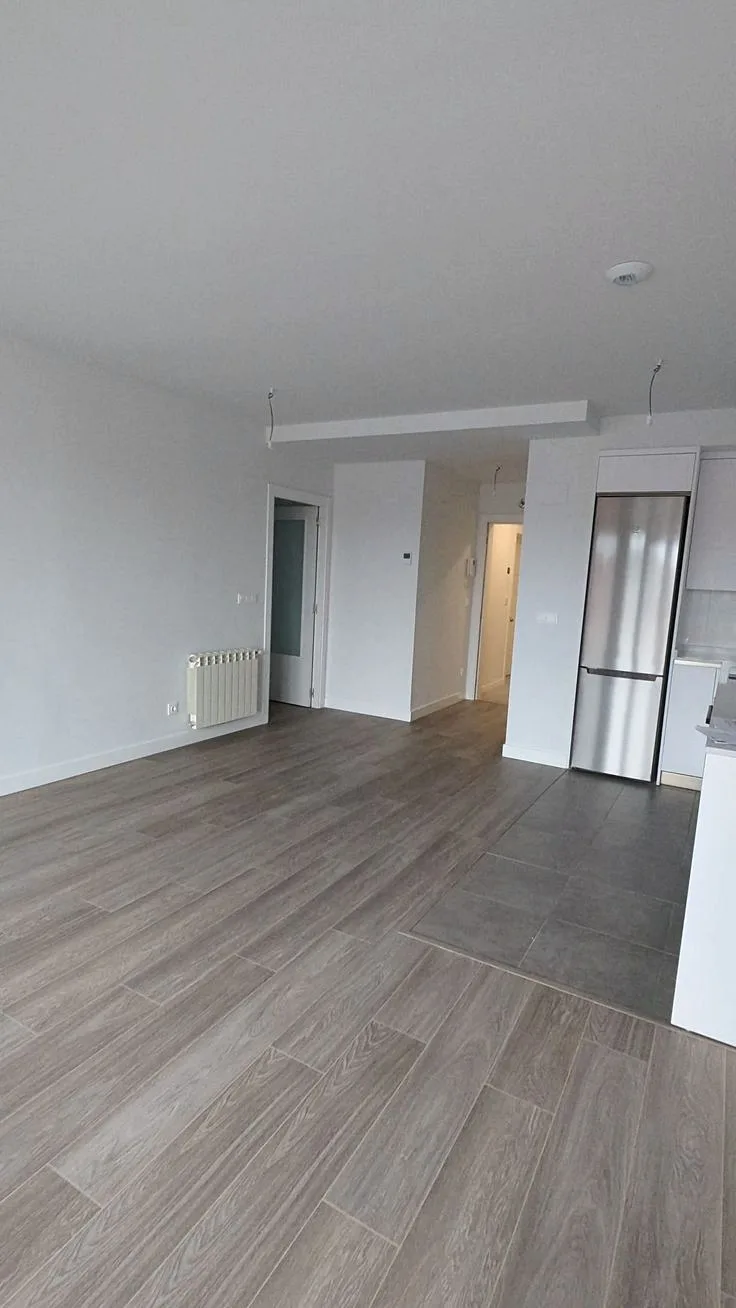
Therefore, careful lighting planning is a crucial element for renovating older Korean apartments.
Why Are Partial Renovations More Satisfying Than Full Overhauls for Older Apartments?
When first starting an older apartment renovation, the desire to replace everything—walls, floors, kitchen, bathrooms—is understandable. However, many highly satisfying renovation projects actually involve a significant portion of partial updates. Changing light fixtures, updating trim colors, applying new films, replacing doors, or refinishing countertops can drastically alter the home's feel. For older Korean apartments, it's most effective to first address the areas that cause the most daily inconvenience. For instance, improving a dark entryway, adding storage, or optimizing kitchen workflow can lead to greater long-term satisfaction. These targeted improvements are often more budget-friendly and yield a higher perceived benefit compared to a full, costly renovation.
Why is White and Wood Interior Popular for Older Korean Apartments?
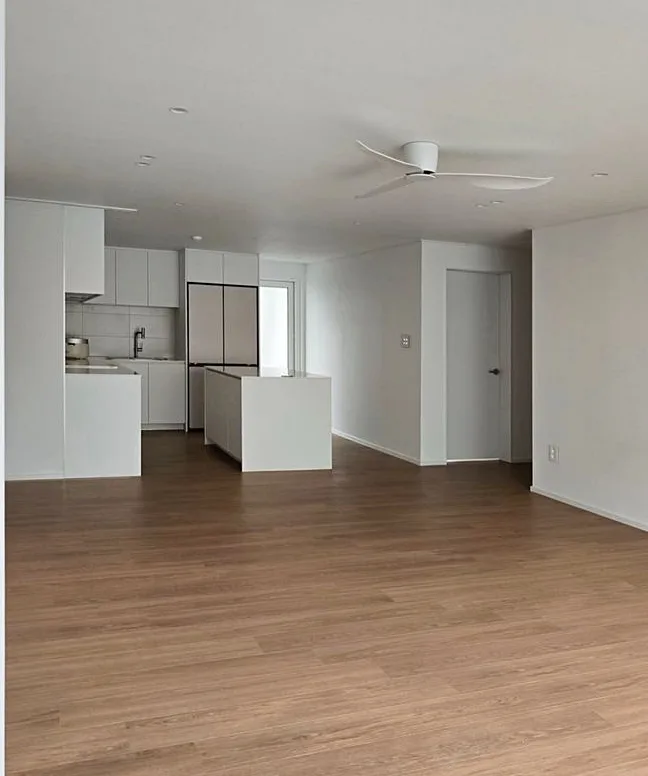
The prevalence of the white and wood aesthetic in older Korean apartment renovations stems from its ability to counteract the inherent darkness and create a brighter, more spacious feel. However, simply using white everywhere doesn't guarantee a beautiful outcome. In homes with limited storage, sticking strictly to minimalism might lead to practical difficulties. White surfaces also require more diligent cleaning and maintenance. Therefore, when renovating an older Korean apartment, it's essential to prioritize practical considerations like your actual lifestyle, ease of cleaning, and efficient storage flow over blindly following trends. Developing a realistic plan based on your personal habits and understanding of your home is the key to a renovation you'll love for years to come.
For more details, check the original source below.