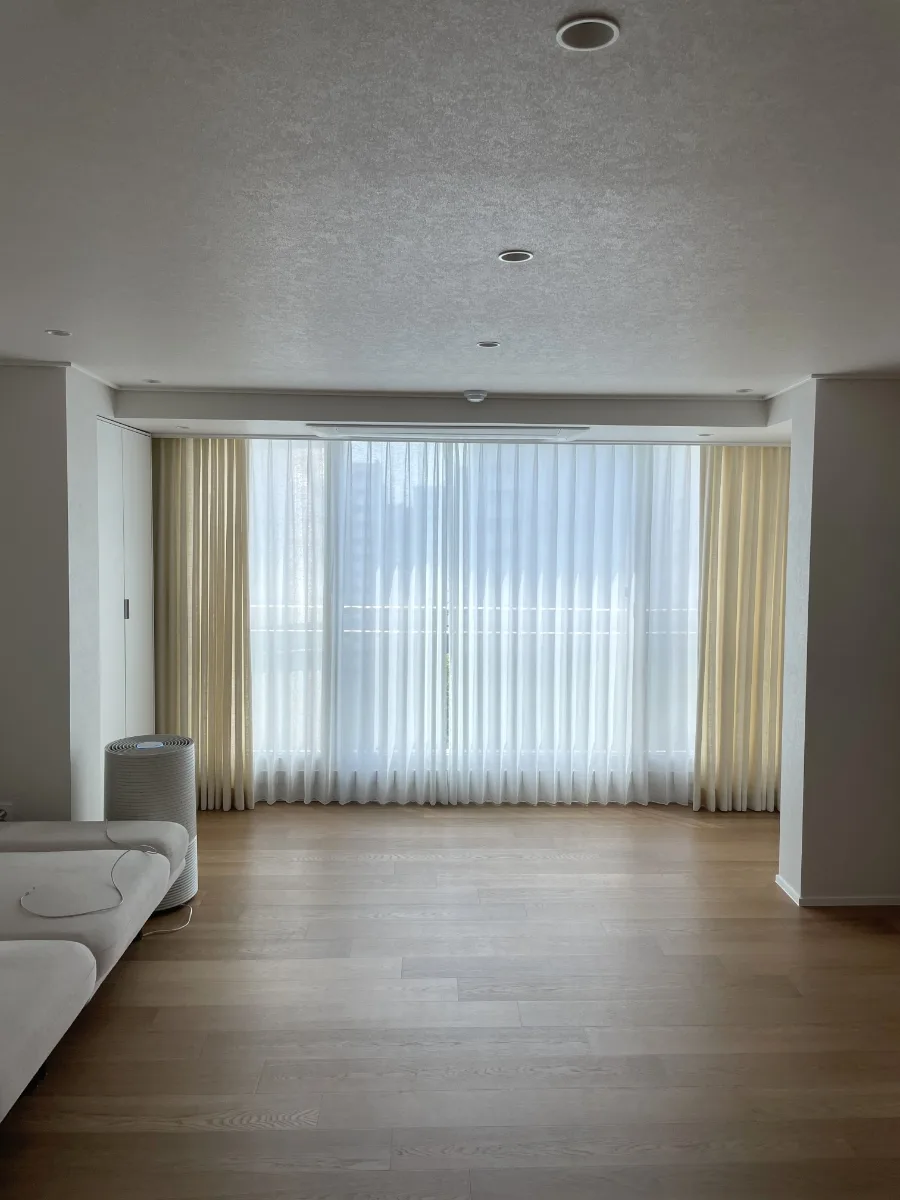
Embracing Korean minimalism in your home can transform a living space into a serene sanctuary. This approach focuses on clean lines, natural materials, and intentional design, creating an atmosphere of calm and order. Popularized by K-interior trends, this aesthetic emphasizes functionality without sacrificing beauty, making it ideal for modern living. Think of it as a blend of Muji's simplicity with a uniquely Korean touch, prioritizing decluttering and thoughtful arrangement to maximize both space and peace of mind.
What is the 'Korean Apartment Aesthetic' for 2026?
The Korean apartment aesthetic for 2026 is all about achieving a sense of calm and order through thoughtful, minimalist design. It moves beyond mere decoration to create a functional and visually pleasing environment. Key elements include a neutral color palette, natural materials like wood and stone, and smart storage solutions that keep clutter out of sight. This style is heavily influenced by K-interior trends, which often feature clean lines, subtle curves, and an emphasis on natural light. For instance, a common technique involves using curved design elements on walls or furniture to soften spaces and create a more organic flow, a concept that resonates well with American homeowners looking to create a more tranquil living environment. Brands like IKEA, CB2, and West Elm offer pieces that can help achieve this look, alongside readily available options on Amazon.
How to Achieve a Minimalist Korean Home Decor Style
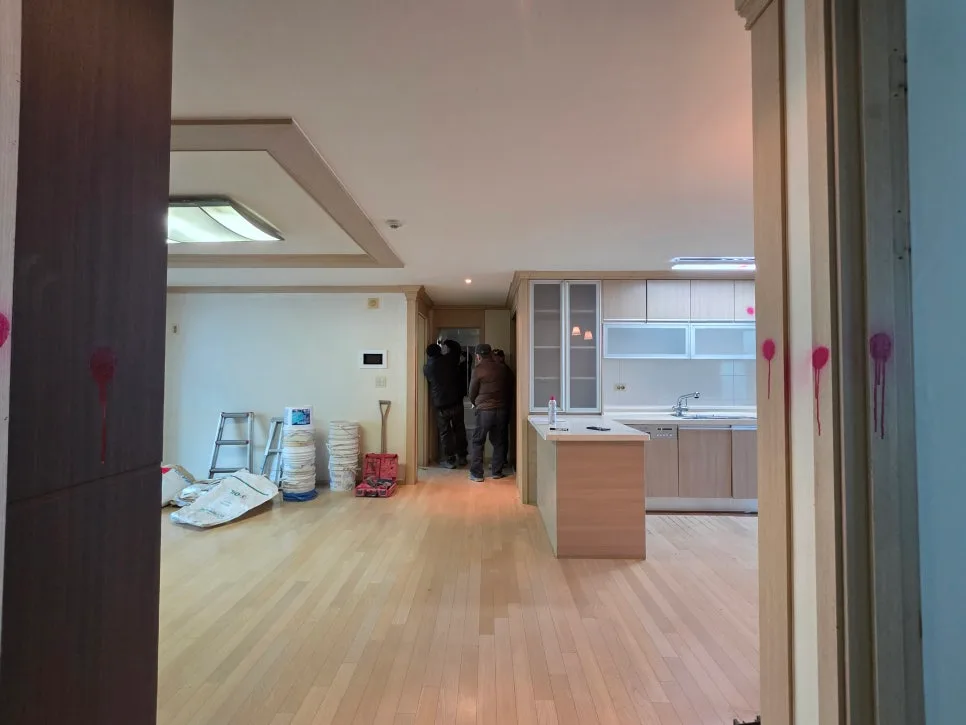
Achieving a minimalist Korean home decor style involves a strategic approach to decluttering and design. Start by decluttering ruthlessly, keeping only items that are functional or hold significant meaning. Opt for furniture with clean lines and a low profile, reminiscent of Muji or Scandinavian design, which are easily found at stores like IKEA or Target. Incorporate natural materials such as light-colored wood for flooring, furniture, or accent pieces. Neutral paint colors like off-white, beige, or soft gray form the base of the palette. Smart storage is crucial; think built-in wardrobes, hidden cabinets, and multi-functional furniture. For example, a curved wall design can not only add visual interest but also create a sense of depth and can be integrated with custom shelving for storage. This approach ensures that every item has its place, contributing to an overall sense of spaciousness and tranquility.
Best Ways to Maximize Small Korean Apartment Spaces
Maximizing small Korean apartment spaces, often referred to as 'K-interior' or 'Korean apartment style,' relies on clever design and multi-functional solutions. One effective strategy is to extend storage by integrating built-in wardrobes or custom shelving units that utilize every inch of available space, such as wrapping around corners or into alcoves. Removing non-essential walls, like a dividing wall in a dressing room, can create a more open and expansive feel. For kitchens, consider extending cabinetry or using wall-mounted solutions to keep countertops clear. In bathrooms, utilizing wall space for storage and opting for wall-mounted vanities can make the area feel larger. Even seemingly awkward architectural features, like a 'wing wall' in a living area, can be transformed into functional storage or a decorative element with a curved design, adding both aesthetic appeal and practicality. This thoughtful use of space is a hallmark of efficient Korean home design.
Common Mistakes to Avoid in Korean Minimalist Interior Design
When adopting a Korean minimalist interior design, several common mistakes can detract from the intended aesthetic. One is over-cluttering; while the goal is minimalism, it's easy to accumulate too many items. Be sure to regularly declutter and ensure everything has a designated storage spot. Another mistake is neglecting functionality for pure aesthetics. Korean design emphasizes practicality, so ensure furniture is comfortable and storage solutions are efficient. Avoid using too many different materials or textures, which can disrupt the clean, cohesive look; stick to a limited palette of natural materials. Also, be mindful of lighting; insufficient or harsh lighting can make a minimalist space feel cold. Opt for layered lighting, including ambient, task, and accent lights, to create a warm and inviting atmosphere. Finally, don't be afraid to incorporate subtle curves or organic shapes, as this adds softness and prevents the space from feeling too stark or sterile, a common pitfall in overly rigid minimalist approaches.
English crawl path
Next English reads from this pilot cluster
Continue through the category hub, latest English stories, and related posts so this translated article is not an isolated URL.
Tags
💬Frequently Asked Questions
What should I check first in Korean Apartment Style 2026: Minimalist Makeover Guide?
Does this Home & Interior article link back to the Korean source?
Where can I find similar English stories?
English discovery path
Explore more English K-culture stories
Keep browsing the indexed English pilot cluster so Google and readers can move between this story, the category hub, and fresh discovery pages.
Original Source
Read the Korean original