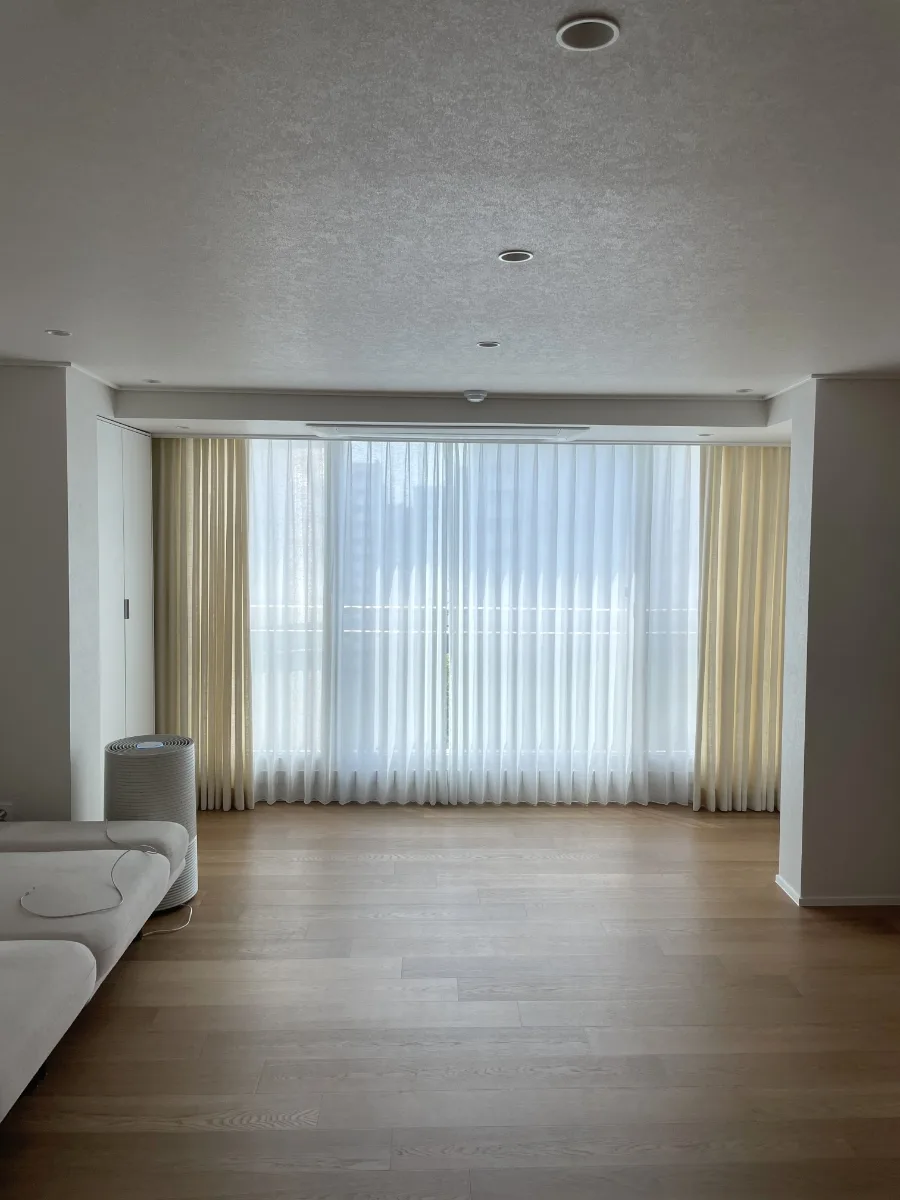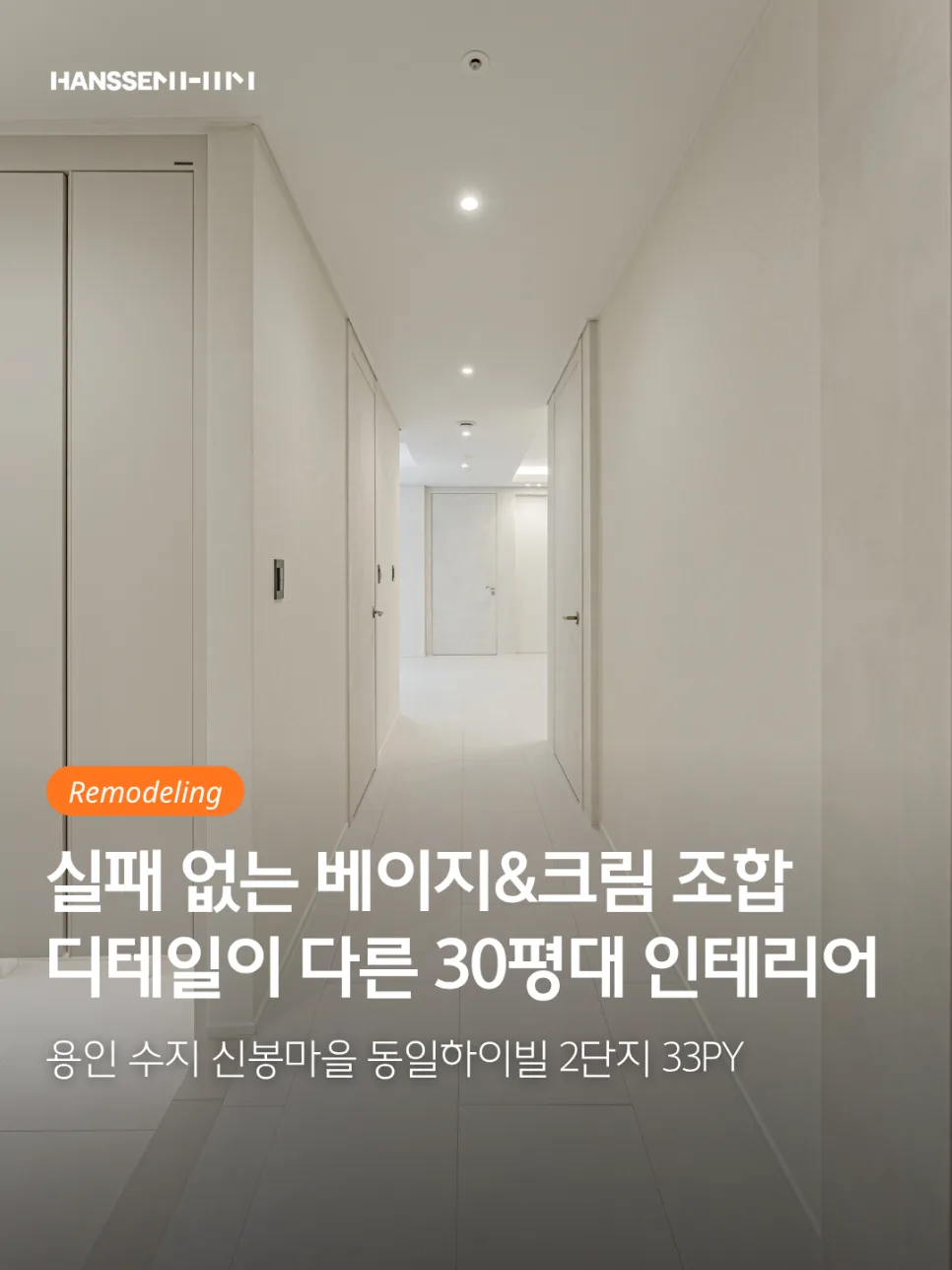
Achieve a serene and functional living space with the Korean apartment style, focusing on minimalism and smart design. This approach prioritizes clean lines, natural light, and efficient storage, creating a calming atmosphere that feels both modern and timeless. Think Muji-inspired aesthetics blended with practical Korean home decor solutions, perfect for maximizing smaller urban dwellings.
What Defines the Korean Apartment Aesthetic in 2026?
The Korean apartment aesthetic, often referred to as K-interior, is characterized by its emphasis on creating a sense of spaciousness and tranquility, even in compact urban environments. Unlike Western approaches that might favor bold statements or maximalist decor, K-interior leans towards a subtle, understated elegance. This often involves a neutral color palette, primarily using creams, whites, and soft beiges, to make spaces feel larger and brighter. Natural materials like wood and stone are frequently incorporated, adding warmth and texture. Smart storage solutions are paramount, with built-in cabinets and minimalist furniture designed to keep clutter out of sight, contributing to an overall sense of order and calm. This design philosophy is gaining traction in the US, with many finding inspiration in its clean, functional, and aesthetically pleasing qualities.
How to Achieve a Minimalist Korean Interior Design
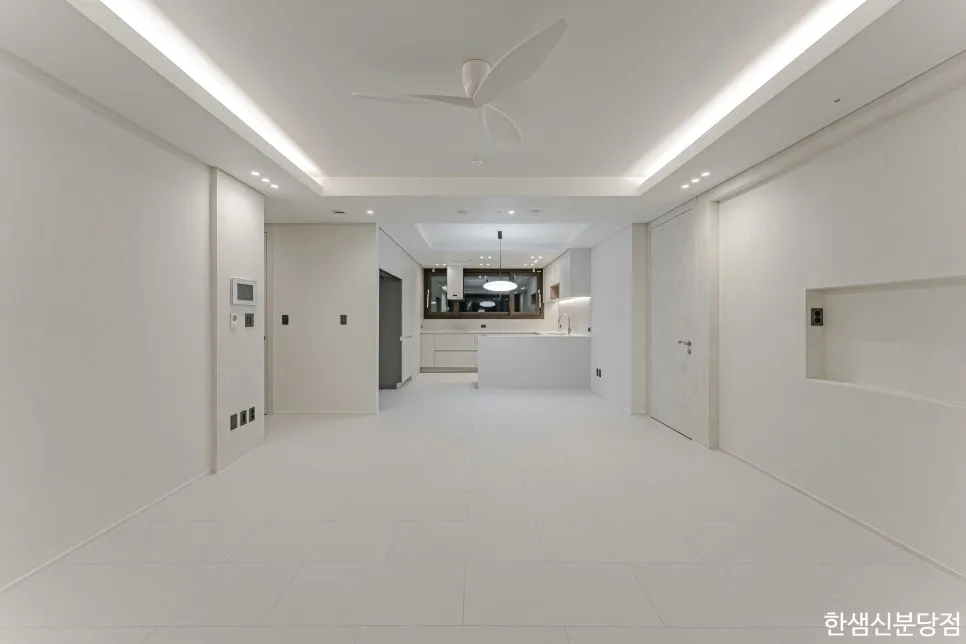
Creating a minimalist Korean interior involves a strategic approach to space planning and material selection. Start with a neutral base: think light-colored walls (like a soft cream or off-white) and complementary flooring. For the entryway, consider a sleek shoe cabinet with ample storage and perhaps a mirrored door to enhance the sense of space, paired with light-colored, large-format tiles for a clean, sophisticated look. In the living area, opt for a semi-recessed TV wall to maintain clean lines and install a ceiling fan for both function and aesthetic appeal. Incorporating indirect lighting, such as LED strips hidden in coves or behind furniture, can create a soft, ambient glow that makes the room feel more expansive and inviting. This focus on subtle details and functional beauty is key to the K-interior look, making it accessible through brands like IKEA, CB2, and Amazon.
Korean vs. Western Interior Design: Key Differences
While Western interior design often embraces a variety of styles, from rustic to industrial, and can sometimes lean towards more elaborate or decorative elements, Korean interior design prioritizes a cohesive and minimalist aesthetic. A significant difference lies in the approach to existing structures. In Korea, there's a strong emphasis on cost-effectiveness and sustainability, leading to practices like refacing existing cabinets with new film instead of replacing them entirely, or reusing windows if they are still functional. This contrasts with a more common Western tendency to gut and replace. Furthermore, Korean design often incorporates subtle technological integrations, like semi-recessed TV units or smart lighting, designed to be unobtrusive. The goal in K-interior is to create a harmonious, uncluttered environment that promotes well-being, often drawing inspiration from nature and Japanese Muji-style principles.
Common Mistakes to Avoid in Korean-Inspired Home Decor
When adopting a Korean-inspired interior style, it's crucial to avoid common pitfalls that can detract from the intended minimalist and functional aesthetic. One frequent mistake is over-cluttering the space; the core of K-interior is about intentionality and minimizing visual noise. Resist the urge to fill every surface with decor. Another error is neglecting smart storage solutions; while the look is minimalist, functionality is key, so ensuring ample hidden storage is essential. Additionally, failing to maintain a cohesive color palette can disrupt the serene atmosphere. Sticking to a limited range of neutral tones and ensuring consistency across different elements, like walls, furniture, and textiles, is vital. Finally, avoid unnecessary demolition or replacement of perfectly functional elements; the Korean approach values resourcefulness, so consider refacing or repurposing existing features before opting for complete replacement.
For more details on achieving this style, explore the original source.