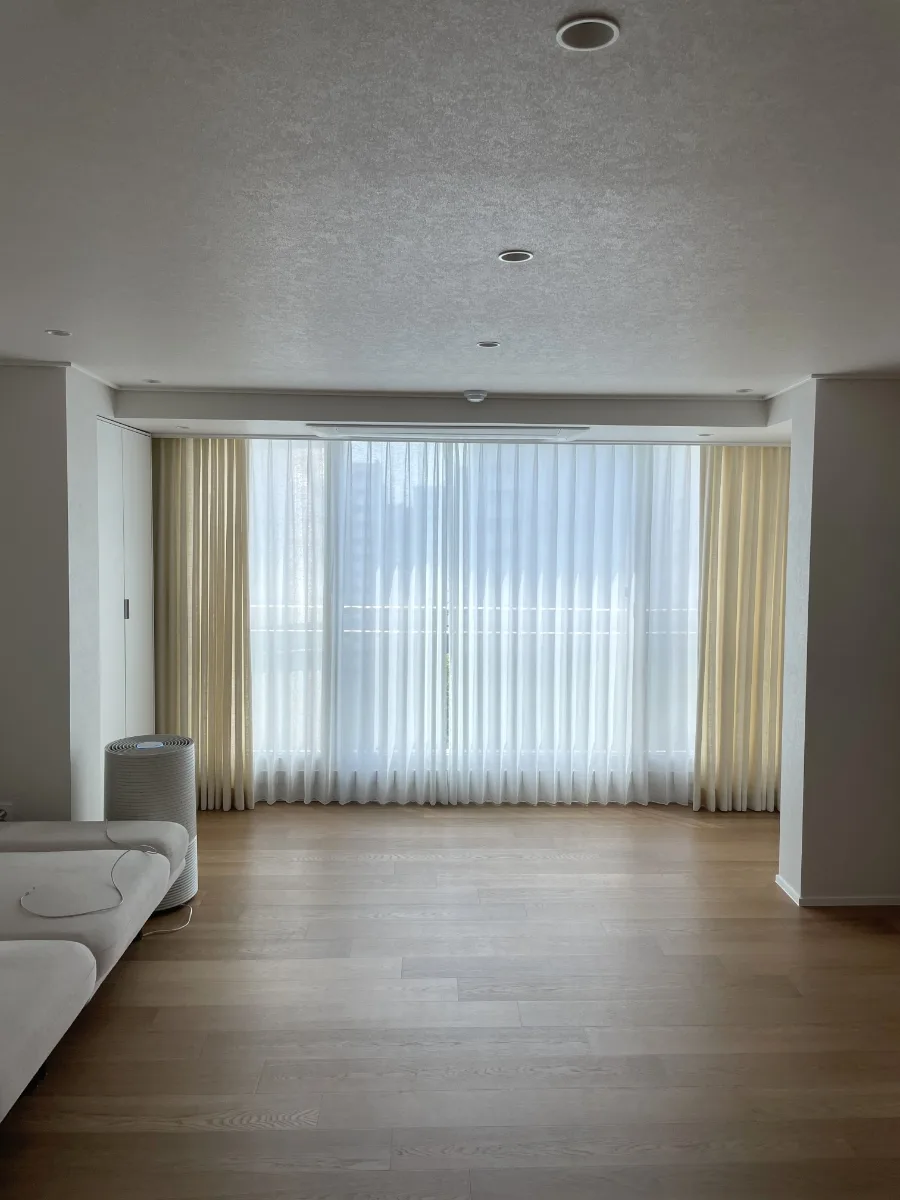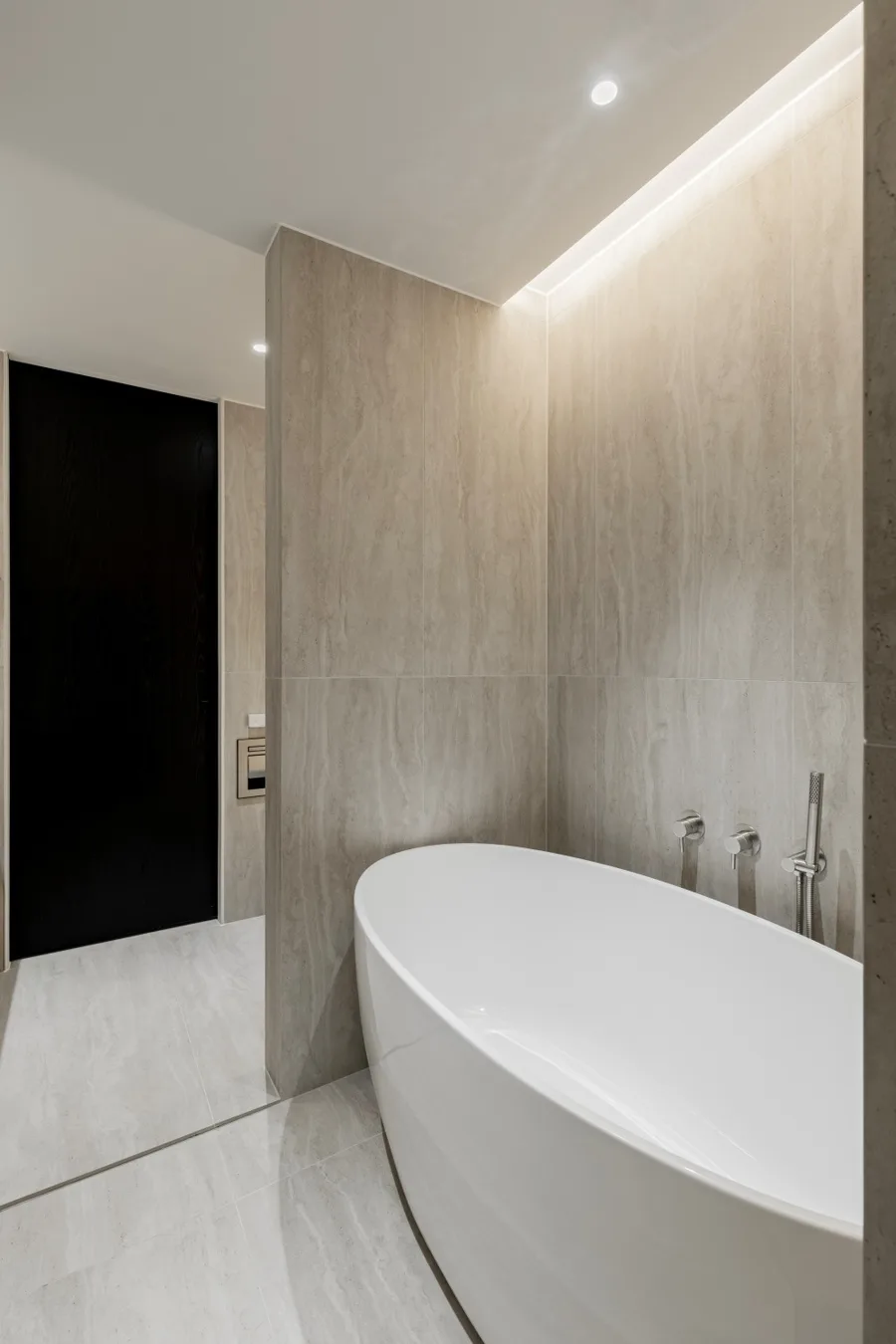
Dreaming of a serene, clutter-free living space? Korean apartment style, often called K-interior, embraces minimalism, functionality, and natural aesthetics to create calming, personalized homes. This approach focuses on maximizing space, incorporating smart storage, and using a neutral color palette with natural materials, making it a perfect fit for modern US living.
What Makes Korean Apartment Style So Popular in the US?
Korean interior design, or K-interior, has surged in popularity among US homeowners and renters seeking a more intentional and peaceful living environment. Unlike Western styles that can sometimes lean towards maximalism, Korean minimalism prioritizes a sense of calm and order. This aesthetic is heavily influenced by brands like MUJI, known for its simple, functional, and natural designs, and can be found reflected in stores like IKEA, CB2, and West Elm. The 'Korean apartment aesthetic' trend on platforms like Pinterest and Instagram showcases how achievable this look is, even in smaller urban spaces. It’s not just about looks; it’s about creating a mindful sanctuary that enhances well-being, a concept resonating deeply with Americans looking to declutter their lives and homes.
How to Achieve a Korean Minimalist Interior Design
Creating a Korean-inspired minimalist home involves a strategic approach to design and organization. Start with a neutral color palette – think whites, creams, soft grays, and natural wood tones – to establish a serene base. Prioritize functionality by incorporating smart storage solutions that keep clutter out of sight; built-in shelving and minimalist furniture with hidden compartments are key. Natural materials like wood, bamboo, and linen add warmth and texture, softening the minimalist look. Consider incorporating elements like shoji screens or low-profile furniture to enhance the authentic feel. For US shoppers, look for pieces at IKEA for affordable, minimalist options, CB2 or West Elm for more contemporary takes, and Amazon for a wide range of storage solutions and decor items that fit the K-interior vibe.
Korean vs. Western Apartment Design: Key Differences
The primary distinction between Korean and Western apartment design lies in their core philosophies. Western design often emphasizes individual expression through varied styles, bold colors, and decorative elements, sometimes leading to a more cluttered appearance. In contrast, Korean interior design, particularly the minimalist trend, champions a 'less is more' philosophy. Functionality and efficient space utilization are paramount, with every element serving a purpose. While Western design might focus on statement pieces, K-interior emphasizes harmony, balance, and a connection to nature through materials and a subdued color scheme. Think of it as the difference between a vibrant, bustling city square (Western) versus a tranquil Zen garden (Korean). This focus on creating a peaceful, organized, and highly functional living space is what draws many Americans to the Korean aesthetic.
Common Mistakes to Avoid in Korean-Inspired Decor
When adopting a Korean interior style, it's easy to fall into common pitfalls. One major mistake is mistaking minimalism for starkness; Korean design incorporates warmth through natural materials and subtle textures, so avoid making a space feel cold or empty. Another error is neglecting functionality for aesthetics; remember that smart storage and practical layouts are crucial to the K-interior philosophy. Over-accessorizing can also undermine the minimalist goal, so be selective with decorative items, opting for pieces that hold personal meaning or add to the overall sense of calm. Finally, ensure you're not just copying the look but understanding the underlying principles of creating a harmonious and peaceful living environment. Authenticity comes from embracing the lifestyle as much as the aesthetic.
For more inspiration on creating your own Korean-inspired sanctuary, explore the original source below.