Maximizing your apartment space for a comfortable and stylish living area in 2026 is all about smart layout design, strategic use of light and color, and reinventing storage solutions. This guide breaks down practical, actionable tips to transform your apartment into a spacious haven.
How to Design Flow for Wider-Looking Apartments?
The first step to efficiently using your apartment space is optimizing traffic flow. Ensure pathways to frequently used areas are wide and free of obstructions to enhance daily convenience. Placing large furniture pieces against walls and leaving the central area open can create a visual expansion of the space. For example, arranging your living room sofa against a wall with a coffee table in the center clearly defines the flow and enhances the sense of openness. This kind of layout planning allows for unobstructed movement throughout your home, significantly improving your quality of life.
How to Maximize Space with Multi-Functional Furniture and Storage Systems?

For smaller apartments, the use of multi-functional furniture is essential. Items like sofas with built-in storage, lift-top coffee tables, or foldable chairs that can be stored away when not in use help maximize space efficiency. Redesigning your storage can also make your home feel much tidier. Strategically mix visible and hidden storage: place everyday items on open shelves for easy access, and tuck away recyclables or less frequently used items in cabinets or boxes. Using uniform storage containers with labels and actively utilizing often-overlooked spaces like behind doors, under beds, or above entryway cabinets are key. These storage strategies are crucial for maintaining an organized home environment.
What's the Secret to Expanding Space with Lighting and Mirrors?
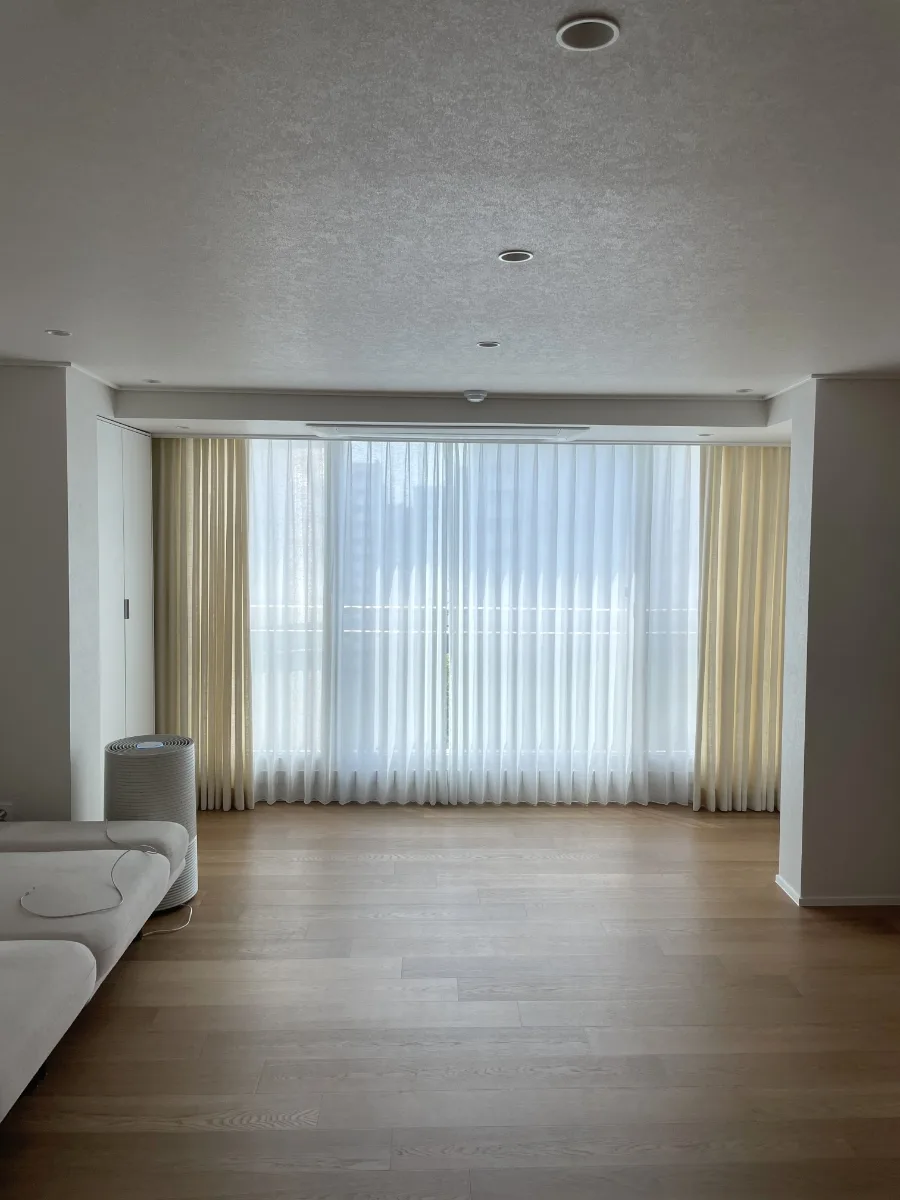
Lighting and mirrors are magical tools for making spaces appear larger and brighter. Maximize natural light by using light-weight curtains, and strategically place light-colored walls or large mirrors to reflect light, making the interior feel more spacious and airy. Layered lighting, combining ceiling lights, floor lamps, and table lamps, allows for creating various ambiances throughout the day. Soft, indirect lighting, in particular, can add a touch of sophistication and coziness to your living room in the evening. Mirrors go beyond mere decoration, offering a visual trick to expand your living area.
How to Use a Unified Color Palette and Accent Colors?
Limiting your home's color scheme to two or three main colors can make the space appear more organized and expansive. Adding an accent color can then inject personality and create a sophisticated interior. A current trend involves combining nature-inspired neutral tones with pops of vivid colors for a look that's both simple and unique. Changing accent colors seasonally with items like cushions, rugs, or small decor pieces is also a great idea. For instance, opt for pastels in spring for a bright feel, or warm, earthy tones in autumn. This color strategy breathes life into your space while maintaining visual harmony.
What Are Common Mistakes and Precautions When Utilizing Apartment Space?
Common mistakes when optimizing apartment space include overcrowding with too much furniture or poor furniture placement that ignores traffic flow. Insufficient storage often leads to clutter. While placing all furniture against walls might seem like a way to widen a room, it can sometimes feel cramped; leaving some open space is important. Similarly, using too many colors can make a space look chaotic, so sticking to a palette of 2-3 colors is advisable. Keeping these points in mind can help you efficiently design your own space. The ideal space utilization method varies based on individual lifestyles and preferences, so consulting with a designer can also be beneficial.
For more details, check the original source below.