To make a small Korean apartment kitchen feel larger, focus on removing non-essential walls and strategically placing home bar cabinets towards the living area. For a 30-pyeong (approx. 1000 sq ft) apartment, aim for about 10 recessed ceiling lights (downlights) around the perimeter, supplemented by indirect lighting for optimal brightness.
How to Make a Small Korean Kitchen Look Bigger?
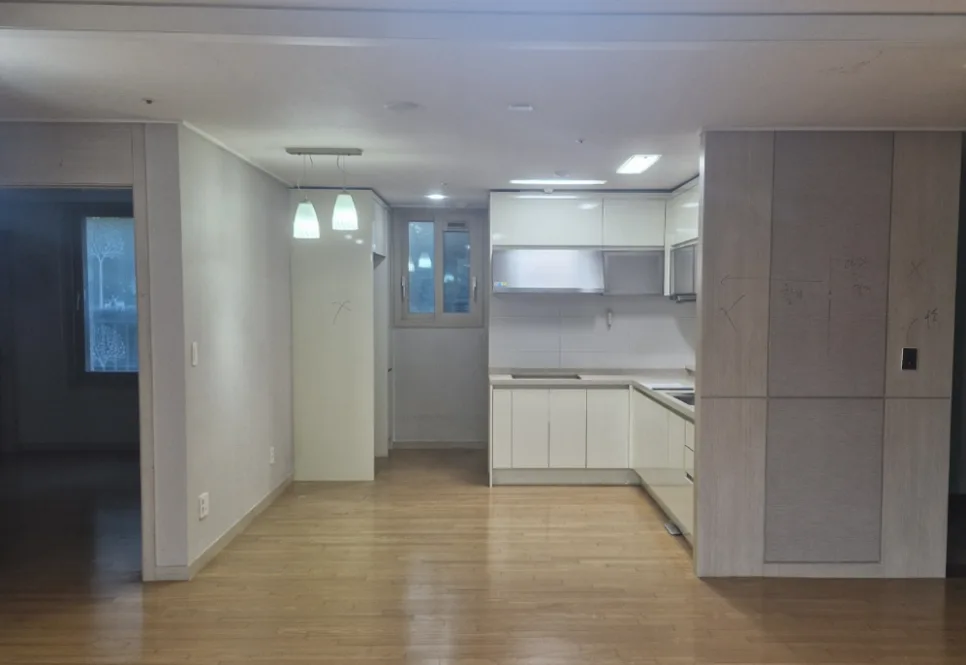
Many apartment layouts in areas like Gwanggyo, Suwon, feature long, narrow kitchens that can feel cramped. Based on practical experience, here are effective tips to visually expand your kitchen space without major renovations. First, consider removing a non-load-bearing wall next to the sink. This wall can make the kitchen feel enclosed; removing it creates a much more open and airy atmosphere. Always confirm with your building management if wall removal is permissible by checking the unit's floor plan. Second, think about the placement of your home bar or tall cabinets. Instead of facing the sink, orienting them towards the living room or dining area creates a sense of openness, making the space feel less like a confined box. In a recent project in Gwanggyo, applying these two simple changes dramatically enhanced the perceived space, much to the client's delight.
Sliding Doors: Choosing Between Top-Hung and Bottom-Track Systems
Related Articles
Sliding doors, or 'jungmun' in Korean, generally come in two main types: top-hung and bottom-track systems. Bottom-track doors are common but can accumulate dust and debris in the floor track, potentially causing them to stick or become difficult to slide over time. Top-hung systems, on the other hand, offer easier floor cleaning as there's no track obstruction, contributing to a cleaner look. However, top-hung doors bear all the weight on the upper track, which might lead to more movement compared to bottom-track systems. While we often recommend bottom-track doors for stability, we can install top-hung systems upon request. The best choice depends on your specific space, aesthetic preferences, and maintenance routine.
How Many Downlights Are Ideal for a 20-Pyeong Apartment Living Room?
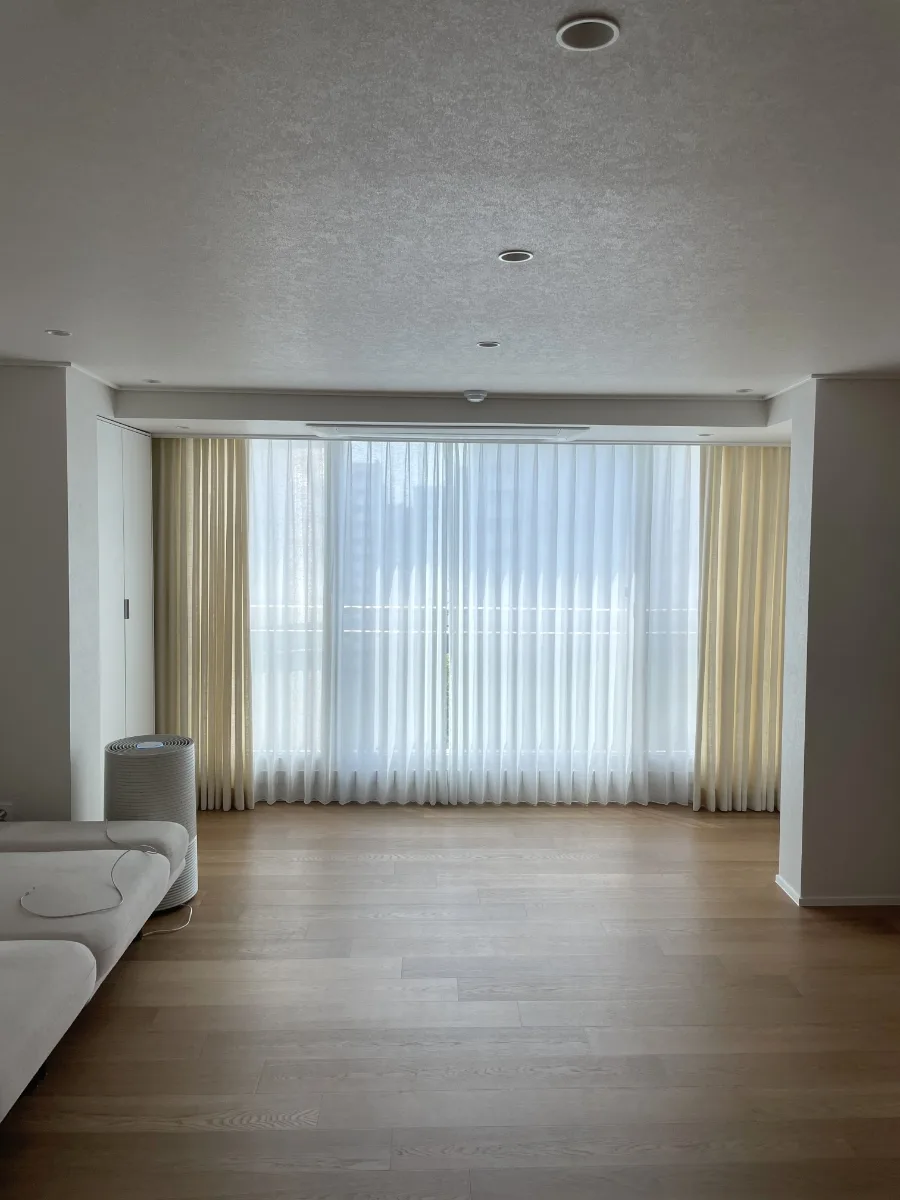
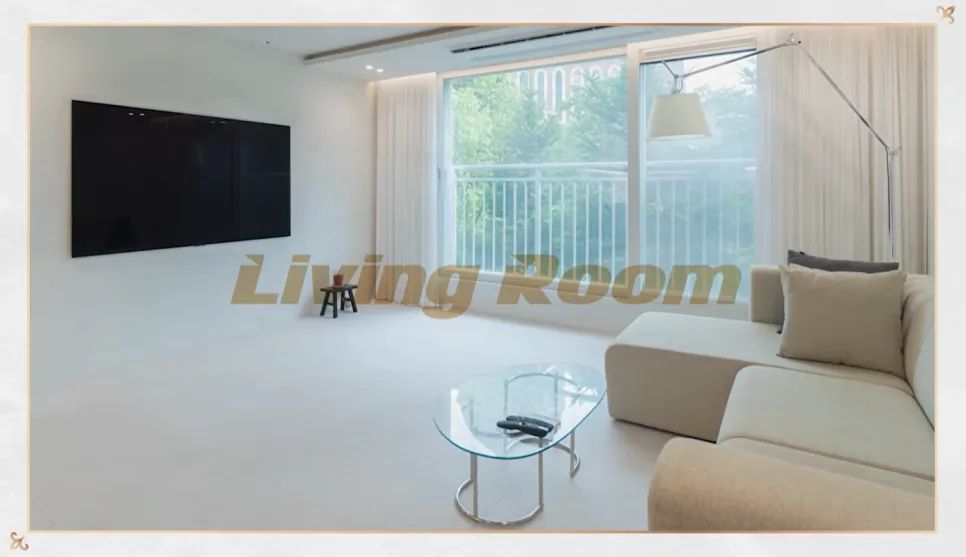
Installing too many downlights can actually make a ceiling look cluttered rather than brighter. For a typical 30-pyeong (approx. 1000 sq ft) living room, a good starting point is around 10 downlights, with about five placed along each main wall. Supplementing these with recessed ambient lighting (cove lighting) can provide ample brightness for evenings and create a cozy atmosphere. For apartments in the 20-30 pyeong range (approx. 700-1000 sq ft), the key to a spacious and tidy feel lies in maintaining a consistent, clean color palette throughout the home, maximizing storage solutions, and keeping clutter out of sight. Adding accent lighting, carefully chosen furniture, and plants can further enhance the overall ambiance.
What Are the 3 Key Elements for Gwanggyo Apartment Interiors?
Achieving a spacious and functional interior in 20-30 pyeong apartments hinges on three core principles. Firstly, maintaining a cohesive and clean color scheme throughout the entire home is crucial. Secondly, maximizing built-in storage solutions helps keep living areas tidy and organized. This minimizes visual clutter, making the space feel larger and more serene. Thirdly, thoughtful lighting design, incorporating both functional downlights and ambient accent lighting, plays a significant role in defining the mood and perceived size of a room. By focusing on these elements, you can create an apartment that feels both expansive and comfortable, embodying the popular Korean minimalist aesthetic.