Transforming your living space with Korean interior film offers a cost-effective way to achieve a trendy, modern aesthetic. This guide details how interior film can revitalize key areas like your entryway, kitchen, and built-in closets, turning an older apartment into a fresh, stylish home. We’ll cover the dramatic before-and-after transformations and the benefits of this popular K-interior trend.
What is the Korean Apartment Aesthetic?
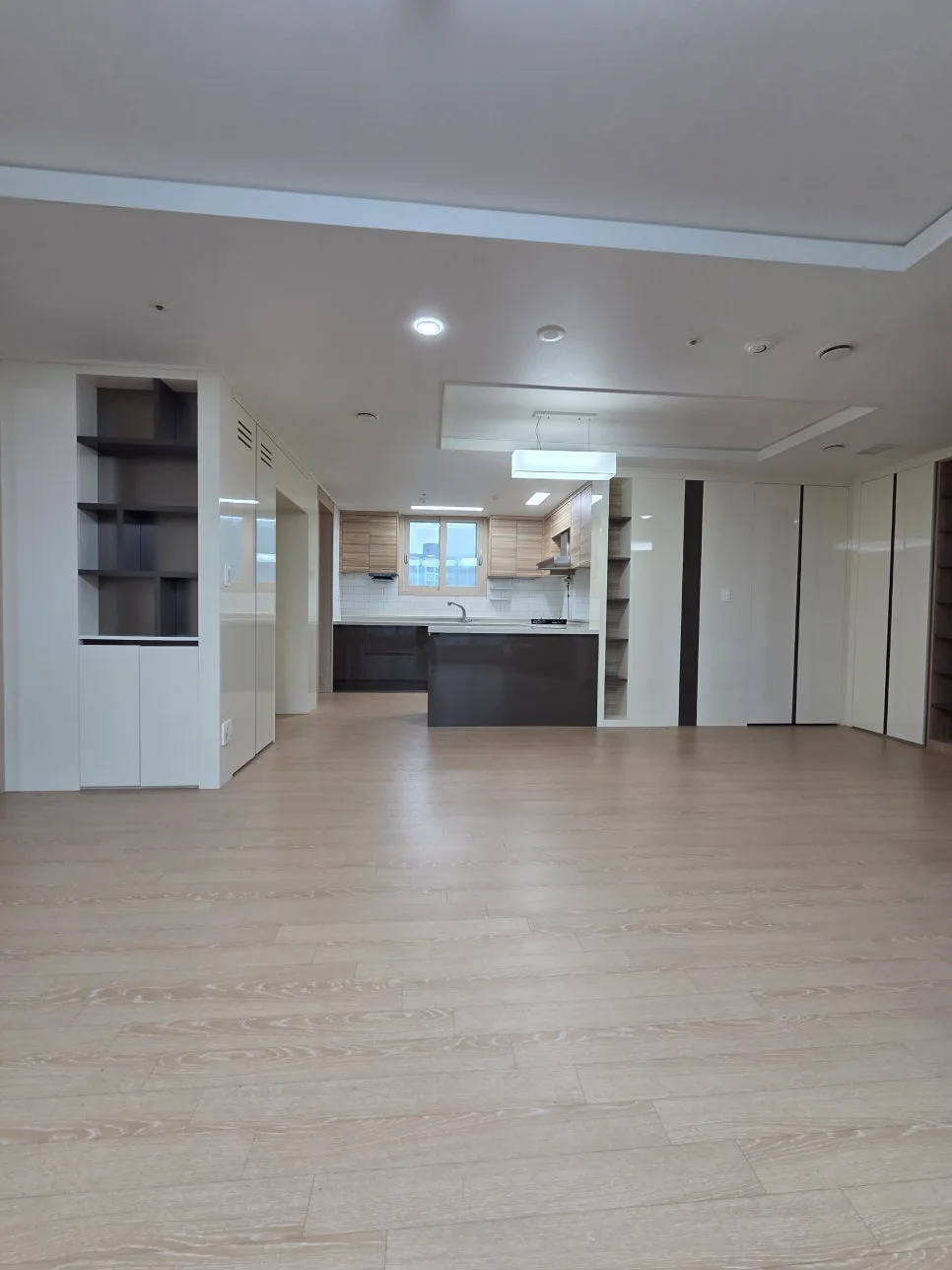
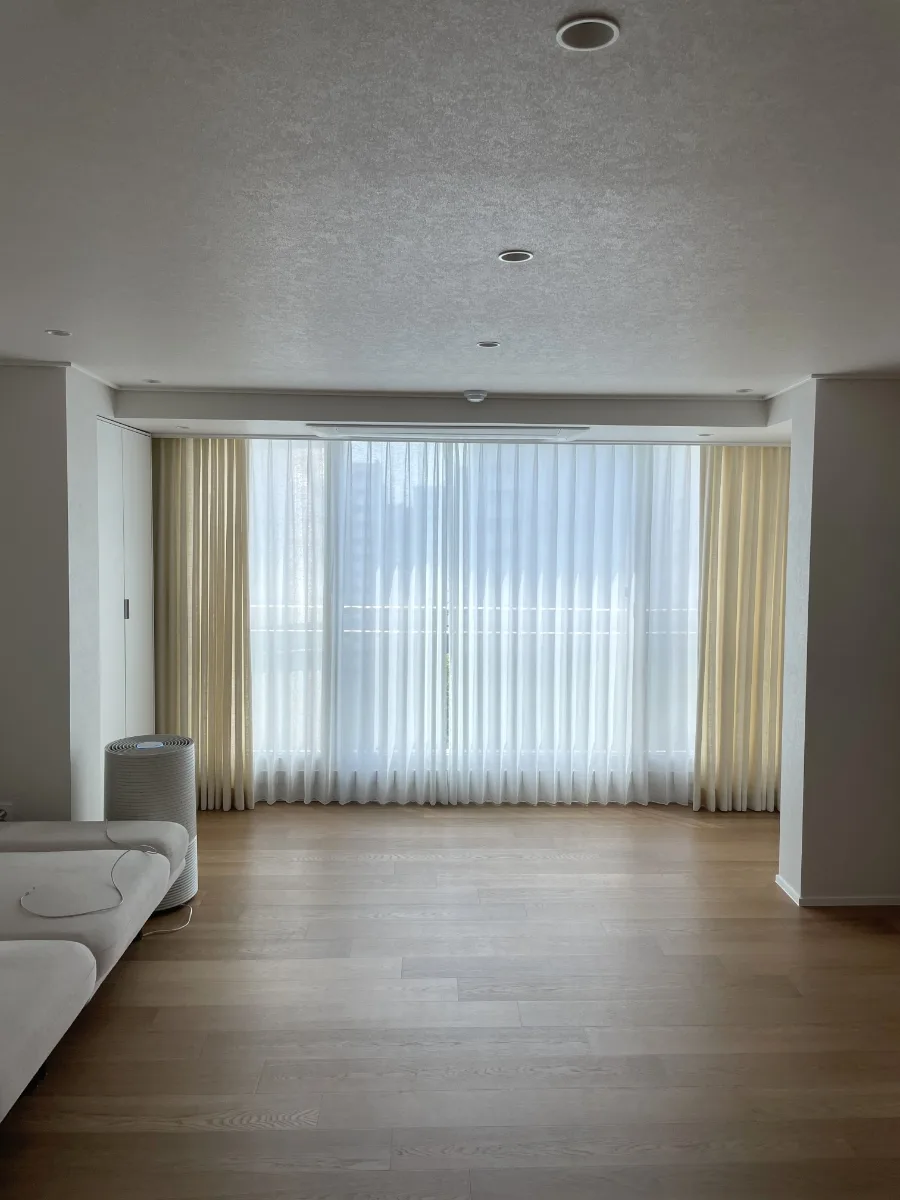
The Korean apartment aesthetic, often referred to as K-interior, emphasizes clean lines, minimalist design, and a sense of calm. Think of a style that blends the functionality of Japanese MUJI design with a touch of understated Korean elegance. This look prioritizes natural materials, a neutral color palette, and smart storage solutions to create a serene and organized living environment. Popular elements include light wood tones, matte finishes, and subtle pops of color. This approach is gaining traction in the US, with many seeking to replicate this harmonious and uncluttered feel in their own homes. Brands like IKEA, CB2, and West Elm offer pieces that align with this aesthetic, and Amazon provides a vast selection of affordable decor items to achieve the look.
How Can Interior Film Update Your Korean Home Decor?
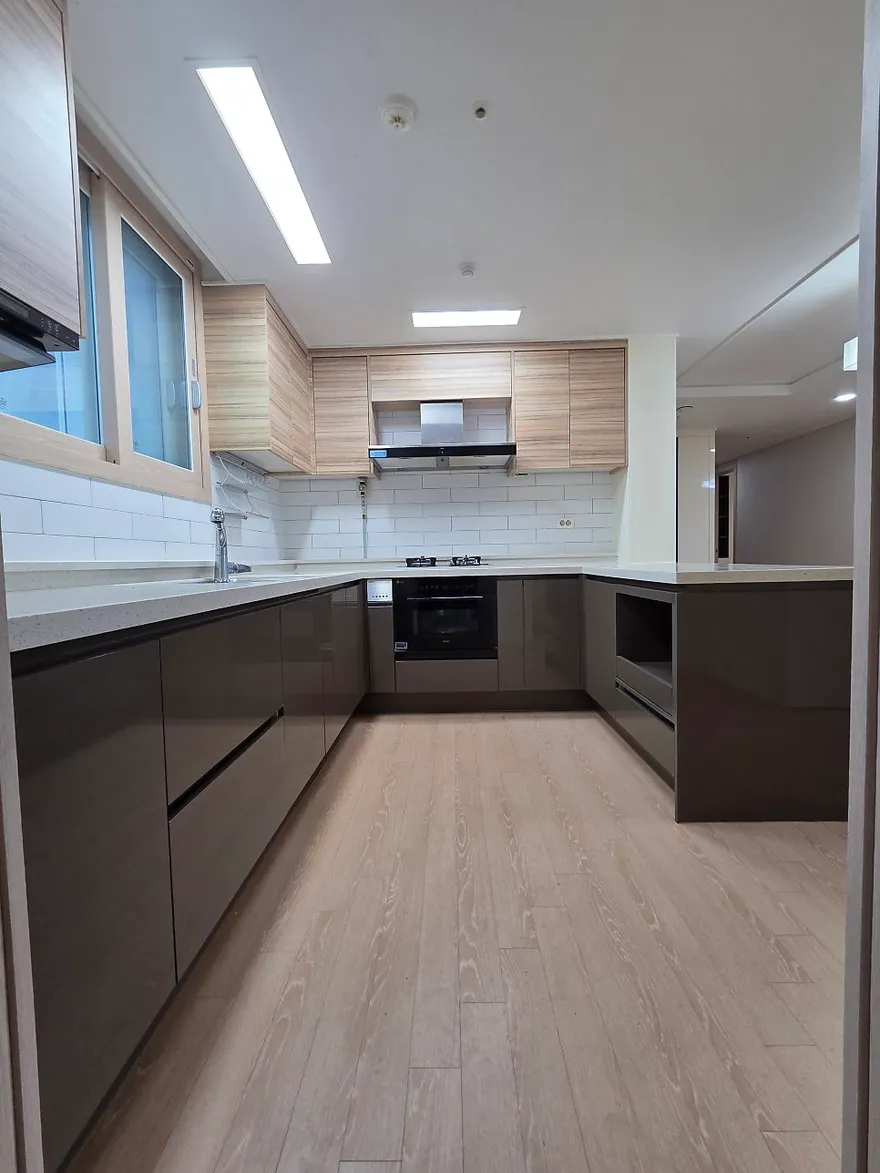
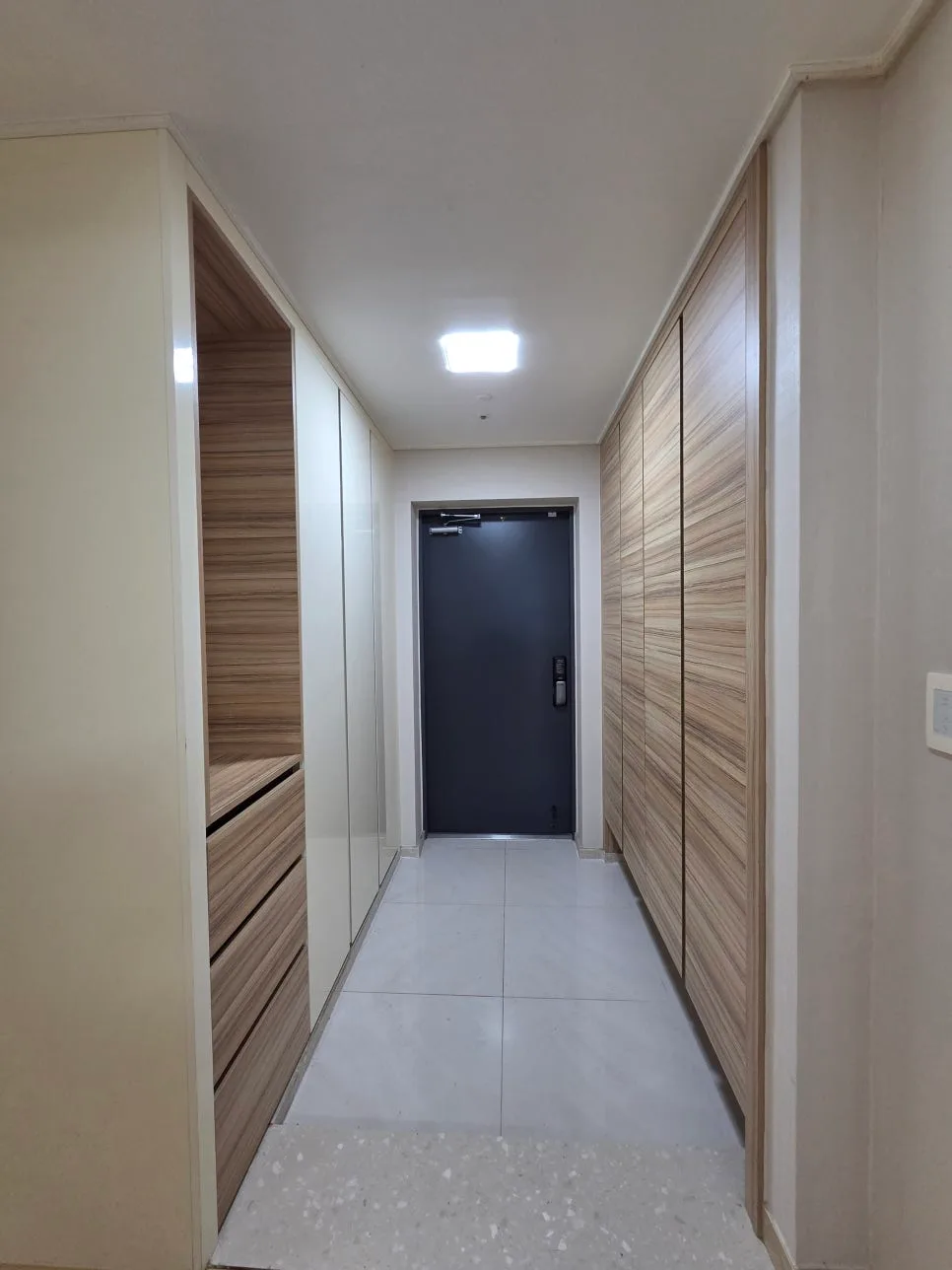
Interior film, also known as contact paper or adhesive vinyl, is a versatile material that can dramatically change the look of surfaces without a full renovation. In a Korean apartment style context, it's frequently used to update older cabinetry, doors, and built-in furniture. For instance, a dated entryway with dark wood shoe cabinets can be transformed with a crisp white or light wood-effect film, instantly brightening the space. Kitchen cabinets, often a focal point, can be given a modern makeover by applying a combination of matte white for upper cabinets and a warm wood tone for lower cabinets, creating a sophisticated two-tone look. Even built-in closets and storage units, which can easily show wear and tear, can be revitalized with textured films that mimic natural materials, giving them a brand-new appearance. This method is significantly faster and more affordable than replacing the actual furniture or cabinetry.
What Are the Benefits of Korean Interior Film Upgrades?
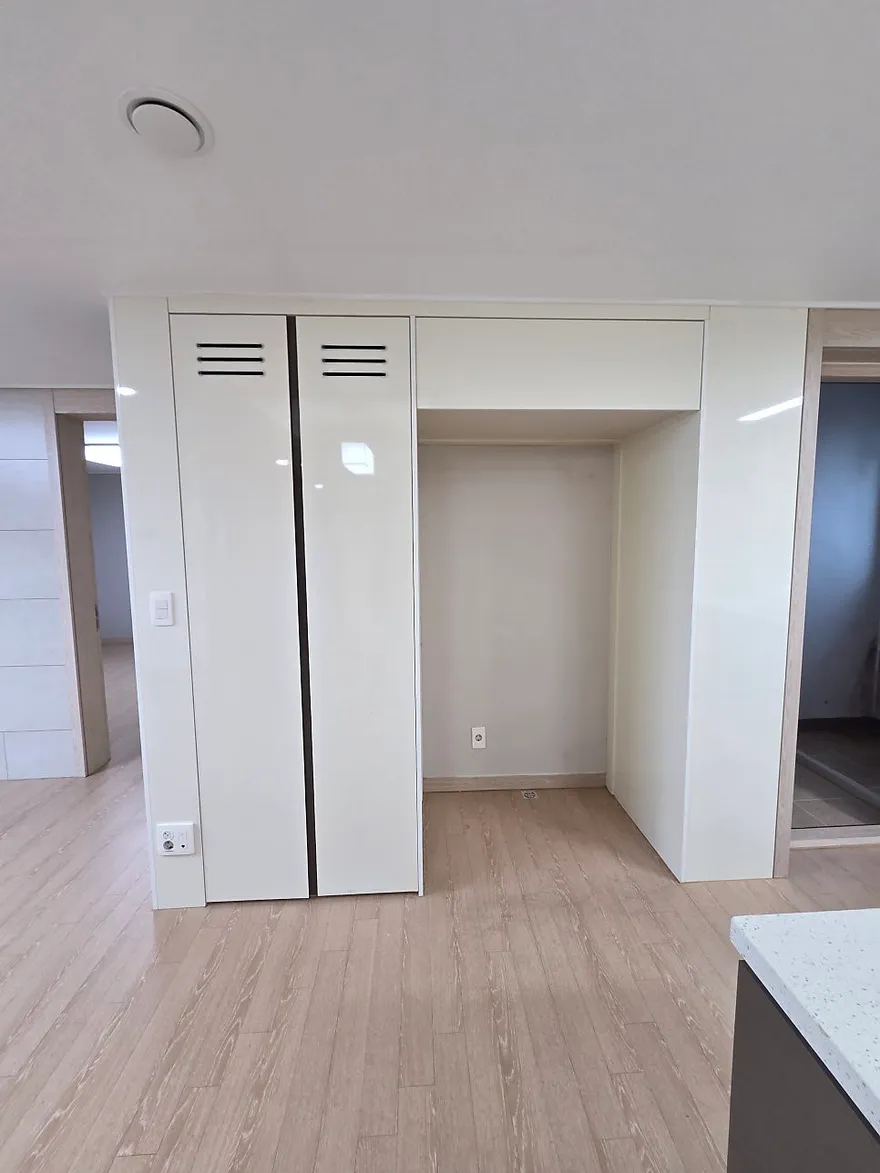
The primary advantage of using interior film for your K-interior project is the balance between cost and impact. Compared to traditional renovation methods like painting or replacing cabinets, applying interior film is a much quicker process, often completed within a day or two, minimizing disruption to your daily life. The cost is also considerably lower, making it an accessible option for renters or those on a budget. This allows for frequent updates to keep your home aligned with current trends, such as the popular matte finishes and natural textures seen in Korean minimalism. Furthermore, interior film can be applied to a wide variety of surfaces, including wood, metal, and laminate, offering immense flexibility. The result is a refreshed, modern living space that feels brand new, significantly boosting home satisfaction without a hefty price tag.
Are There Specific Korean Interior Film Design Trends?
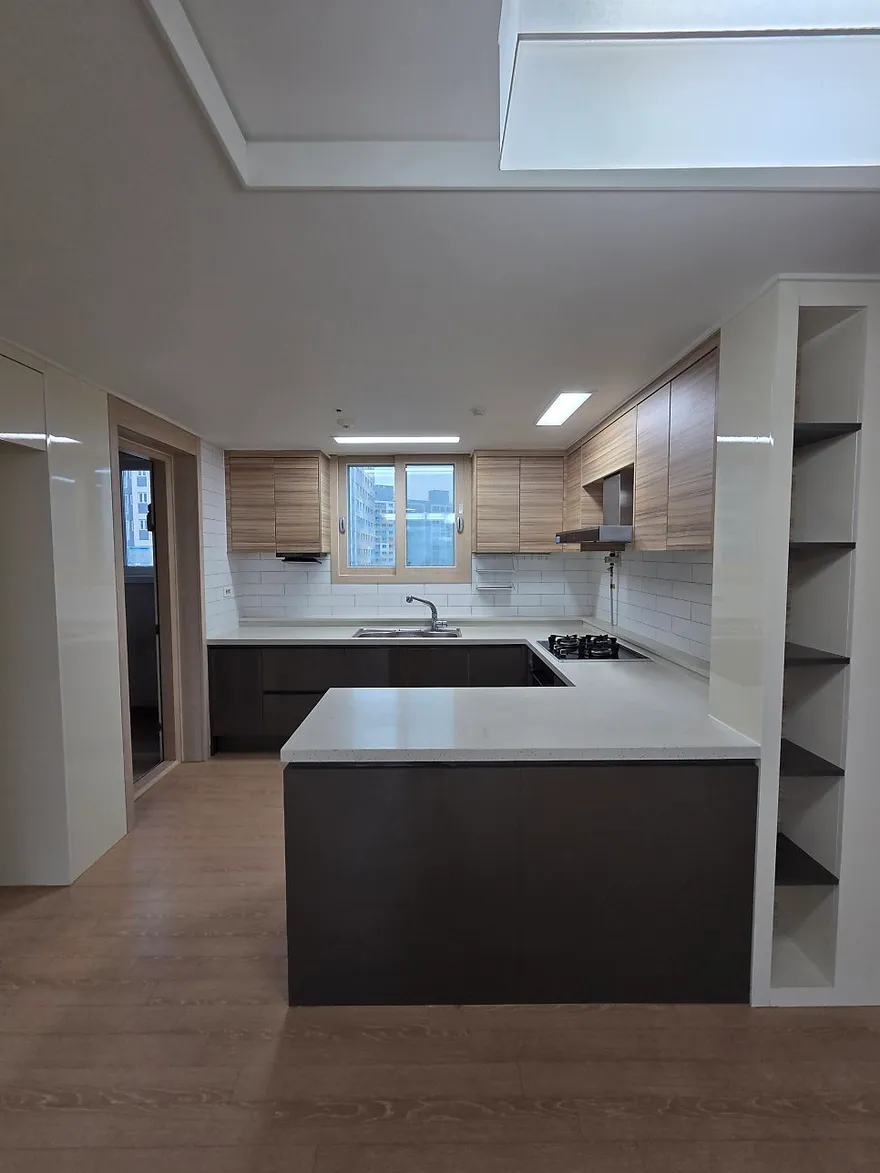
Current Korean interior film trends lean towards natural textures and calming color palettes. Matte finishes are highly sought after, moving away from the glossy, high-maintenance surfaces of the past. Popular choices include films that mimic light-colored woods like oak or ash, bringing a sense of warmth and organic beauty into the home. Another trending option is a soft, neutral palette, incorporating shades of off-white, beige, and muted grays. These colors create a serene backdrop and enhance the feeling of spaciousness, crucial for smaller apartments. For kitchens, a popular combination involves using a clean white or light gray for upper cabinets and a complementary wood grain or a subtle muted color for lower cabinets. This two-tone approach adds visual interest and depth. Even textured films, such as those with a subtle fabric or concrete effect, are being used to add a unique tactile dimension to furniture and accent walls, contributing to the sophisticated Korean apartment style.
For more details, check the original source below.