Discover the latest Korean interior design trends for 30-pyong (approx. 1000 sq ft) apartments, focusing on how 3D visualization can maximize space and achieve a modern aesthetic. This 2026 guide highlights the popular white and wood concept, offering expert tips for creating a harmonious and functional living space.
Why 3D Design is Essential for 30-Pyong Apartment Renovations
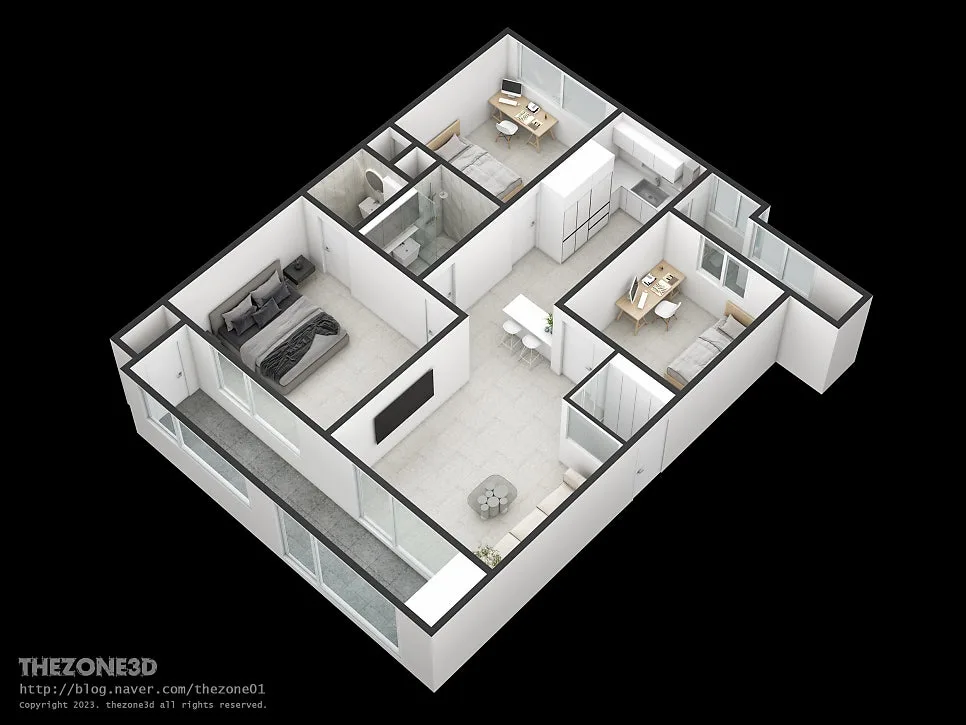
Investing in 3D architectural visualization before starting your interior renovation is a smart move that saves both time and money. For apartments around 30-pyong (roughly 1000 sq ft), like those in the Gwangmyeong Samik complex, precise planning is key. 3D renderings allow you to visualize structural changes, such as adding partitions or installing a new entryway door, and experiment with the popular white and wood color palette before any physical work begins. Tools like AutoCAD, 3D Max, and V-Ray, combined with Photoshop for realistic textures and lighting, enable designers to create detailed visualizations. This process lets you compare various material finishes and design concepts, ensuring you achieve the desired ambiance and functionality for your space. Seeing different design options visually can dramatically alter the perceived atmosphere of the same room.
The 2026 Trend: White & Wood Korean Apartment Aesthetic
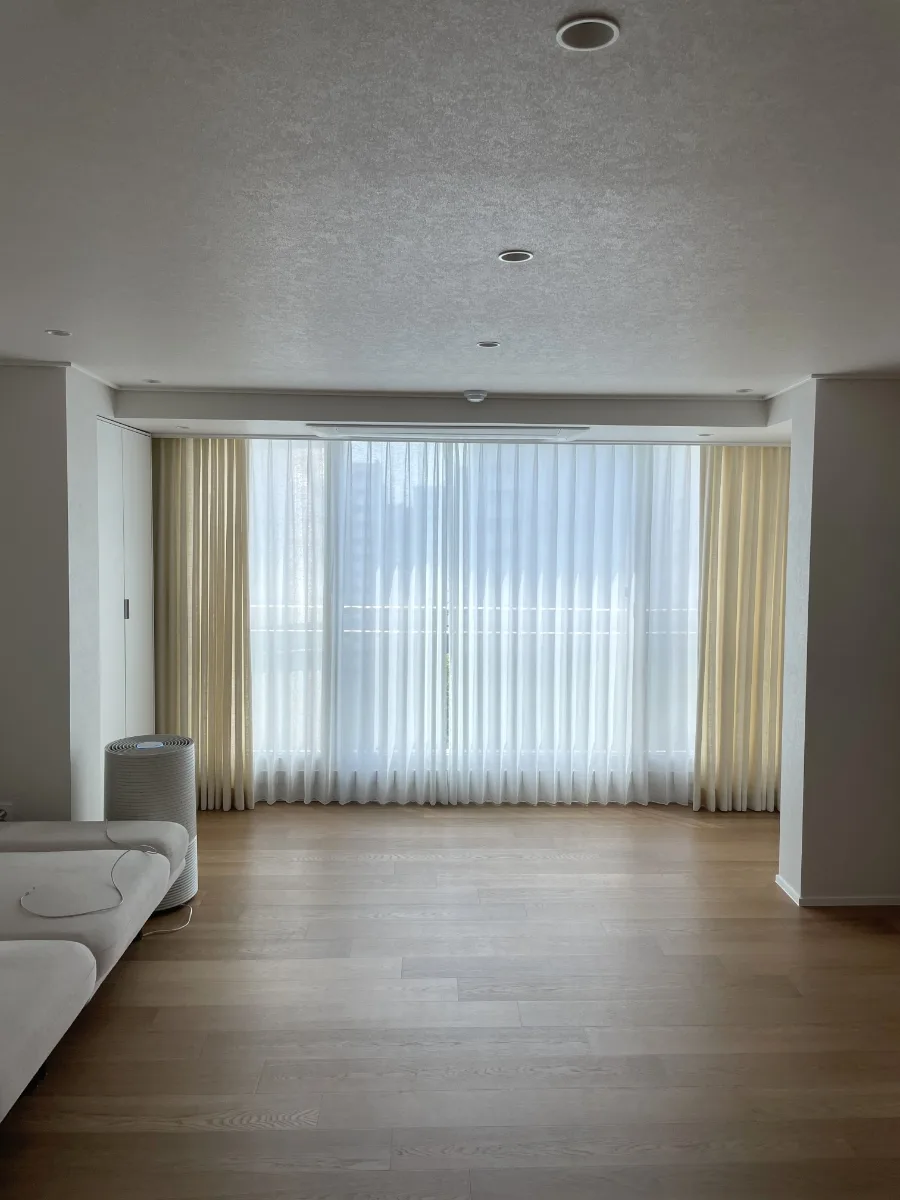
The leading interior design trend for 30-pyong apartments in 2026 embraces a clean, bright aesthetic with the strategic use of wood accents. This approach typically uses white as the primary color to enhance the sense of space and light, complemented by warm wood tones for a cozy, inviting feel. In apartment layouts like those found in Gwangmyeong Samik, designers often incorporate partitions and modern entryway doors to artfully divide spaces while maintaining an open flow. The visualizations showcase how different wood finishes—from light, airy tones to deeper, richer hues—can be paired with white walls and cabinetry to create distinct moods. This minimalist yet warm style is expected to remain highly popular, offering a timeless appeal that resonates with modern homeowners seeking both style and comfort.
How 3D Interior Design Visualization Works
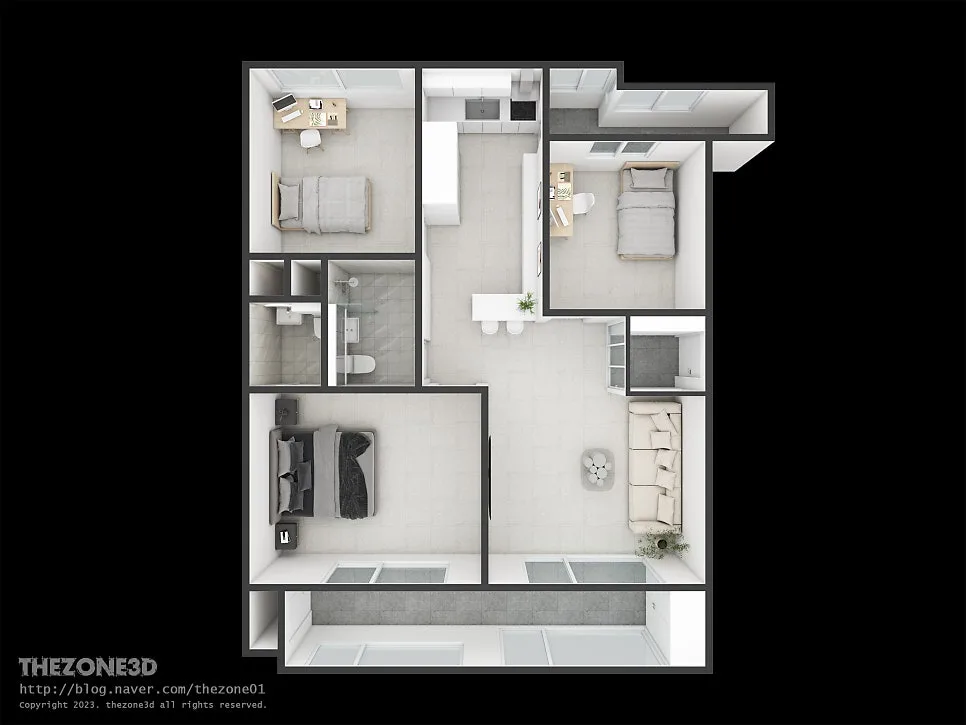
The 3D design process begins with understanding the client's vision and requirements. Using basic floor plans, designers create a detailed 3D model, incorporating furniture layouts, structural elements, and window placements. Advanced rendering software like 3D Max and V-Ray are then employed to apply realistic textures, lighting, and shadows, generating photorealistic images. For a 30-pyong apartment, like the Gwangmyeong Samik example, creating multiple visualizations with different material palettes allows clients to visually compare options. This detailed preview helps in making informed decisions about finishes and overall design direction, facilitating smoother communication with contractors and ensuring the final result aligns with expectations. The high-resolution output serves as a clear blueprint for the renovation team.
Protecting Your Design: The Risks of Copyright Infringement
Unauthorized use and reproduction of interior design visuals, especially professional 3D renderings, can lead to significant legal consequences. These designs represent the creative work and intellectual property of the designer. The 3D visualizations for the Gwangmyeong Samik 30-pyong apartment, for instance, are protected under copyright law. Copying, distributing, or modifying these images for commercial or non-commercial purposes without explicit permission from the creator is strictly prohibited and can result in both civil and criminal penalties. It is crucial to obtain proper authorization from the design firm or artist before using any design elements or images for your own projects to avoid legal disputes and uphold intellectual property rights.
English crawl path
Next English reads from this pilot cluster
Continue through the category hub, latest English stories, and related posts so this translated article is not an isolated URL.
Tags
💬Frequently Asked Questions
What should I check first in Korean Apartment Style: 3D Design for 30-Pyong Homes (2026)?
Does this Home & Interior article link back to the Korean source?
Where can I find similar English stories?
English discovery path
Explore more English K-culture stories
Keep browsing the indexed English pilot cluster so Google and readers can move between this story, the category hub, and fresh discovery pages.
Original Source
Read the Korean original